
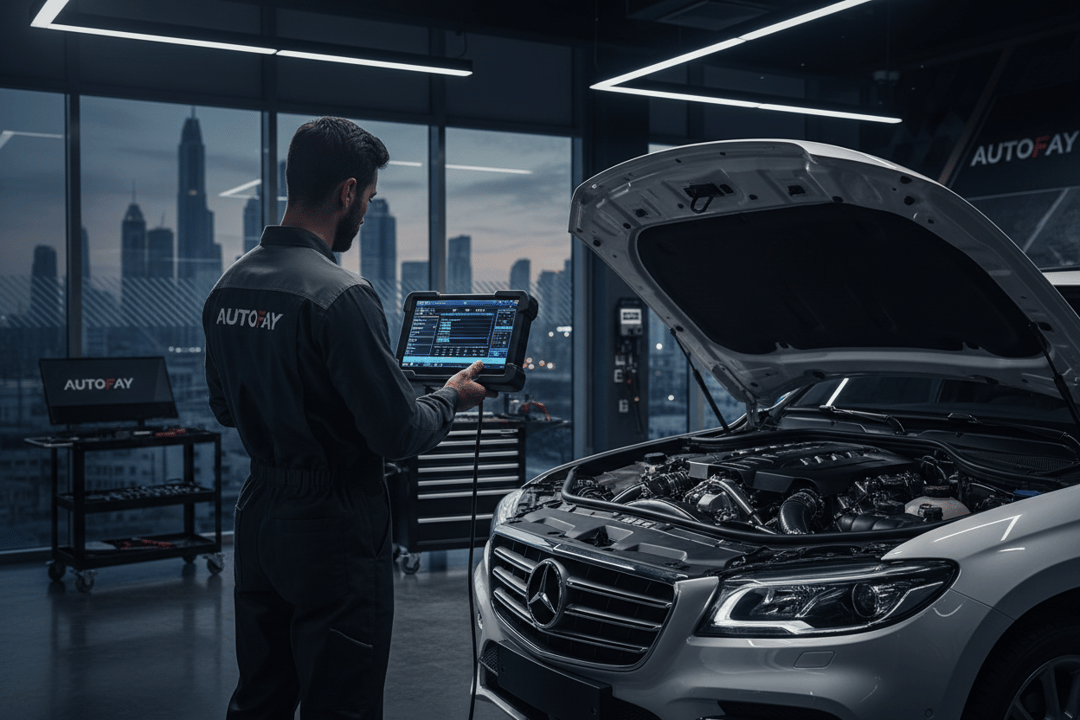
Acquiring a vehicle with over 200,000 kilometers on the odometer represents a significant shift in ownership philosophy. The vehicle is no longer a new product but a used asset that has endured substantial mechanical stress. At this mileage, the focus must shift from aesthetic appeal to functional reliability and remaining lifespan. A standard walk-around inspection is insufficient; a rigorous technical evaluation is mandatory to identify latent failures that are not yet visible to the naked eye.
The Powertrain: Engine and Transmission Health
The engine and transmission are the primary components that define a vehicle's longevity. at higher mileage, these units have likely exceeded their original manufacturer's warranty period, making the condition of internal lubricants and seals critical.
Oil Consumption and Leaks
Engine oil consumption often increases significantly at higher mileage. An inspection must determine if oil is being burned or if it is merely leaking. Persistent oil leaks on the ground suggest compromised valve cover gaskets, oil pan seals, or rear main seals. Allowing an engine to run low on oil leads to catastrophic bearing failure, which renders the engine irreparable.
Transmission behavior offers equally vital insights. Modern automatic transmissions rely on precise hydraulic control. If the vehicle exhibits hesitation during acceleration or jerky shifts between gears, the transmission fluid may be contaminated, or the valve body may be failing. Manual transmissions often show signs of wear through difficulty shifting into specific gears or a grinding noise during engagement.
Suspension and Steering Integrity
The suspension system absorbs road imperfections and maintains tire contact with the pavement. Over higher mileage, bushes, mounts, and joints fatigue and degrade.
Shock Absorbers and Struts
Shock absorbers are hydraulic devices designed to dampen spring oscillation. Once they fail, the vehicle will bounce excessively over bumps, altering the driver's control and putting undue stress on the chassis. A quick test involves pushing down hard on each corner of the vehicle; if the car continues to bounce after release, the dampers require replacement immediately.
Steering Components
Ball joints, tie rods, and control arm bushings connect the steering system to the wheels. Worn ball joints create a clunking noise over bumps and can eventually lead to separation, causing the wheel to detach from the steering rack. Identifying play in the steering wheel is a crucial diagnostic step, as it indicates worn tie rod ends or a loose rack.
Braking System Degradation
Braking systems work hardest when a vehicle is carrying its full weight at highway speeds. At high mileage, the materials within the braking system degrade due to friction, heat, and moisture.
Pads, Rotors, and Calipers
Brake pads thin out over time, eventually reaching the metal backing, which grinds against the rotor and causes scoring. This increases stopping distance and requires the replacement of both pads and rotors. Additionally, calipers can seize, causing the brake pad to remain pressed against the rotor even when the pedal is released. This leads to "brake drag," which overheats the wheel hub and ruins the tire.
Brake Fluid Hygroscopicity
Brake fluid absorbs moisture over time, reducing its boiling point. Moisture contamination causes internal corrosion in the ABS module and reduces braking efficiency. at higher mileage, the brake fluid should be flushed regardless of its visual appearance, as clear fluid can still contain dangerous levels of water.
Structural Integrity and Body Condition
In the United Arab Emirates, road salt and humidity accelerate corrosion. A vehicle with high mileage is a prime candidate for rust, which compromises structural safety.
Rust and Frame Damage
Inspectors must check the floor pans, wheel arches, and the "A-pillars" (the pillars supporting the windshield). Rust on the frame rails indicates accident damage or poor maintenance. Even if the paint looks good, tapping the panels can reveal hollow spots caused by accident repairs or rust bubbles underneath.
Panel-by-panel inspection is necessary to determine the history of the vehicle. Original paint is rare at this mileage and serves as a key indicator of whether the car was maintained in a garage or subjected to harsh environmental conditions.
Electrical Systems and Fluids
Electrical systems age along with the mechanical components. Batteries lose their cold cranking amps over time, making starts difficult, especially in the morning.
Diagnostic Scanning
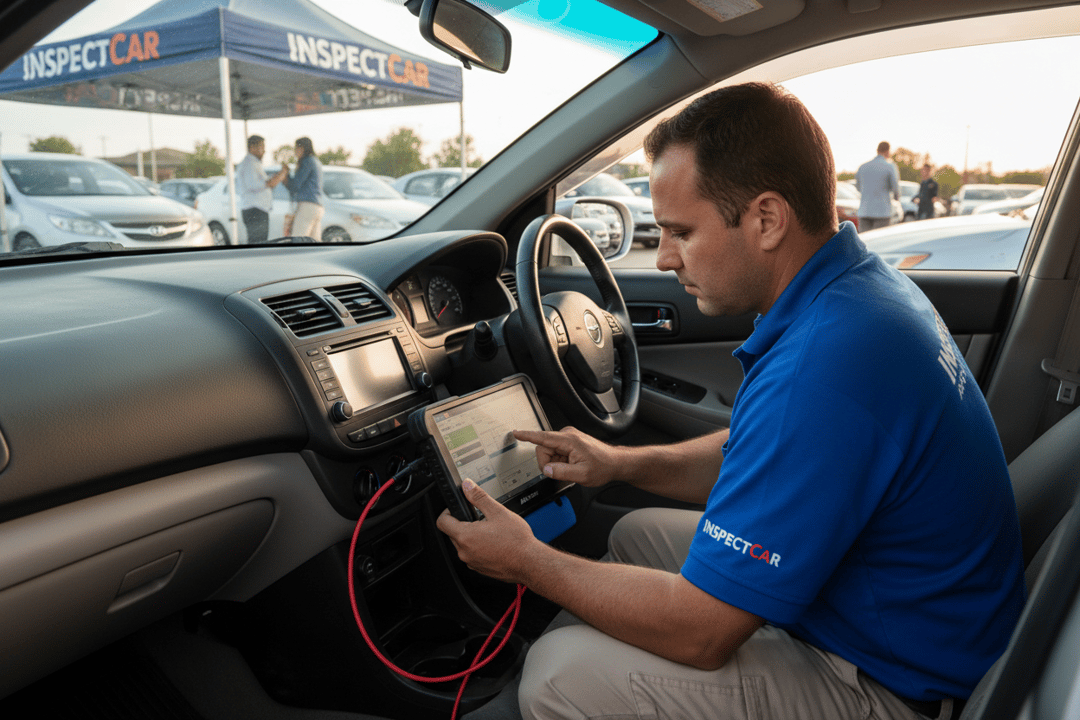
High mileage vehicles often generate "stored error codes" even if the Check Engine light is currently off. An On-Board Diagnostics (OBD) scan is essential to read the history of the vehicle’s computer. Codes relating to oxygen sensors, catalytic converters, or airbag systems provide a roadmap of the repairs the previous owner attempted or ignored.
Fluid Condition
All fluids—coolant, power steering, and differential fluid—should be inspected for color and consistency. Dark, gritty coolant indicates internal engine corrosion, while burnt-smelling power steering fluid suggests a failed pump or a leak across the front seals.
Choosing the Right Inspection Package
Given the complexity of a high-mileage vehicle, a basic visual inspection is often insufficient. Selecting the appropriate level of inspection is crucial for accurate valuation and safety assessment. The following table outlines the available packages offered by AutoFay, detailing their scope for used car buyers.
| Package | Price (AED) | Scope of Inspection |
|---|---|---|
| Computer Diagnostic | 99 | Engine, Transmission, ABS, Airbag, SRS, and ECU error codes. |
| Body & Computer | 250 | Panel-by-panel paint inspection, accident verification, and comprehensive computer scan. |
| Comprehensive | 399 | Full 410+ checkpoint inspection covering all above plus brakes, suspension, tires, frame integrity, and road test. |
For vehicles with over higher mileage, the Comprehensive AED 299 package is the most prudent investment. It covers Road Test performance, braking efficiency, suspension wear, and the critical frame checks necessary to ensure the car has not been structurally weakened by accidents or rust.
Do not rely on the seller's word or a quick glance. A professional inspection provides a documented history of the vehicle's condition. Understanding the specific wear points of high-mileage vehicles prevents unexpected repair bills and ensures the chosen asset remains reliable on UAE roads.
AutoFay inspects 410+ checkpoints with HD photos and PDF report. Book at autofay.ae or call +971542584458



0 Comments
No comments yet. Be the first to share your thoughts!