

Modern vehicles operate as complex electronic ecosystems rather than simple mechanical assemblies. The backbone of this system is the Controller Area Network, or CAN bus, which functions as the vehicle's nervous system. This network allows the Engine Control Module (ECM), Transmission Control Module (TCM), Body Control Module (BCM), and numerous other sensors to communicate bidirectionally in real time. When this communication breaks down, the vehicle often enters a state of paralysis or unpredictable behavior. OBD U0 codes are the diagnostic language used to identify these specific failures in the network communication layer.
The Anatomy of Modern Vehicle Communication
The CAN bus is a multiplexed wiring system designed to reduce the hundreds of individual wires traditionally found in a vehicle. Instead of each sensor running a direct wire to the computer, the data is transmitted over high-speed or low-speed data buses. When a sensor detects a change, it sends a digital signal to the network. Other modules receive this signal to adjust engine timing, adjust braking pressure, or activate lights. A U0 code indicates that the scanner used to read the car cannot establish a link with the primary control units, signaling a breakdown in this critical data highway.
Understanding the hierarchy of these modules is essential for diagnosing U0 errors. The Engine Control Module usually acts as the primary communication center, while the Body Control Module manages comfort features like windows and locks. If the ECM cannot "speak" to the BCM, you may experience a situation where the key fob works, but the doors do not unlock. This illustrates that a U0 code rarely affects just one system; instead, it compromises the overall integration of the vehicle's electronics.
Decoding U0 Network Codes
U0 codes are categorized as "Network Communication" or "System Level" codes, distinguishing them from specific component faults like misfires or oxygen sensor failures. While a P0300 code tells you there is a misfire, a U0100 code tells you the computer cannot talk to the transmission module. This distinction is vital because it shifts the diagnostic focus from the component itself to the electrical path and the software handshake between modules. In technical terms, U0 codes often point to a loss of "Bidirectional Data Link" capability.
There are several specific variations within the U0 family, such as U0100 (Lost Communication With ECM/PCM 'A') or U0101 (Lost Communication With TCM). Regardless of the specific alpha-numeric suffix, the underlying issue remains the same: the vehicle's central processing units are isolated from one another. This isolation prevents the modules from sharing critical data required for safe operation, such as throttle position syncing with the transmission, or brake pressure data syncing with the anti-lock braking system.
Symptoms of CAN Bus Communication Failure
Drivers and inspectors often notice symptoms that seem unrelated before the "Check Engine" or "Service Vehicle Soon" light illuminates. The most immediate indicator is often the failure of the vehicle to start, even if the battery is fully charged. This occurs because the ignition sequence relies on the BCM communicating with the fuel pump and ignition coils. Without this communication, the fuel injectors remain inactive, and the engine cranks but does not fire.
- Dashboard Malfunctions: Warning lights for the ABS, traction control, or airbag systems may illuminate intermittently. These systems usually rely on the CAN bus to receive wheel speed data from the ABS sensors.
- Infotainment Freezing: The central screen may freeze, reboot, or fail to display navigation data. The head unit often communicates with the navigation module via the CAN bus, so a break in communication disrupts the entire dashboard interface.
- Non-Responsive Features: Power windows, mirrors, and seats may stop responding to switches. The Body Control Module coordinates these inputs, and if it is offline, manual overrides often fail.
- Erratic Shifting: The transmission may shift roughly or hang in gear. The TCM requires constant input from the ECM regarding engine load and speed to determine the optimal shift point.
Potential Causes of U0 Errors
Diagnosing the root of a network failure requires isolating the issue from the symptom. In the UAE climate, where high temperatures and humidity are prevalent, certain causes are statistically more probable than others. The most common culprit is corrosion or looseness at the electrical connectors. Over time, the delicate pins inside the Data Link Connector (DLC) can oxidize due to exposure to dust and salt, preventing a secure electrical connection.
Another frequent cause involves damaged wiring or short circuits in the harness. The wires that carry the CAN bus data are often bundled with power and ground wires in the same protective sleeve. If the insulation wears down, a short to ground can create a voltage spike that confuses the receiving modules. This often results in a "Module Timeout," where a specific unit fails to respond within the standard time window, triggering the U0 code.
Software corruption is also a valid cause. The onboard computers run complex routines that can become unstable if a power surge occurs during driving, such as when starting the engine with high electrical load. In some cases, a specific module may have failed physically, requiring replacement. However, simply replacing a module often leaves the U0 code active unless the replacement is programmed with the correct vehicle software and pin configurations.
The Inspection Process for Network Failures
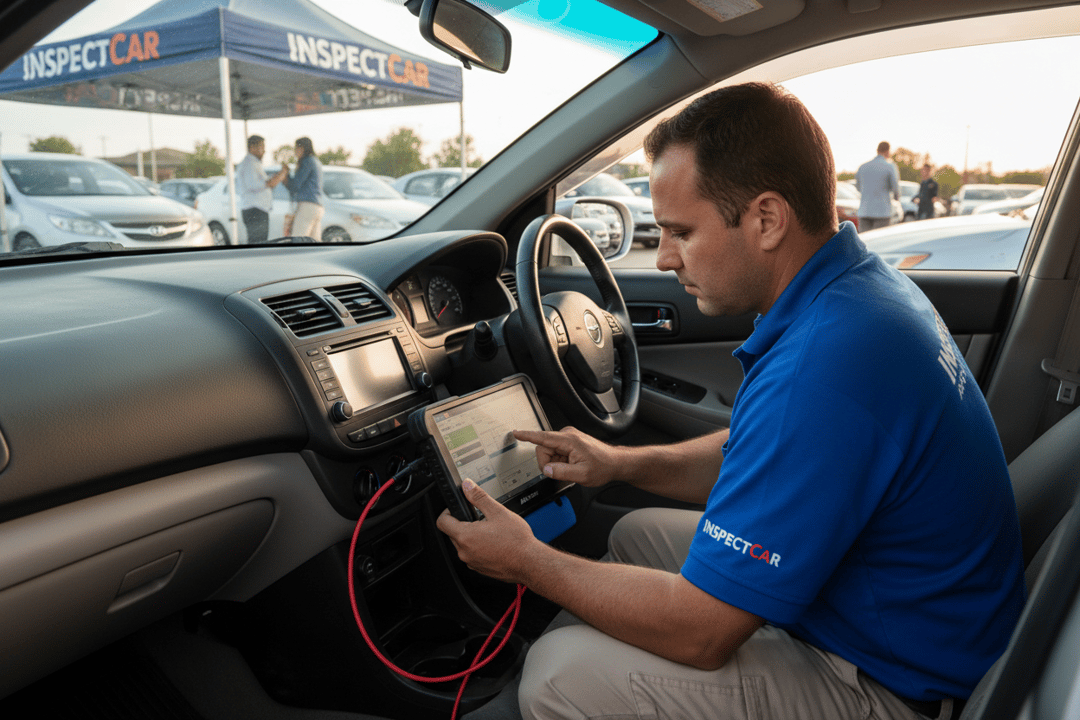
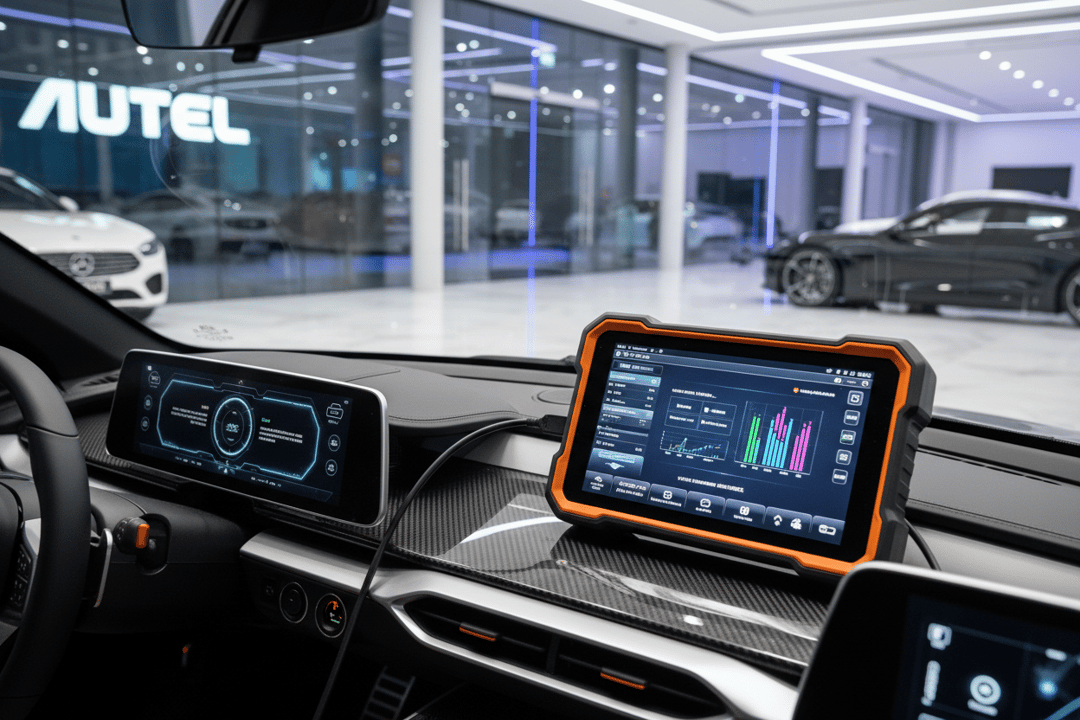
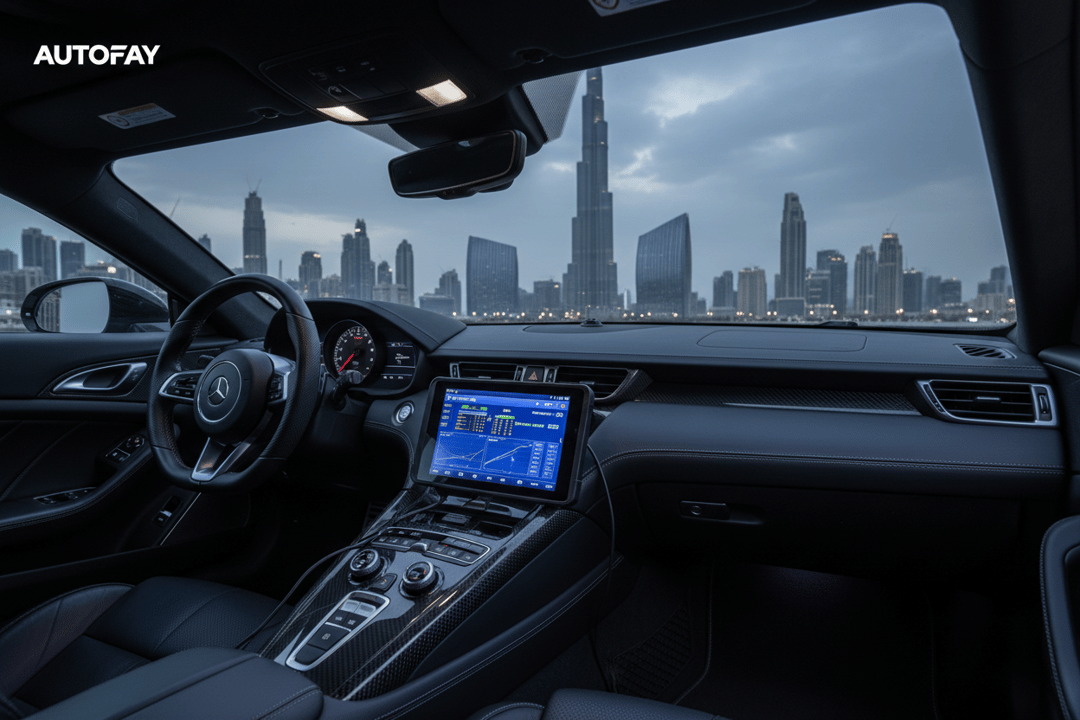
Professional inspection services utilize specialized diagnostic tools that go beyond standard automotive repair scanners. These tools can simulate signals and test the bidirectional communication capability of each module. A comprehensive inspection package is necessary to isolate whether the fault lies in the network, the specific module, or the wiring harness. At AutoFay, we utilize a on-location inspection model that allows us to scan vehicles at the buyer’s location or dealership, ensuring the car is inspected in a controlled environment.
The diagnostic process begins with a visual inspection of the Data Link Connector located under the dashboard. Technicians check for bent pins, corrosion, or physical damage. If the connection appears healthy, the scanner performs a "scan" of the entire network to identify exactly which modules are offline. This data is crucial for determining the severity of the fault. A U0 code affecting only the infotainment system is less critical than a code affecting the engine or transmission communication.
For buyers seeking a detailed assessment, the Computer Diagnostic package at AED 99 provides the initial scan and code retrieval. However, to fully understand the impact of these network failures on the vehicle's operation, a more extensive inspection is recommended. The Body & Computer package at AED 250 integrates a thorough physical inspection with the digital diagnostic, checking for water damage to modules and wiring issues that might have caused the network failure.
For the highest level of verification, the Comprehensive package at AED 299 covers 410+ checkpoints across 25 categories. This includes the OBD scan, but expands to frame integrity, engine sound, transmission shifting, and road testing. This is essential because a vehicle may display a U0 code but still drive normally if the backup software in the modules compensates for the communication loss. Only a road test can confirm that the vehicle is safe to drive despite the electronic fault.
Risks of Ignoring Communication Errors
Driving a vehicle with active U0 network codes poses significant safety risks that extend beyond mere inconvenience. The vehicle may enter "Limp Mode," where the computer restricts engine power and RPM to prevent damage. In this state, acceleration is severely limited, making merging onto highways dangerous. Furthermore, safety-critical systems like airbags and ABS rely on the network to verify that the sensors are functioning correctly. If the network is down, the airbag system may disable itself entirely, leaving the occupants vulnerable in a collision.
There are also long-term consequences for the vehicle's electrical components. When modules are forced to operate in a "noisy" electrical environment due to a communication fault, they can suffer premature wear. The constant voltage fluctuations can degrade the capacitors and circuitry within the Control Modules, turning a simple wiring repair into a costly multiple-module replacement scenario. Ignoring the U0 code often accelerates the degradation of the vehicle's entire electronic architecture.
| Diagnostic Insight | Impact on Vehicle |
|---|---|
| U0100 (ECM Comm Loss) | Vehicle may fail to start or run in Limp Mode. Engine performance is restricted. |
| U0121 (Telematics Comm Loss) | GPS tracking may stop working. Emergency assistance features may be disabled. |
| U0125 (Trans Comm Loss) | Transmission may fail to shift gears automatically. Manual shifting may be required. |
Determining the severity of these faults requires a careful, professional evaluation. A U0 code regarding the audio system is manageable, but a code affecting the brakes or engine is a critical safety concern. Buyers must understand that a vehicle with unresolved network codes may fail future MOT inspections or be deemed unsafe for resale. Understanding the full scope of these electrical faults prevents

0 Comments
No comments yet. Be the first to share your thoughts!