

The 2015 to 2017 model year range represents a critical period for vehicles sold in the UAE. These cars have transitioned beyond the "new car" glow and are now susceptible to the harsh realities of desert climate exposure. For buyers, this era presents a unique challenge: the gap between modern technology and emerging wear and tear. A vehicle in this category should possess the latest connectivity standards, yet it often begins to show the first signs of mechanical fatigue. Understanding what to look for separates a reliable asset from a potential liability.
Verifying Digital Cockpits and Connectivity
One of the primary selling points of 2015-2017 models is the integration of smartphones, often via Android Auto or Apple CarPlay. These systems rely heavily on software stability and USB connectivity. A common issue in this age group is the degradation of the factory head unit's interface, leading to freezing or unresponsiveness. Before purchase, verify that the touchscreens respond accurately and that mapping applications connect consistently without requiring a restart. Weak Bluetooth pairing is another indicator of software corrosion that may require expensive head unit replacement.
Advanced Driver Assistance Systems (ADAS) became standard during this period, including lane departure warnings and blind-spot monitoring. These systems utilize cameras and ultrasonic sensors located near the rear bumper and side mirrors. Dust and accumulated grime in the UAE environment frequently clog these sensors, causing false alarms or complete system failure. An inspector must verify that these cameras provide clear, distortion-free images on the dashboard display and that sensors react correctly when a vehicle approaches in an adjacent lane.
Diagnosing Climate Control Systems
The extreme ambient temperatures in the Emirates place immense stress on HVAC systems. By the age of three to five years, refrigerant leaks become a significant concern. A professional check should involve measuring the system's cooling performance and checking for oily residue around the compressor, which indicates a seal failure. If the AC fails to reach lower temperatures rapidly, the condenser may be clogged with debris, or the expansion valve could be malfunctioning, both expensive repairs.
Beyond the compressor, the cabin air quality system often suffers. The evaporator cores, hidden behind the dashboard, are prone to mold and bacterial growth if the air recirculation system fails or if water leaks from the sunroof drains into the dashboard. A musty odor upon startup suggests this issue. Ignoring a weak ventilation system not only affects comfort but can also lead to respiratory issues for occupants.
Common Age-Related Mechanical Issues
Modern engines from this era utilize direct injection and turbocharging to maximize efficiency. However, this technology can lead to carbon buildup on intake valves, which occurs faster in older vehicles. Symptoms include rough idling, hesitation during acceleration, and increased fuel consumption. While chemical cleaning can resolve this, it is an expense the buyer must anticipate. Checking the engine oil condition is vital, as turbocharged engines in this age group may consume more oil than older naturally aspirated counterparts.
The electrical harnesses in 2015-2017 vehicles are becoming susceptible to wire degradation due to heat cycling near the engine bay. Fuses related to the power windows, horn, or infotainment systems often fail prematurely. A thorough inspection must include testing these components to ensure no hidden wiring faults are present. Ignoring a fault in the electrical system can escalate from a minor inconvenience to a safety hazard in the event of a short circuit.
Structural Integrity and Underbody Assessment
Three to five years of driving on UAE roads exposes the undercarriage to corrosion, particularly if the vehicle was used in coastal areas. The road salt used for de-icing in northern climates will corrode the chassis rails, floor pans, and suspension components. A visual inspection from underneath is insufficient; a experienced inspector must assess the structural integrity of the frame rails. Even minor damage to the pillars or floor pan can compromise the safety rating of the vehicle in the event of a collision.
Paintwork from this era often begins to fade under the relentless sun. The clear coat may become brittle and chalky. During inspection, look for mismatched repaints. Repainted panels often indicate previous accidents, which may have compromised the structural alignment of the doors or hood. A panel-by-panel inspection is necessary to determine if the vehicle has undergone accident repairs that were not disclosed to the previous owner.
The Diagnostic Imperative: Why a Professional Scan is Non-Negotiable
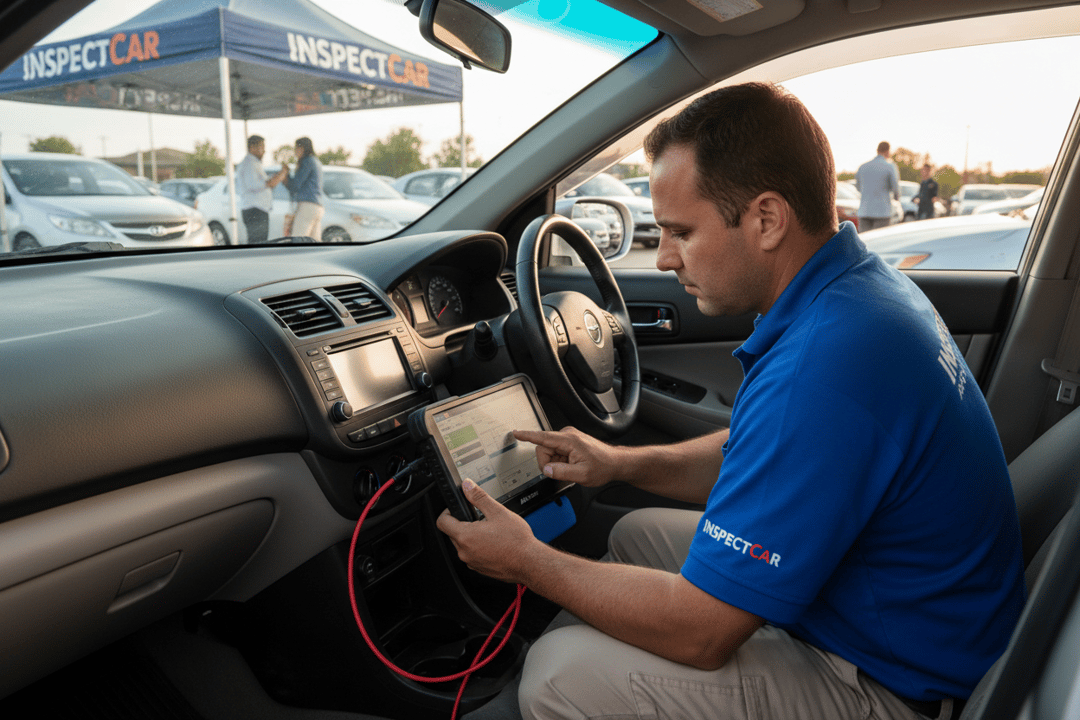
Many owners of 2015-2017 vehicles rely on the dashboard warning lights to alert them to issues. However, modern cars possess sophisticated onboard diagnostics (OBD) that can detect faults before they trigger a light. A basic visual check cannot identify transmission solenoid failures, sensor drift, or software glitches. Relying solely on a road test is insufficient because many intermittent electronic faults only manifest when specific temperature thresholds are reached.
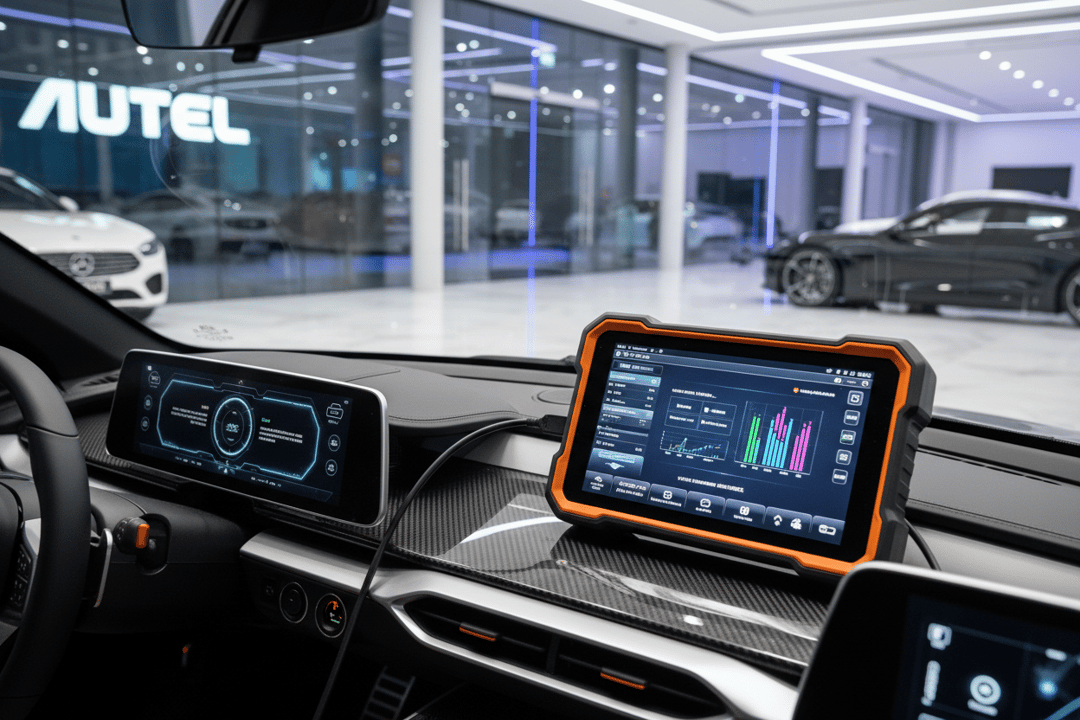
A computer diagnostic scan retrieves real-time data from the Engine Control Unit (ECU), Transmission Control Unit (TCU), ABS module, and Airbag module. It checks for stored fault codes that indicate pending issues. Skipping this step risks purchasing a vehicle with a looming transmission failure or a history of airbag deployment that could affect insurance premiums. A professional scanner provides the raw data needed to understand the true mechanical health of the car.
AutoFay Inspection Packages for 2015-2017 Models
Given the complexity of these vehicles, a standardized visual check is often insufficient. Professional inspection services provide a systematic approach to verify the vehicle’s condition. A straightforward check of the Body and Computer systems is often the minimum requirement for a vehicle of this age. This ensures that the exterior is free from major structural damage and that the onboard electronics are communicating correctly.
For a more comprehensive evaluation of the vehicle’s health, a full inspection covers multiple categories simultaneously. Inspecting a car across 25 different categories ensures that no attribute is overlooked. This level of detail is crucial for high-value transactions where the potential cost of hidden defects outweighs the price of the inspection itself.
| Inspection Package | Core Focus | Why It Matters for 2015-2017 Cars |
|---|---|---|
| Computer Diagnostic AED 99 | OBD Scan & Engine Codes | Detects hidden electronic faults in sensors and modules before they cause failure. |
| Body & Computer AED 250 | Panel-by-Panel Paint Check + Diagnostics | Verifies accident history through paint thickness and checks for electrical gremlins. |
| Comprehensive AED 299 | Full 25-Category On-Location Inspection | Checks Frame, Suspension, Brakes, Tires, and Fluids in a single visit (all 7 Emirates). |
Warranty Considerations and Depreciation
Purchasing a 2015-2017 vehicle often means the manufacturer's warranty has expired. While the "Baladi" warranty offered by many dealers in the UAE provides a safety net, it typically covers only mechanical breakdowns and excludes wear and tear items like brakes and tires. This leaves the buyer vulnerable to expensive component failures. Understanding the terms of any remaining warranty is critical before signing the sale agreement.
Depreciation for this model year is significant, yet the vehicle still requires maintenance to retain value. Routine fluid changes, brake pad replacement, and tire rotation are essential to keep the car running reliably. Neglecting these maintenance items will accelerate the vehicle's decline and reduce its resale potential in the future market.
AutoFay inspects 410+ checkpoints with HD photos and PDF report. Book at autofay.ae or call +971542584458


0 Comments
No comments yet. Be the first to share your thoughts!