


At 150,000 to 200,000 kilometers, a used vehicle enters a critical transitional phase. This mileage bracket represents a significant accumulation of stress on mechanical components, separating reliable transport from a potential money pit. While many vehicles in this range are still fully functional, the likelihood of component failure increases substantially. A rigorous verification process is essential to determine if the remaining lifespan justifies the purchase price.
The Engine and Transmission: The Inner Core
The internal combustion engine undergoes significant thermal and mechanical stress at this mileage. Consumers must verify that oil consumption falls within manufacturer tolerances; excessive burning of oil often indicates worn piston rings or valve seals. Varnish buildup on internal components can restrict flow and reduce efficiency, leading to overheating or premature bearing failure.
Transmission health is equally critical. Automatic transmissions may exhibit hesitation during shifts or delayed engagement, often caused by a deteriorating torque converter or worn clutch packs. Manual transmissions might reveal grinding gears or difficulty engaging specific gears due to synchromesh wear. A visual inspection under the hood should identify heavy oil sludge or coolant leaks, which point to compromised gaskets or seals.
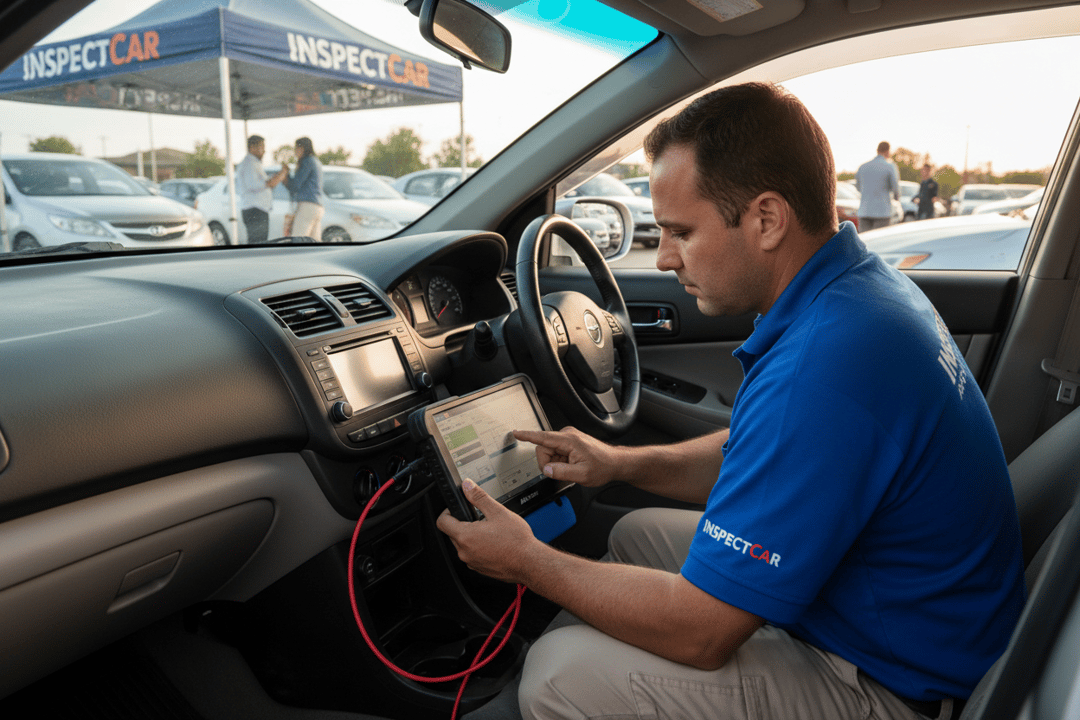
Engine mounts are another frequent point of failure at this stage. Worn mounts allow excessive engine movement, resulting in noticeable vibration transmitted to the cabin. An Computer Diagnostic scan is a prerequisite for this inspection tier, as it reveals error codes stored in the Engine, Transmission, ABS, and Airbag systems.
Suspension and Steering: The Feel
Suspension components rely on rubber bushings to isolate vibration and absorb road imperfections. At 150k+ km, these bushings typically dry out and crack, leading to clunking noises over bumps and a suspension that feels "loose." Worn shock absorbers or struts fail to dampen road impact, causing the vehicle to bounce excessively and reducing tire contact with the road surface.
Steering systems must be tested for play or stiffness. Excessive play in the steering wheel indicates wear in the tie-rod ends or a failing rack and pinion. This compromises the vehicle's ability to track straight and can lead to dangerous handling situations during emergency maneuvers. Inspectors should look for fluid leaks around the steering rack and check the condition of the ball joints and control arms.
Braking Systems and Tires: Safety Critical
Brake pads and rotors wear out predictably based on driving habits and maintenance history. At high mileage, brake lines can deteriorate internally, causing a slow bleed of brake fluid and reduced responsiveness even if the pads appear thick. A thorough inspection requires measuring the remaining pad thickness and checking the rotor surface for scoring or deep grooves that indicate improper braking.
Tire selection is vital for safety. Tires older than five years from their manufacturing date lose structural integrity, regardless of tread depth. Even new tread tires can suffer from dry rot and blowouts if the rubber compound has degraded due to age and heat exposure. Inspectors must verify the manufacturing date code stamped on the sidewall to ensure the tires are safe for highway driving.
Brake fluid degrades over time due to moisture absorption, lowering its boiling point and reducing braking performance. A brake fluid flush is usually recommended every two years to prevent internal corrosion within the brake calipers and ABS modules.
Chassis and Body Integrity: The Skeleton
Structural integrity is often compromised by accident history, which can be difficult to detect without a detailed inspection. The Frame must be checked for straightness, specifically the rails, pillars, and floor pan. Misaligned frames affect suspension geometry and can lead to uneven tire wear or dangerous handling characteristics.
Body panels should be inspected for signs of poor repairs or previous accidents. Panel-by-panel analysis looks for mismatched paint, inconsistent gaps between doors, or the presence of rough edges indicating poor welding. In coastal regions, rust in the wheel arches, door bottoms, and sills is a common issue that can compromise the vehicle's structural safety if left unaddressed.
For a complete assessment of the vehicle's external condition and frame status, the Body & Computer package, priced at AED 250, provides a detailed analysis of the exterior and a computer scan.
Fluids and Electronics: The Nervous System
Fluids act as the lifeblood of a vehicle, carrying away heat and contaminants. at higher mileage, transmission fluid, coolant, and power steering fluid should be analyzed for condition, not just level. Oxidized transmission fluid causes shifting issues, while contaminated coolant can lead to overheating and cylinder head gasket failure.
Electronics become increasingly complex and prone to failure as mileage accumulates. Sensors measuring oxygen levels, camshafts, and throttle position can degrade, triggering warning lights and reducing fuel efficiency. A comprehensive OBD scan is necessary to read data from the engine, transmission, ABS, and airbag systems to identify any stored faults or malfunctioning components.
| Inspection Package | Price (AED) | Key Inclusions |
|---|---|---|
| Computer Diagnostic | 99 | OBD scan covering engine, transmission, ABS, and airbag codes. |
| Body & Computer | 250 | Panel-by-panel body inspection, computer scan, and frame check (rails, pillars, floor pan). |
| Comprehensive | 399 | 410+ checkpoints across 25 categories, including brake pad % rating, suspension, tires, fluids, and road test. |
The road test component of a professional inspection evaluates acceleration, braking, noise, and vibration. This dynamic test reveals issues that are invisible during a static inspection, such as transmission slipping, engine knocking, or suspension noise.
The Value of a Professional Vehicle Inspection
Attempting to inspect a high-mileage vehicle without professional tools is risky. A experienced inspector possesses the expertise to identify microscopic cracks in welds, subtle rust bubbles, and internal mechanical faults. Subjective visual checks often miss critical issues that a professional service would catch immediately.
For those seeking a detailed overview of the vehicle's current state, the Comprehensive package, priced at AED 299, offers 410+ checkpoints across 25 categories. This service includes HD photos and a PDF report, providing a clear record of the vehicle's condition for future reference.
AutoFay inspects 410+ checkpoints with HD photos and PDF report. Book at autofay.ae or call +971542584458.




0 Comments
No comments yet. Be the first to share your thoughts!