

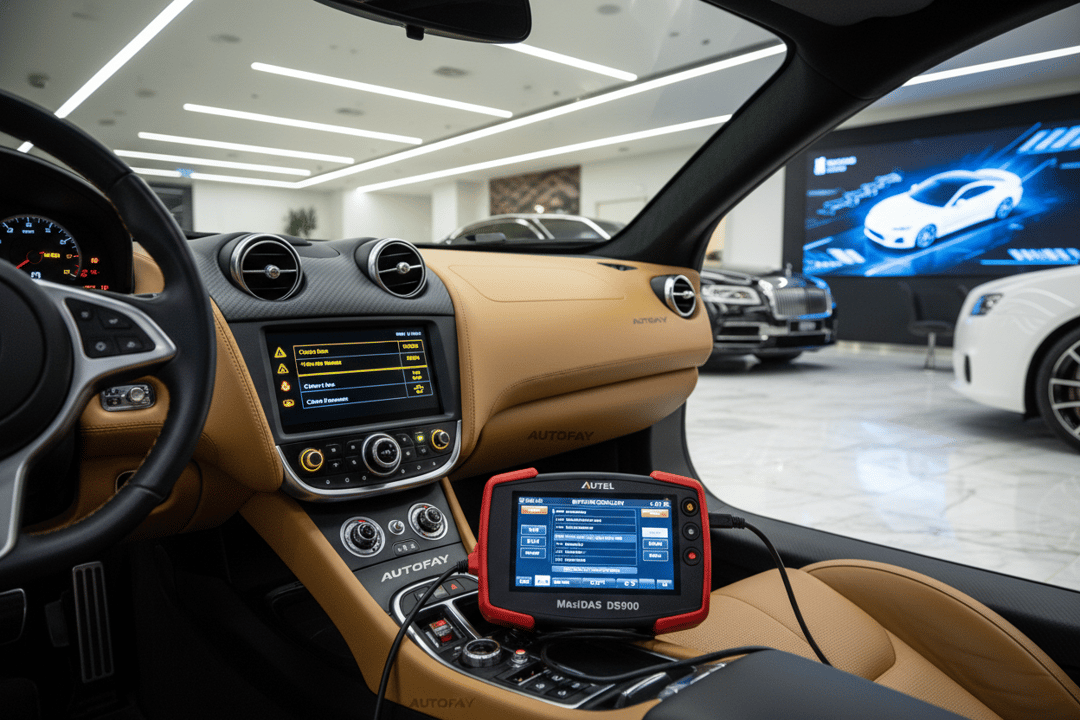
Mileage between 100,000 and higher mileage marks a significant transition point for used vehicles. At this stage, a car is no longer new, yet it often retains enough value to be a viable purchase. However, this range represents the onset of major wear and tear. Components that survived the initial depreciation phase begin to show fatigue. A professional inspection becomes essential to separate a well-maintained vehicle from one with hidden structural or mechanical issues.
The Powertrain: Engine and Transmission Health
The engine and transmission are the heart of the vehicle, and higher mileage is often the time when internal components start degrading. Inspectors must check the condition of the engine oil; thick, dark sludge indicates neglect or internal combustion byproducts that suggest poor maintenance habits. Smoke during startup reveals critical engine health. White smoke usually points to a cracked cylinder head or leaking head gasket, while black smoke suggests a rich fuel mixture or a faulty fuel injector.
Engine mounts are another critical inspection point. Over time, these rubber isolators harden and crack due to the constant vibrations of the engine. If the mounts are worn, the engine will transfer excessive vibration and noise to the chassis, making the cabin feel rough. A visual inspection and a road test to listen for knocking or ticking noises are necessary. Transmission performance must also be verified. Shifting delays, harsh gear changes, or slipping gears indicate wear inside the transmission gears or solenoids.
Structural Integrity and Chassis Safety
As a vehicle ages, the structure must remain rigid to ensure safety. at higher mileage, rust becomes a primary concern, particularly in the UAE's humid coastal areas. Inspectors examine the frame rails, the floor pan, and the suspension mounting points. Corrosion here compromises the vehicle's structural integrity and can lead to handling instability. A panel-by-panel inspection for body repainting is required to identify accident history. Original paint has a uniform texture and clear edge definition, whereas repainted panels often show orange peel texture or uneven color.
Suspension components undergo significant stress over this mileage range. Control arms, tie rods, and ball joints must be checked for play or visible rust. Worn suspension parts affect steering precision and increase tire wear. It is also vital to inspect the pillars and the firewall where water intrusion often occurs during leaks. Water damage can lead to electrical short circuits and mold growth, which are difficult to detect without professional tools.
Safety Systems: Brakes and Tires
Braking systems wear out predictably. The brake pads and rotors are consumable items that require regular replacement. Inspectors assess the pad thickness and the condition of the disc surfaces for scoring or warping. Worn pads reduce stopping power and can damage the expensive caliper hardware. More importantly, the brake fluid must be tested for boiling point and moisture content. Old brake fluid absorbs water, which reduces its effectiveness and can cause the brakes to fade under heavy braking.
Tires represent the only contact point between the car and the road. at higher mileage, tires are often due for replacement regardless of tread depth because rubber degrades over time. Inspectors check the manufacturing date on the sidewall; tires older than six years may fail unexpectedly. Furthermore, the ABS (Anti-lock Braking System) and DSC (Dynamic Stability Control) sensors must be scanned. Failure of these components compromises the vehicle's ability to prevent accidents in emergency maneuvers.
Electrical and Computer Systems
Modern vehicles rely heavily on computers and sensors. The OBD (On-Board Diagnostics) system provides a vast amount of data about the vehicle's health. At this mileage, sensors such as the Oxygen sensor, Mass Air Flow (MAF) sensor, and camshaft/crankshaft sensors begin to fail. An OBD scan reveals stored error codes that indicate specific component failures. Ignoring these codes can lead to reduced fuel efficiency and increased emissions.
The battery is often overlooked but is critical at this mileage. Lead-acid batteries typically last 3 to 5 years. A weak battery can cause erratic electrical behavior and fail to start the car, especially in hot climates. Additionally, the electrical harnesses must be checked for fraying or corrosion at the connection points. Poor electrical connections are a common cause of intermittent faults that are difficult to diagnose without a professional scope.
Choosing the Right Inspection Service
Relying on a visual walk-around is insufficient for vehicles in this mileage bracket. A comprehensive inspection requires a systematic approach covering 410+ checkpoints across 25 distinct categories. This level of detail ensures that no hidden defect goes unnoticed. On-location inspection services offer the convenience of bringing the inspection to the buyer, covering all seven Emirates without requiring the seller to transport the vehicle to a workshop.
Investing in a professional inspection prevents future financial burdens and ensures safety. AutoFay provides tiered packages designed to fit different needs and budgets. A basic Computer Diagnostic starts at AED 99 and is ideal for quickly identifying engine and transmission codes. For a more thorough evaluation of the vehicle's condition, the Body & Computer package at AED 250 offers a detailed paint and panel assessment combined with a full diagnostic scan. For maximum confidence, the Comprehensive package at AED 299 covers all critical categories including frame integrity, suspension, brakes, fluids, and a full road test.
| Package | Price (AED) | Primary Inclusions |
|---|---|---|
| Computer Diagnostic | 99 | Engine, Transmission, ABS, Airbag OBD Codes |
| Body & Computer | 250 | Paint Analysis, Panel Check, OBD Scan |
| Comprehensive | 399 | Frame, Suspension, Brakes, Fluids, Road Test, HD Report |
AutoFay inspects 410+ checkpoints with HD photos and PDF report. Book at autofay.ae or call +971542584458.



0 Comments
No comments yet. Be the first to share your thoughts!