


The turbocharger serves as the critical link between engine efficiency and power output, forcing more air into the combustion chamber for a richer mixture. In the UAE’s harsh desert climate and stop-and-go traffic, this component works harder than almost any other part of the drivetrain. A failing turbocharger does not usually happen overnight; it progresses through distinct stages of degradation that provide warning signs. Recognizing these symptoms before finalizing a purchase prevents the transaction of a vehicle destined for expensive mechanical failure.
Auditory Indicators: Listening to the Engine
The human ear remains one of the most effective diagnostic tools for detecting internal engine anomalies. A healthy turbo operates silently, maintaining a steady idle without any extraneous sounds. When the turbo begins to fail, the intake and exhaust pressures become unbalanced, creating audible leaks or mechanical friction.
- Whistling or Hissing: A high-pitched whistle often indicates a leak in the intake system. This sound suggests that air is escaping from the turbocharger seals or a cracked intercooler hose before it can be used efficiently.
- Rapid Whining: A sharp, metallic whining noise that increases with engine RPM points to a worn-out bearing inside the turbocharger unit. This friction generates heat rapidly and will eventually seize the component.
- Grinding Noise: Any grinding or rattling sound is a severe warning sign. It usually means internal components have shattered or the shaft has bent, indicating immediate and significant failure.
Visual Signs and Exhaust Smoke Analysis
Exhaust smoke color provides immediate insight into the engine’s combustion health and the turbocharger’s effectiveness. Smoke is the physical manifestation of unburnt fuel or oil being expelled from the tailpipe. Examining the exhaust before test driving reveals hidden issues that the driver may not notice during normal operation.
Blue smoke is the most alarming visual cue for a potential buyer. This coloration indicates that engine oil is entering the combustion chamber. In turbocharged vehicles, this occurs when the turbocharger seals fail, allowing pressurized oil to leak into the intake manifold or exhaust stream. Even if the vehicle drives normally, the blue haze signifies that the turbo requires expensive disassembly and refurbishment or replacement.
| Smoke Color | Probable Cause | Turbo Relevance |
|---|---|---|
| Blue | Burning engine oil | Worn turbo seals or PCV valve blockage |
| Black | Rich fuel mixture | Boost leak or faulty wastegate actuator |
| White (Sweet smell) | Burning coolant | Cracked intercooler or head gasket failure |
Performance Anomalies and RPM Response
A turbocharger relies on exhaust gas velocity to spin the turbine and compress air. When this system malfunctions, the engine loses its ability to generate boost pressure, resulting in a noticeable power deficit. Drivers may experience a delay in acceleration or a flat feeling when pushing the throttle pedal down.
During a road test, listen for the sound of the engine struggling to reach high speeds. The vehicle might feel sluggish under full load, particularly when merging onto highways or climbing inclines common in UAE topography. This symptom suggests the turbo is not spooling up fast enough, often due to clogged intercoolers or a damaged wastegate.
Physical Examination of the Engine Bay
Visual inspection of the engine bay provides tangible evidence of previous turbo failures or ongoing issues. Inspecting the engine bay components requires a keen eye for detail and an understanding of where oil leaks typically originate. Turbos are located adjacent to the exhaust manifold, making them susceptible to heat damage and oil residue buildup.
Check the area surrounding the turbocharger for fresh oil puddles or wet grime. A leak from the oil feed line or the return line indicates that the turbo seals are compromised. Additionally, inspect the exhaust manifold for cracks or soot buildup, which suggests the turbo is allowing hot gases to bypass the exhaust gas flow.
The Value of Professional Diagnostic Packages
Visual and auditory checks are insufficient for uncovering the full extent of turbocharger degradation. Internal sensors and electronic control units play a vital role in regulating boost pressure and managing the turbo’s lifespan. To ensure a used vehicle is mechanically sound, a comprehensive inspection is mandatory.
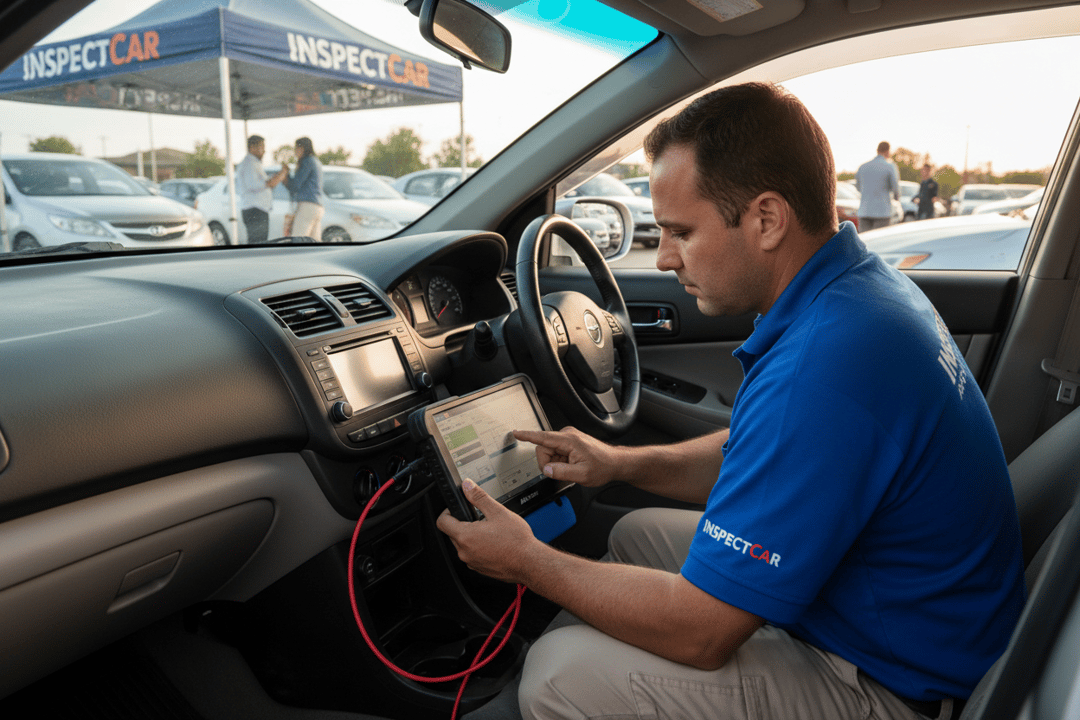
Professional inspection companies utilize advanced tools to read error codes and analyze sensor data. A simple error code may indicate a boost pressure sensor malfunction, which could be caused by a failing turbo or a loose vacuum hose. Ignoring this code leads to further component wear and potential engine damage.
AutoFay provides professional on-location inspection services across all seven Emirates. Their Computer Diagnostic package starts at AED 99, offering a quick scan of engine, transmission, ABS, and airbag systems to identify underlying faults. For a thorough verification of the vehicle's condition, their Comprehensive package at AED 299 covers 25 detailed categories, including a full engine assessment and road test.
Comprehensive Inspection Categories
A professional inspection goes beyond the turbocharger to ensure the entire vehicle’s structural and mechanical integrity is sound. The inspection process evaluates critical systems that often suffer from neglect in the UAE market.
- Engine and Transmission Systems: Inspectors listen for unusual sounds, check fluid levels, and assess the health of mounts to ensure the powertrain is delivering smooth power.
- Body and Paint Condition: A panel-by-panel analysis determines if the vehicle has been involved in accidents, helping to identify structural damage that might affect suspension alignment.
- Braking and Suspension Components: Evaluating brake pad thickness and suspension condition ensures safety during high-speed driving and heavy braking scenarios.
- Tire and Wheel Assessment: Inspectors verify tire manufacturing dates and tread wear, ensuring the vehicle has adequate grip and handling capabilities.
AutoFay inspects 410+ checkpoints with HD photos and PDF report. Book at autofay.ae or call +971542584458




0 Comments
No comments yet. Be the first to share your thoughts!