

The transmission valve body functions as the hydraulic control center for an automatic transmission. It directs transmission fluid to the appropriate clutches, bands, and pistons based on signals received from the vehicle's sensors. When this component malfunctions, the transmission loses its ability to shift gears smoothly, regardless of how well the rest of the engine performs. In the UAE climate, where ambient temperatures frequently exceed 45 degrees Celsius, the internal heat generated by stop-and-go traffic places significant stress on these hydraulic components. Detecting a failing valve body before finalizing a purchase is a critical step in avoiding a costly mechanical failure.
The Role of the Valve Body in Transmission Operation
The valve body contains a complex network of valves, springs, and passages. These elements regulate the fluid pressure within the transmission case, ensuring the correct gear ratio is selected at the right moment. Unlike the engine, which burns fuel to create power, the transmission relies entirely on hydraulic pressure to transfer that power to the wheels. If the valves stick or get stuck in the open or closed position, the fluid cannot flow as intended. This disruption leads to a loss of hydraulic pressure, which directly impacts the transmission's ability to engage gears effectively.
Because the valve body is located deep within the transmission housing, it is not always accessible for a simple visual inspection. Damage often occurs internally due to overheating or the degradation of transmission fluid over time. Understanding the specific warning signs allows a buyer to distinguish between a minor sensor issue and a major internal failure.
Visible Warning Signs of a Failing Valve Body
Drivers often mistake transmission issues for engine problems, but the symptoms usually manifest distinctly. A failing valve body will disrupt the precise timing of hydraulic pressure, leading to erratic gear changes. Identifying these symptoms early can save a buyer from inheriting a vehicle that requires extensive transmission work.
- Harsh or Jerky Shifting: The vehicle may lurch or jerk forward when accelerating from a stop. This sensation occurs when the valve body fails to modulate the fluid pressure smoothly between gears.
- Delayed Engagement: There may be a noticeable pause—ranging from a fraction of a second to several seconds—between the moment the brake is released and when the car actually begins to move.
- Slipping Gears: The engine may rev high, but the vehicle speed does not increase correspondingly. This indicates a lack of hydraulic pressure reaching the clutch packs or bands.
- Transmission Warning Light: The dashboard may illuminate the check engine light or a dedicated transmission warning symbol. This light activates when the onboard computer detects hydraulic pressure irregularities or electrical faults within the valve body.
The Connection Between Overheating and Valve Failure
Heat is the enemy of the transmission valve body. In the UAE, heavy traffic and high ambient temperatures cause the transmission fluid to break down faster than in cooler climates. When fluid degrades, it becomes sludge-like and coats the internal valves. This sludge prevents the valves from moving freely, leading to the symptoms mentioned above. A vehicle that pulls over frequently or has a history of overheating is a high-risk candidate for valve body failure, even if the current owner claims the transmission is in good condition.
The Importance of Professional Diagnostics
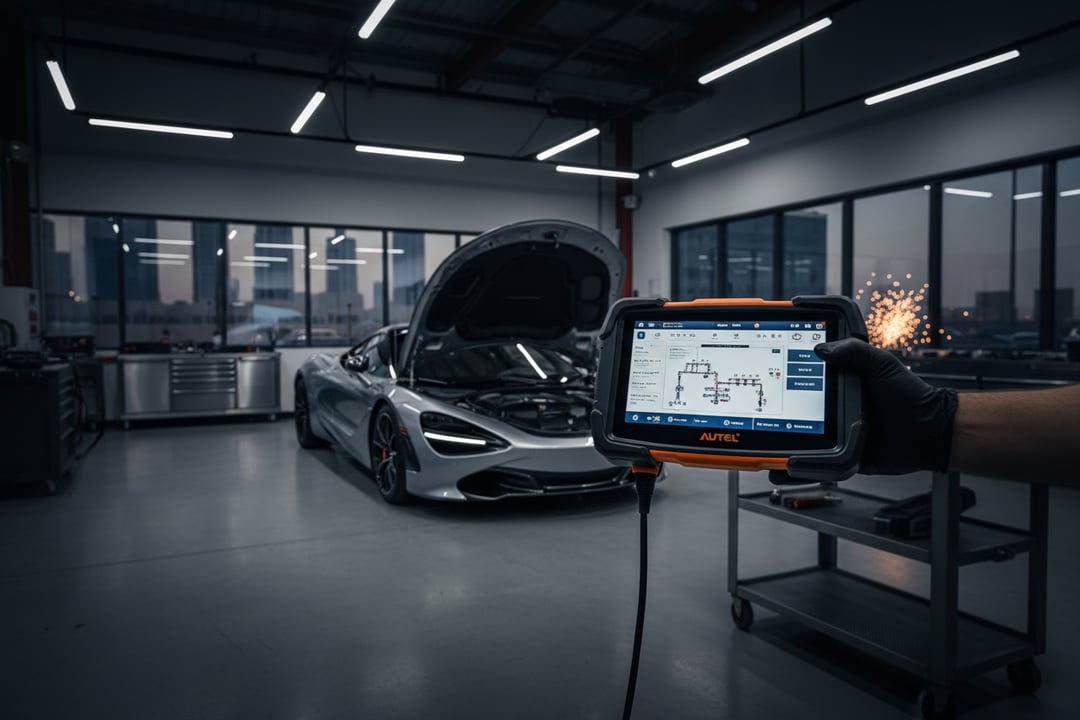
While the symptoms listed above are clear indicators of trouble, confirming the root cause requires specialized equipment. A basic visual inspection cannot reveal the condition of the internal valves or the health of the transmission fluid internally. This is where professional vehicle inspection services play a vital role. A experienced inspector will verify the integrity of the transmission system through a comprehensive diagnostic process.
For buyers in the UAE, utilizing a on-location inspection service offers the convenience of having a experienced expert evaluate the vehicle at the seller's location. These inspections go beyond a simple drive; they involve a detailed assessment of the transmission's interaction with the engine and the vehicle's overall drivability. Services such as checking for DTCs (Diagnostic Trouble Codes) related to the transmission control module are essential to pinpointing hydraulic faults.
AutoFay Inspection Packages: Ensuring Transmission Integrity
Professional inspection companies provide structured packages designed to uncover hidden mechanical issues, including transmission faults. These packages offer a systematic approach to vehicle evaluation, ensuring that no critical component is overlooked.
- Computer Diagnostic AED 99: This entry-level package connects the vehicle to an OBD scan tool to retrieve any stored error codes in the Engine, Transmission, ABS, or Airbag systems. While this does not physically inspect the transmission, it provides essential data regarding the computer's perception of the system's health.
- Body & Computer AED 250: This package expands on the diagnostic scan by including a comprehensive visual assessment of the body and frame. It ensures that the vehicle has not been involved in accidents that could compromise the structural integrity or wiring harness, which indirectly affects transmission sensor signals.
- Comprehensive AED 299: The most thorough option, this package includes the computer diagnostic, body and frame inspection, and a detailed road test. The road test allows the inspector to hear, feel, and observe the transmission's behavior under real-world driving conditions, checking for shifting harshness, slipping, and unusual noises.
Key Categories of Inspection for Transmission Health
A professional inspection evaluates various categories to ensure the transmission is functioning correctly. These checkpoints are designed to catch issues that a casual buyer might miss during a brief test drive.
| Inspection Category | Relevance to Valve Body |
|---|---|
| OBD Scan | Identifies specific hydraulic control codes generated by the transmission control unit. |
| Fluids | Checks the level and condition of transmission fluid; dark or burnt fluid indicates internal wear. |
| Engine | Evaluates engine mounts and mounts; worn mounts can cause vibrations misinterpreted as transmission faults. |
| Road Test | Directly observes acceleration, braking, and gear shifting behavior. |
Conclusion
Identifying a failing transmission valve body requires a keen eye and a systematic approach to vehicle inspection. While the symptoms of hydraulic failure are often distinct, confirming the extent of the damage is best left to professionals. Skipping a professional inspection can lead to purchasing a vehicle that requires immediate and expensive transmission repair, often exceeding the value of the car itself.
Utilizing a licensed inspection service ensures that every potential issue is documented and reported. With over 410+ checkpoints covering 25 categories, a thorough inspection provides the necessary evidence to make a sound purchasing decision. These services are available for all 7 Emirates, bringing professional inspection directly to the buyer.
AutoFay inspects 410+ checkpoints with HD photos and PDF report. Book at autofay.ae or call +971542584458





0 Comments
No comments yet. Be the first to share your thoughts!