

The starter motor serves as the critical initiator of an engine's operation, transforming electrical energy into mechanical torque to turn the engine over. In the United Arab Emirates, this component faces a unique set of challenges due to extreme ambient temperatures, prolonged parking durations, and the specific environmental conditions found in the Emirates. A failing starter motor often presents distinct symptoms that, if ignored, can escalate from a simple annoyance to a complete breakdown. Understanding these signs allows vehicle owners to distinguish between a failing starter and a failing battery, though the two systems are often interconnected. This guide outlines the essential inspection points for starter motors in UAE vehicles, focusing on slow cranking, clicking noises, grinding sounds, and the specific issue of heat soak.
The "Heat Soak" Effect in UAE Parking Conditions
One of the most misunderstood issues affecting modern vehicles in the region is "heat soak." When a vehicle is parked in the scorching midday sun or left running for extended periods, the engine bay temperature can exceed fifty degrees Celsius. This ambient heat directly transfers to the starter motor, causing the internal copper windings to expand and the insulation to degrade over time. Furthermore, the thickening of engine oil in high temperatures increases the rotational resistance the starter must overcome during the initial crank cycle. This strain significantly shortens the lifespan of the starter solenoid and the armature.
- Thermal Expansion: High temperatures cause the starter housing to expand, potentially warping the connection between the solenoid and the motor.
- Viscosity Changes: Thickened oil in high heat increases the load on the starter motor, preventing it from spinning the engine fast enough to achieve combustion.
- Solder Joint Failure: The vibration from the engine combined with thermal cycling causes solder joints inside the starter to crack, leading to intermittent operation.
Distinguishing Symptoms: Slow Crank vs. Clicking
Diagnosing starter failure requires differentiating between a slow crank and a clicking sound, as the root causes differ significantly. A slow crank indicates that the starter motor is receiving power but is physically struggling to turn the engine due to internal wear or excessive load. Conversely, a clicking sound usually signifies an electrical issue, specifically a failure of the starter solenoid to engage the drive pinion with the flywheel ring gear. In many UAE models, the battery terminals are situated near hot components, making corrosion a frequent culprit for these distinct noises.
- Solitary Clicking: You hear a single, rapid click when turning the key. This indicates the solenoid is closing but the plunger cannot push the drive gear forward due to a lack of power or a broken internal spring.
- Slow Cranking: The engine turns over sluggishly, taking several seconds to reach idle speed. This suggests the starter motor brushes are worn down or the internal bushings are seizing due to heat and lack of lubrication.
- Intermittent Failure: The starter works sometimes and not others, particularly after the engine has been running. This is a classic sign of heat-related expansion loosening internal electrical connections.
The Danger of Grinding Sounds: Solenoid Failures and Flywheel Damage
A grinding noise during startup is a severe warning sign that indicates the starter's drive pinion gear is not engaging with the flywheel ring gear properly. This sound is caused by the pinion spinning inside the ring gear teeth rather than meshing with them. In many cases, this occurs because the solenoid is not fully extending the pinion, or the teeth on the flywheel have become worn or chipped. Ignoring this noise can result in catastrophic damage to the flywheel, which requires complete engine teardown to repair, a consequence far more expensive than replacing the starter motor itself.
Visual and Auditory Inspection Techniques
A thorough inspection begins with a physical examination of the starter motor's location and condition. Technicians must verify that the starter bolts are tight, as vibration can loosen them over time, creating a poor electrical connection. The inspection should focus on the wiring harness leading to the starter, looking for melted insulation caused by high current draw. Furthermore, the user should listen for the sound of the starter staying engaged after the engine starts, which can cause the pinion gear to grind against the spinning flywheel and destroy both components.
Electrical Circuit and Corrosion Analysis
Starter motor issues are frequently misdiagnosed as battery problems, yet the root cause often lies in the starter’s control circuit. The "ignition" circuit that triggers the solenoid carries a much lower current than the power supply wire, but it is highly susceptible to voltage drops caused by corrosion or high resistance. In coastal areas of the UAE, salt air accelerates the oxidation of the starter solenoid contacts, preventing the electrical pulse from reaching the solenoid plunger. A professional inspection must test the voltage drop across the entire circuit to ensure the starter receives the full battery voltage at the moment of engagement.
Why Professional Diagnostic Inspections Are Essential
Attempting to replace a starter motor without a proper diagnosis can lead to unnecessary labor costs and the purchase of an incorrect part. A comprehensive inspection goes beyond the starter itself to examine the vehicle's charging system, ground straps, and the integrity of the ignition switch. For instance, a failing alternator may cause the battery to be drained while the car is parked, leading to a starter that fails to crank the next morning. Utilizing a structured inspection service allows for the identification of these systemic failures before they result in a non-starting vehicle.
Vehicle owners in the UAE should prioritize a rigorous inspection process that covers the entire engine bay. Factors such as oil leaks dripping onto the starter can cause the internal insulation to degrade rapidly, leading to short circuits. The inspection must also verify that the starter is mounted securely to the engine block to prevent harmonic vibrations from damaging the subframe or transmission bell housing over time. By addressing these specific environmental factors, owners can extend the life of their starter motor and ensure reliable vehicle operation.
| Inspection Category | Key Checkpoints | Potential Consequence of Neglect |
|---|---|---|
| Visual & Mechanical | Mounting bolt tightness, physical damage, oil leaks onto unit. | Excessive vibration can crack the starter housing or damage the bell housing. |
| Electrical Circuit | Corrosion on terminals, ground strap integrity, voltage drop testing. | Intermittent operation caused by high resistance prevents the solenoid from engaging. |
| Engine Performance | Engine mounts, flywheel ring gear condition, combustion smoke. | A bent engine mount can misalign the starter, causing teeth to grind during startup. |
When seeking a professional assessment, utilizing a on-location inspection service offers distinct advantages for UAE residents. Being able to have a experienced inspector evaluate the vehicle on-site ensures that they can observe the exact conditions under which the problem occurs, such as temperature-related symptoms. These inspections provide a detailed report highlighting the severity of the damage and the necessity of repair versus replacement. Without this detailed analysis, replacing a starter motor without addressing underlying electrical issues often results in the problem recurring shortly after the repair.
Comprehensive Inspection: Beyond the Visual
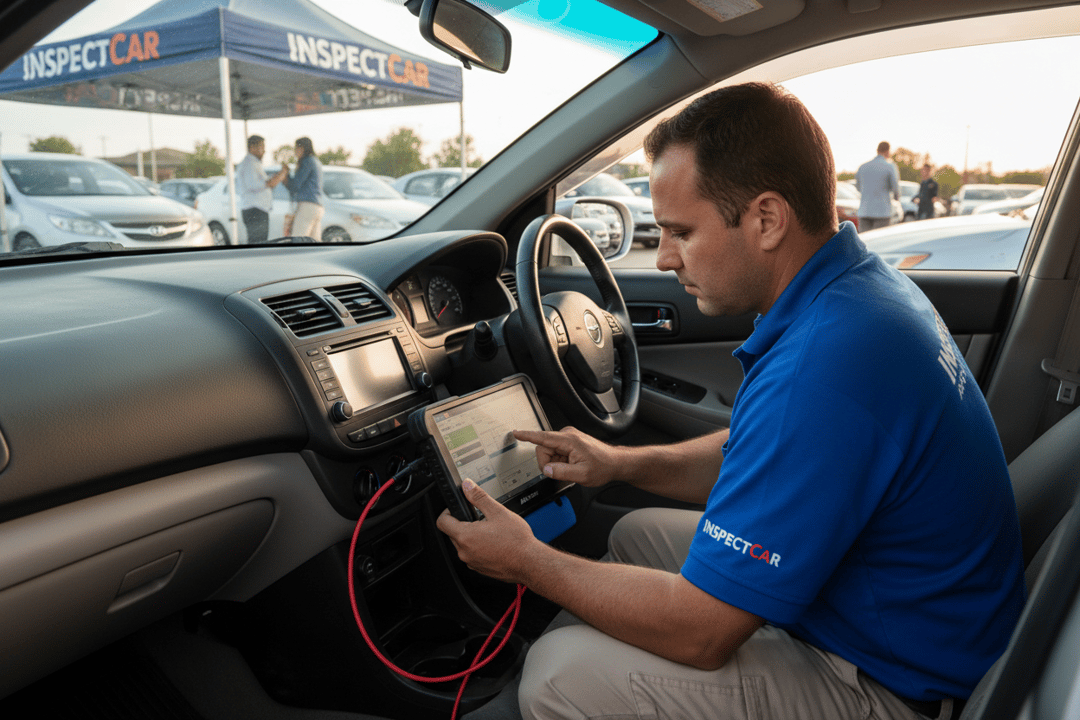
A true professional inspection integrates computer diagnostics to rule out issues within the Engine Control Unit (ECU) or the body control module that might simulate a starter fault. While the starter is a mechanical device, its operation is controlled by complex electronic switches. An inspector must verify that the signal sent from the dashboard is reaching the starter relay without interference. This holistic approach ensures that the identified fault is the actual root cause and not a symptom of a larger electronic malfunction within the vehicle's network.
For a detailed and accurate assessment of a vehicle's starter motor and overall mechanical health, trusting a licensed inspection company is the prudent choice. Experts provide a comprehensive evaluation of the engine, chassis, and electrical systems to ensure no hidden defects are overlooked. AutoFay inspects 410+ checkpoints with HD photos and PDF report. Book at autofay.ae or call +971542584458.




0 Comments
No comments yet. Be the first to share your thoughts!