
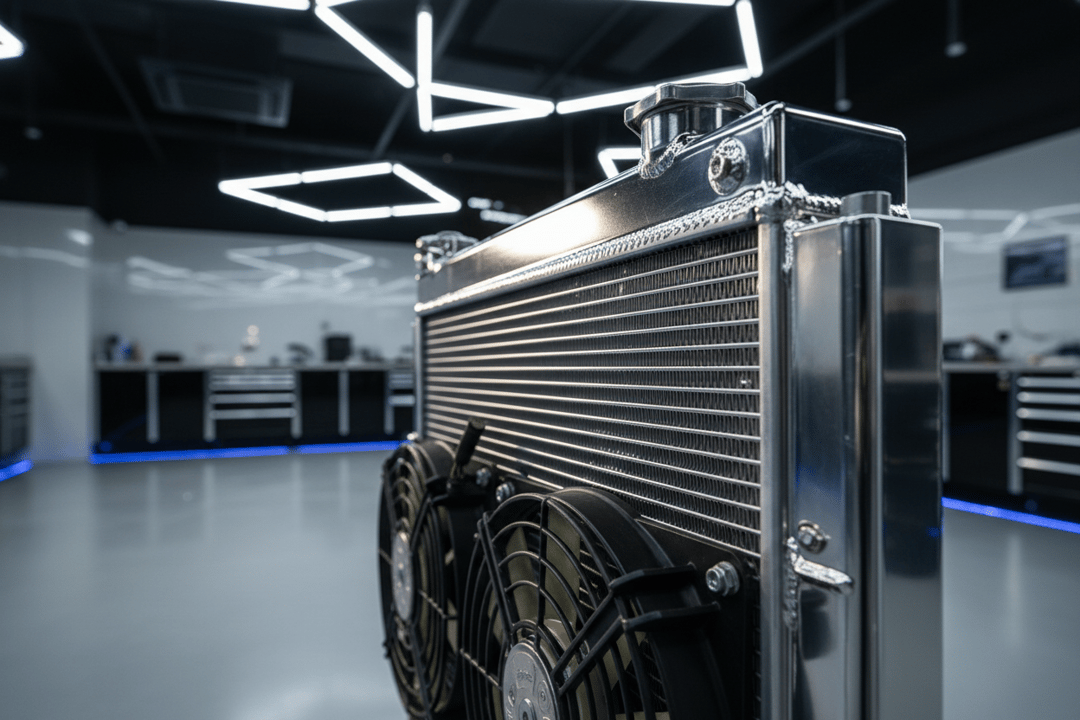
The relentless heat of the United Arab Emirates climate places unprecedented stress on automotive cooling systems. For vehicle owners and inspectors alike, the radiator represents the most critical line of defense against thermal engine failure. A radiator failure is statistically the primary cause of roadside breakdowns in the region during the summer months. Understanding the specific points of failure allows for proactive maintenance and safe vehicle operation. This guide provides a technical inspection perspective on radiator health, focusing on visual, mechanical, and fluid-based indicators.
The Critical Role of the Radiator in UAE Climate
The radiator dissipates the heat generated by the engine block and cylinder head. In the UAE, ambient temperatures frequently exceed 45 degrees Celsius, pushing the cooling system to its operational limits. When airflow is restricted or internal fluid flow is impeded, the engine temperature rises rapidly. This thermal stress can warp cylinder heads or cause gasket failure. Therefore, a radiator is not merely a plumbing component; it is a vital safety system that dictates whether a vehicle can safely traverse the highways of Dubai, Abu Dhabi, or the Northern Emirates.
External Damage: Plastic Tanks and Corrosion
Modern radiators predominantly utilize high-density polyethylene (plastic) tanks bonded to aluminum cores. While lightweight, this material is susceptible to thermal expansion and contraction. Repeated heating and cooling cycles create microscopic stress fractures around the seam where the plastic meets the aluminum core. Inspectors must look for hairline cracks or wet spots on the tank exterior, which indicate a slow coolant leak. A compromised tank introduces air into the cooling system, eliminating the coolant's ability to transfer heat effectively. This leads to rapid overheating and potential engine seizure if not addressed immediately.
The Silent Killer: Fin Damage and Blocked Airflow
The fins of a radiator are designed to maximize surface area for heat dissipation. However, in the UAE, the combination of sand, dust, and insects can completely clog these fins. When fins are bent or coated in debris, airflow through the core is drastically reduced. The engine relies on this convective cooling to lower coolant temperatures. If the airflow is obstructed, the radiator cannot reject heat, causing the engine to run hotter than the thermostat design allows. Inspectors often note that a radiator appearing full on the dashboard gauge may actually be boiling internally due to restricted airflow, creating a dangerous false sense of security.
- Bent Fins: Physical damage from road debris or improper handling during previous repairs.
- Corrosion Pits: Rust forming on the exterior of the tank walls, leading to structural weakness.
- Clogged End Tanks: Accumulation of sediment at the bottom of the plastic reservoir, indicating cooling system neglect.
Internal Compromise: Blockages and Coolant Quality
Internal radiator failure is often more insidious than external damage. Over time, the coolant itself degrades. The anti-corrosion additives in OEM fluids eventually deplete, leading to internal rust and scale formation. This sediment accumulates in the narrow internal passageways of the radiator core. Such blockages prevent coolant from circulating properly, creating "hot spots" within the engine block. Additionally, a failing water pump, which is often inspected within the broader engine system, can fail to move coolant through these restricted passages. The consequence is an engine operating far above its optimal temperature range.
Professional Inspection Strategy: Beyond Visuals
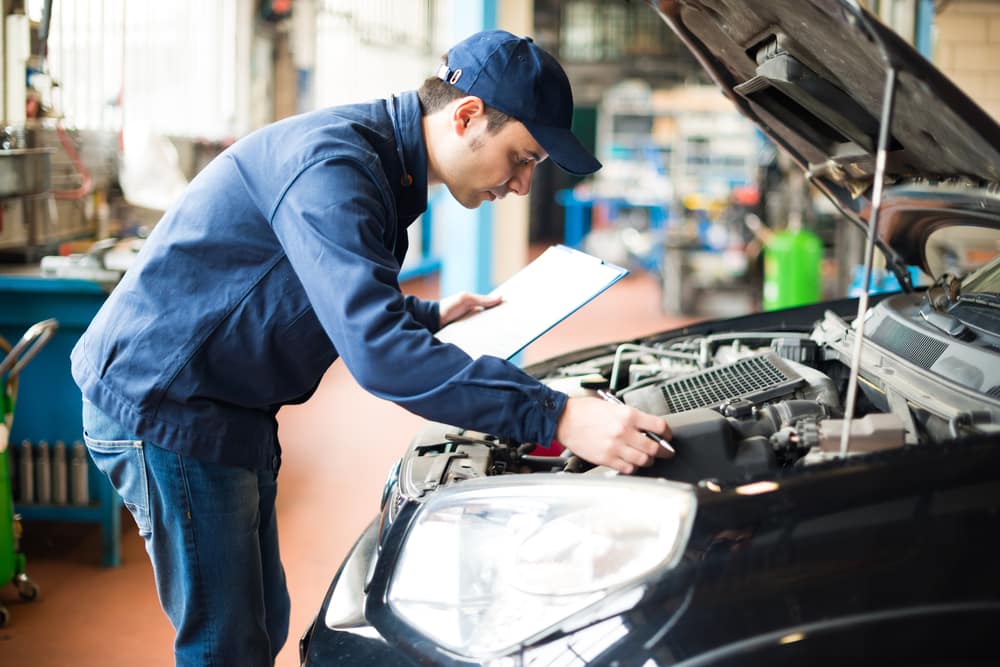
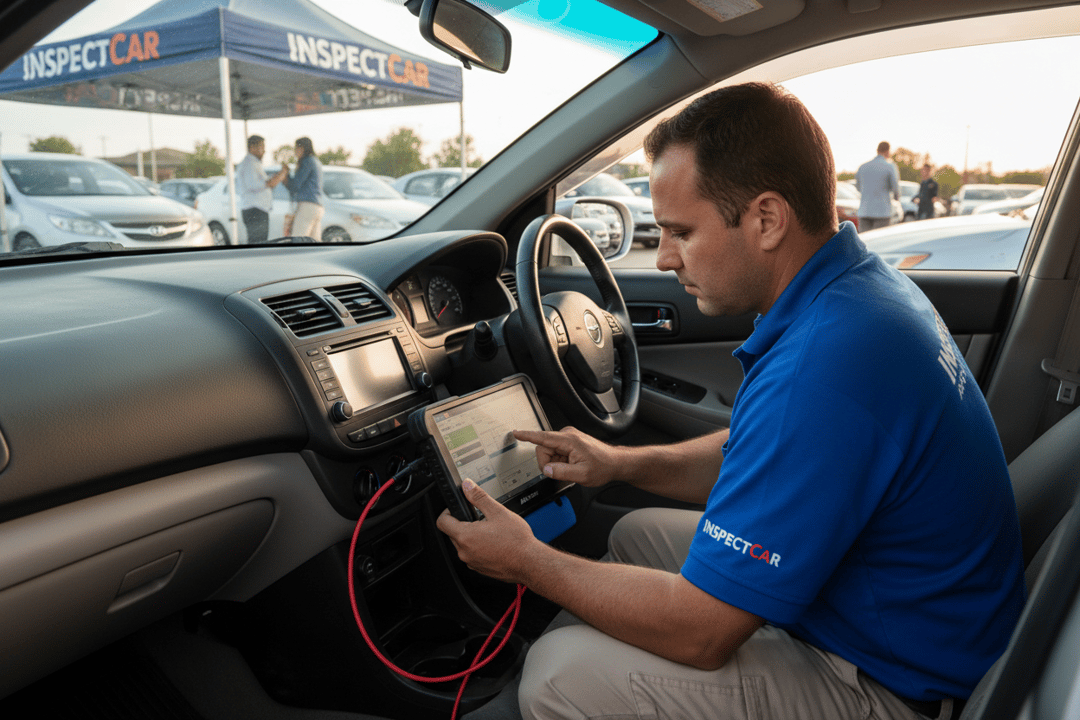
A visual inspection is insufficient for a complete assessment of radiator health. Professional vehicle inspection requires a multi-faceted approach that includes computer diagnostics, fluid analysis, and road testing. At AutoFay, our experienced inspectors utilize a comprehensive methodology to evaluate the cooling system as part of a broader 410+ checkpointlist. We categorize radiator assessments under specific vehicle systems to ensure no detail is overlooked. For instance, checking the color of exhaust smoke during a road test provides immediate clues regarding combustion temperature and coolant leaks into the cylinders.
| Inspection Category | Relevance to Radiator Health |
|---|---|
| Engine | Assesses mounts and sound to detect overheating vibrations; checks for coolant leaks on the ground. |
| Fluids | Evaluates coolant level, color, and condition to identify contamination or low concentration. |
| Brakes | Ensures the cooling system activates the air conditioning system, which places additional load on the radiator. |
| Road Test | Monitors temperature gauges and listens for steam release to confirm cooling efficiency. |
Choosing the Right Inspection Package
Investing in a professional vehicle inspection prevents the costly consequences of unexpected radiator failure. AutoFay offers a range of on-location inspection services across all seven Emirates to accommodate the busy lifestyle of UAE residents. We provide three distinct packages designed to suit specific needs. The Computer Diagnostic AED 99 package scans for engine codes that may point to cooling system malfunctions. For a more detailed assessment, the Body & Computer AED 250 package expands the scope to include structural checks. The Comprehensive AED 299 package provides the most thorough evaluation, covering every critical system including the radiator.
- On-Location Service: Inspectors visit the client’s location for ultimate convenience.
- HD Documentation: Every inspection includes high-resolution photos for the client's records.
- Detailed Reporting: A comprehensive report outlines the condition of the radiator and all 25 categories.
Do not wait for the temperature warning light to illuminate. The reliability of your vehicle depends on the integrity of its cooling system. Early detection through a professional inspection can save thousands in repair costs and prevent a dangerous roadside breakdown.
AutoFay inspects 410+ checkpoints with HD photos and PDF report. Book at autofay.ae or call +971542584458


0 Comments
No comments yet. Be the first to share your thoughts!