

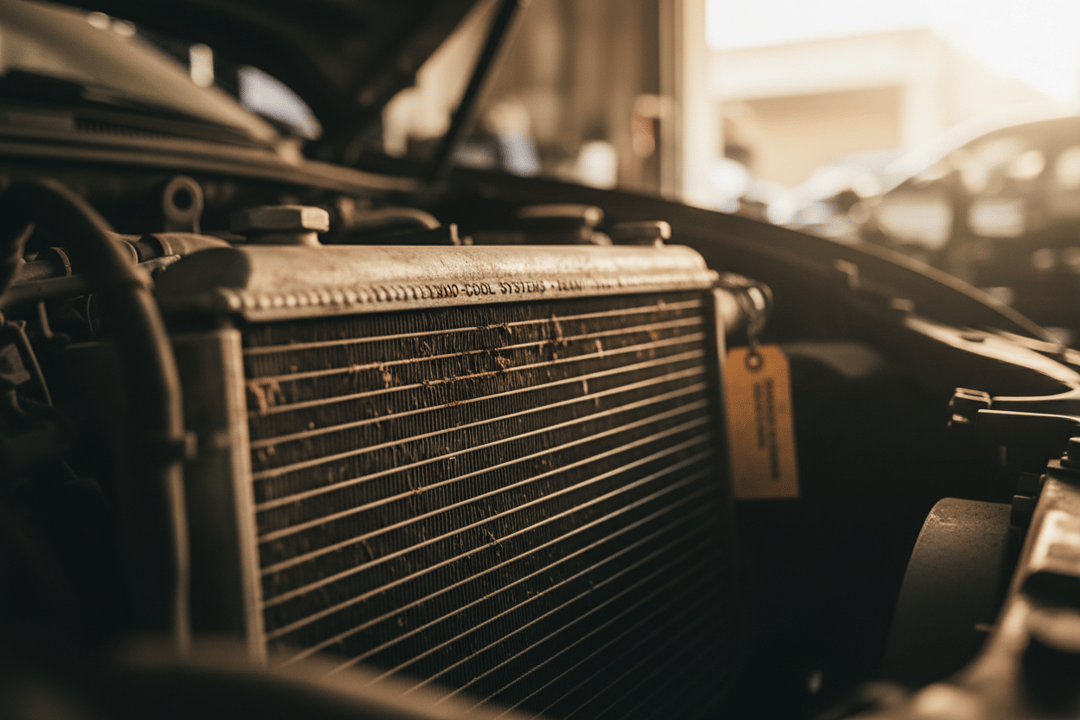
The radiator serves as the primary thermal management system for an internal combustion engine. In the relentless heat of the UAE, a vehicle’s cooling system operates under constant stress. A compromised radiator can transform a minor mechanical issue into a catastrophic engine failure. Used car buyers must prioritize this component to avoid purchasing a vehicle prone to overheating. Detection requires a keen eye and, more importantly, a professional inspection.
The Engine's Lifeline: Understanding the Cooling System
The radiator dissipates heat absorbed by coolant circulating through the engine block. This process prevents the engine from reaching critical thermal limits during operation. Most modern vehicles utilize a mixed-metal cooling system, combining aluminum radiators and plastic tanks. Over time, the plastic tanks can crack due to thermal expansion and contraction cycles. The aluminum fins can clog with sediment and debris, reducing heat transfer efficiency. Understanding these materials helps inspectors identify potential points of structural weakness before they lead to leaks.
Visual Red Flags: What to Look for During a Walkaround
Physical evidence of coolant leakage is often the most obvious indicator of radiator distress. Inspectors should look for green, orange, or pink residue on the engine block and firewall. These fluids are highly visible but sometimes obscured by modern engine covers. A thorough inspection involves lifting the hood and checking the radiator cap area for wetness. The condition of the radiator hoses provides additional diagnostic data. Hard, brittle hoses indicate age and degradation, making them susceptible to bursting under pressure.
ul>The Danger of "Stealth" Leaks
Not all radiator failures manifest as visible puddles on the driveway. Internal leaks can allow coolant to seep into the combustion chamber or oil pan. This contamination dilutes the engine oil, reducing its lubricating properties. Low coolant levels can also cause air pockets to form in the system, leading to overheating without any external warning signs. Detecting these hidden contaminants requires a professional fluid analysis, which is a critical part of a comprehensive vehicle check.
Behavioral Warning Signs: Engine Response
How the engine behaves during operation reveals the health of the cooling system. A failing radiator often causes the engine temperature gauge to fluctuate erratically. The needle may hover in the red zone or drop suddenly after reaching normal operating temperature. This instability suggests air pockets in the cooling system or a thermostat stuck in the closed position. Drivers should listen for unusual noises that accompany high temperatures, such as knocking or ticking from the cylinder head.
Smoke and Steam Indicators
Steam emanating from the front of the vehicle is a definitive sign of coolant boiling over. Unlike white smoke from burning oil, steam is accompanied by a sweet, chemical odor. This odor is caused by ethylene glycol, a toxic substance used in most automotive coolants. If a car produces steam, the radiator or thermostat has failed completely. Continued driving under these conditions risks warping the cylinder head and cracking the engine block.
The "Hidden" Danger: Internal Blockage and Sediment
A radiator can fail mechanically even if it appears physically intact on the outside. Internal scale and rust can accumulate within the tubing, restricting coolant flow. This blockage prevents the coolant from absorbing heat from the engine, causing temperatures to rise rapidly. A clogged radiator puts immense strain on the water pump, potentially leading to premature pump failure. This type of failure is invisible to the naked eye and requires high-pressure flow testing to diagnose accurately.
Why a Professional Diagnostic is Essential
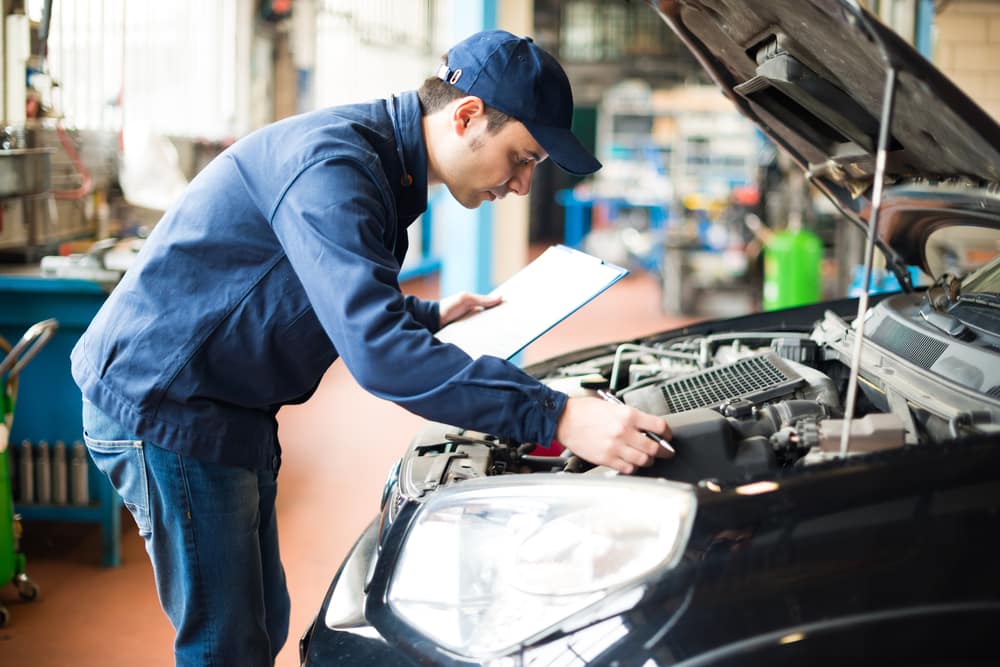
Visual checks are insufficient for evaluating the internal health of a cooling system. A used car may drive smoothly on a short test drive but overheat after sustained highway driving. This discrepancy highlights the importance of a professional road test and diagnostic scan. Technicians use OBD scanners to check for specific cooling system codes, such as thermostat performance or sensor faults. A professional inspection also verifies the function of the cooling fans and the water pump operation.
A professional inspection service evaluates the entire vehicle, not just the radiator. The inspection process covers 25 distinct categories to ensure no mechanical weakness is overlooked. Inspectors check the body for accident damage that may have compromised the radiator mounting. They also examine the frame rails and pillars to ensure the front structure has not been compromised in a collision.
Choosing the Right Service Package
Investing in a professional inspection prevents costly surprises after the purchase. Different inspection packages offer varying levels of scrutiny to suit different budgets and needs. A basic computer diagnostic can identify electronic faults related to the cooling system. A more comprehensive package includes a physical inspection of fluids and engine components.
table> thead> tr> th>Inspection Package/th> th>Key Inclusions/th> th>Price (AED)/th> /tr> /thead> tbody> tr> td>Computer Diagnostic/td> td>OBD scan for engine/transmission/ABS codes; basic system check/td> td>99/td> /tr> tr> td>Body & Computer/td> td>Panel-by-panel paint analysis; OBD scan; visual mechanical check/td> td>250/td> /tr> tr> td>Comprehensive/td> td>25 categories including engine sound, mounts, smoke, fluids, brakes, suspension, tires, and frame integrity/td> td>399/td> /tr> /tbody> /table>For a radiator-specific assessment, a comprehensive package provides the necessary depth. This package includes a road test to monitor temperature stability and a fluid inspection to check for contamination. The inspector checks tire manufacturing dates, ensuring the vehicle has not been driven excessively on bald tires during overheating incidents. The service includes a PDF report with HD photos documenting the vehicle's condition.
The Consequence of Neglect
اختيار مركبة ذات مبرد معيب يؤدي إلى خسارة مالية كبيرة. استبدال المبرد ببساطة أمر يمكن إدارته، لكن عواقب ارتفاع درجة الحرارة شديدة. يمكن لارتفاع درجة الحرارة تشويه رأس الأسطوانة، أو تلف غطاء الأسطوانة، أو تشقق بلوك المحرك. إصلاح غطاء الأسطوانة التالف يتطلب تفكيك المحرك، وهو عملية شاقة ومكلفة. في الحالات الشديدة، قد يتضرر المحرك بشكل لا يمكن إصلاحه اقتصاديًا، مما يجعل المركبة عديمة الفائدة.
Preventative inspection identifies these risks before they become irreversible. It separates vehicles with simple maintenance needs from those with costly underlying damage. A experienced inspector provides an objective assessment based on 410+ checkpoints. This data empowers the buyer to negotiate the price based on factual mechanical condition.
p>Do not rely on anecdotal evidence or a short test drive. The radiator's condition is best verified through a structured, professional evaluation. Utilize on-location inspection services available across all 7 Emirates to ensure the vehicle is thoroughly checked in a controlled environment. AutoFay inspects 410+ checkpoints with HD photos and PDF report. Book at autofay.ae or call +971542584458.



0 Comments
No comments yet. Be the first to share your thoughts!