
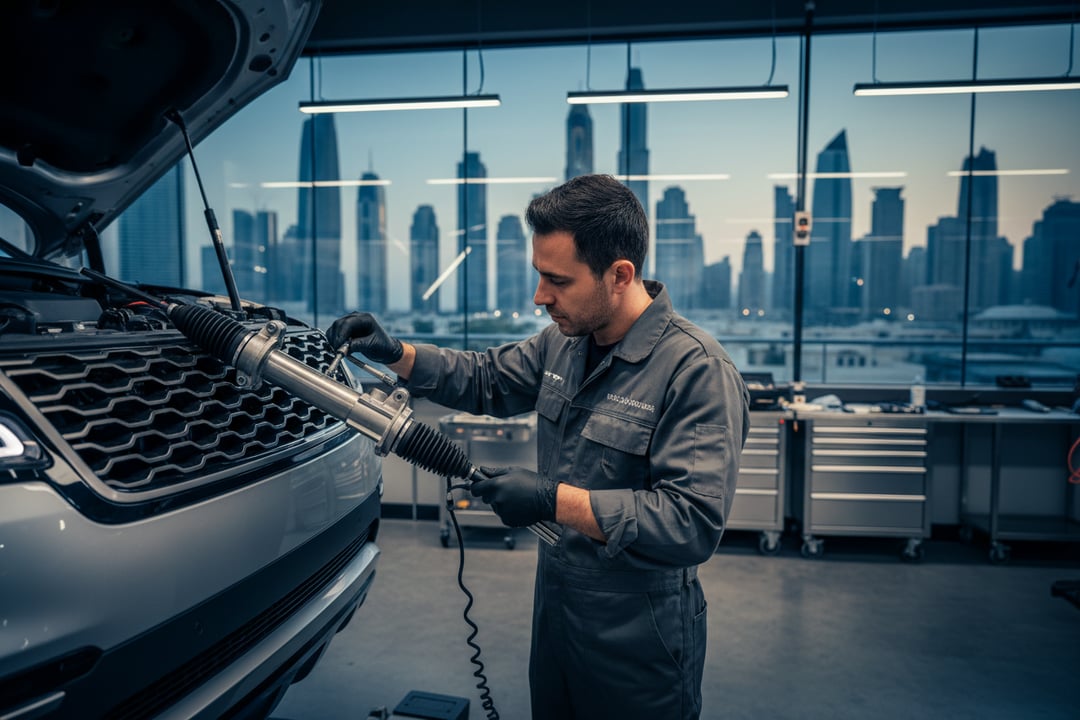
The power steering rack serves as the central pivot point for a vehicle's steering system, converting the rotational motion of the steering wheel into the lateral movement required to turn the wheels. In the harsh environment of the UAE, where high ambient temperatures accelerate fluid degradation and heavy traffic demands frequent maneuvering, the rack endures significant stress. A compromised rack leads to unsafe handling, increased fuel consumption, and potential collision hazards. Inspecting this component requires a trained eye, as symptoms often mimic other suspension or engine issues. Understanding the specific indicators of rack failure allows for accurate diagnosis before the system fails completely.
The Anatomy and Function
The rack and pinion assembly integrates a gear mechanism that translates the turning angle of the steering wheel into the mechanics of the steering linkage. Inside this assembly, seals contain high-pressure hydraulic fluid that assists in turning the wheels with minimal driver effort. Over time, the internal seals lose elasticity due to heat exposure and friction, leading to fluid loss or contamination. Because the rack is a sealed unit in most modern vehicles, internal failure can only be addressed through disassembly or complete replacement, making the initial visual inspection critical for early detection.
Visual Inspection: Detecting Hydraulic Leaks
Hydraulic power steering systems rely on a specific type of fluid, typically amber or red, to transmit pressure. Leaks originating from the power steering rack are often difficult to spot because the component is located low within the chassis. Inspectors look for tell-tale signs of fluid accumulation around the steering rack boots, the steering gear housing, and the connection points where the tie rods meet the rack. A small drip can escalate into a full loss of steering assist quickly if left unattended. Ignoring a slow leak results in a gradual hardening of the steering wheel, eventually requiring a costly rack replacement and risking damage to the power steering pump.
- Oily residue on the steering boots: Indicates a breach in the internal seal allowing fluid to seep outward.
- Low fluid reservoir: A visible drop in the fluid level suggests a leak within the rack lines or the rack itself.
- Greasy puddles under the car: Often confused with engine oil, power steering fluid has a distinct odor and consistency.
Diagnosing Heavy Steering Effort
Modern vehicles should turn the wheels with minimal resistance, especially at low speeds. A sudden increase in steering weight, often described as the car feeling like it is driving on ice, indicates a loss of hydraulic pressure or a vacuum issue. This symptom can stem from low fluid levels, a failing pump, or a clogged filter. In electric power steering systems, heavy steering may indicate a failing torque sensor or a dead battery affecting the assist motor. Regardless of the system type, driving with a stiff steering wheel places undue strain on the driver and reduces the vehicle's responsiveness in emergency maneuvers.
Road Test: Analyzing Steering Feel and Noise
A professional road test reveals dynamic issues that static inspection cannot. During this phase, the inspector listens for a high-pitched whining noise that increases with steering wheel rotation, which typically indicates air in the system or a failing pump. Conversely, a groaning sound or a grinding sensation suggests the internal gears are failing to disengage smoothly. Drivers should also pay attention to any "play" or looseness in the steering wheel, where the wheel moves several inches before the wheels begin to turn. Excessive play indicates worn tie rod ends, which are mechanically connected to the rack and often necessitate rack replacement to ensure structural integrity.
| Observed Symptom | Potential Root Cause | Severity Level |
|---|---|---|
| Steering wheel pulls to the left or right | Uneven tire pressure or misalignment affecting the rack's control arms. | Moderate |
| Whining noise during turns | Low power steering fluid or a failing pump straining to push fluid. | High |
| Loose steering wheel (play) | Worn tie rod ends or internal rack gear wear. | High |
| Vibration through the steering wheel | Contaminated fluid causing internal corrosion or a bent rack housing. | Moderate |
When Rack Replacement is Unavoidable
Once the internal seals are breached or the internal gears have worn down, no fluid additive or pump repair can restore function. Internal rack failure results in metal-on-metal grinding, causing permanent damage to the rack housing. If a vehicle exhibits a continuous leak that cannot be sealed externally, or if the steering wheel binds and refuses to return to center, replacement is the only viable solution. Attempting to repair a failed rack internally is rarely cost-effective and rarely restores the factory specification, making a direct replacement the standard industry practice for safety compliance.
The Role of Professional Vehicle Inspection
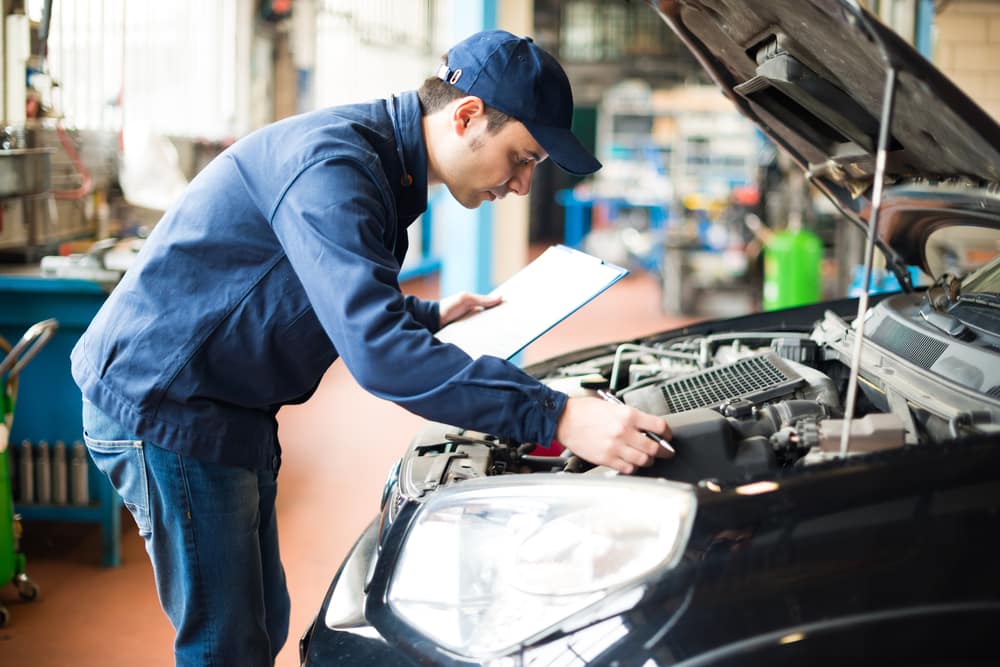
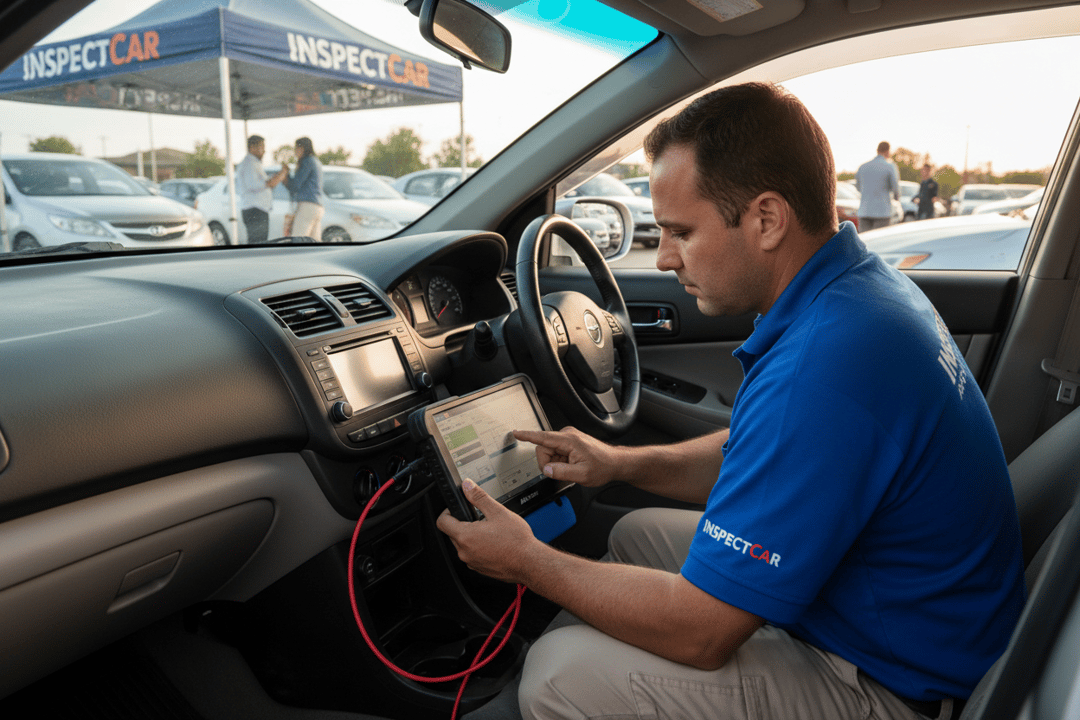
Given the complexity of diagnosing rack issues, relying on a experienced professional is essential for accurate assessment. The inspection process involves a multi-faceted approach, including checking the fluid's condition and level, inspecting the physical integrity of the boots and lines, and conducting a detailed road test. Services like those offered by AutoFay provide a thorough evaluation of the Power Steering system as part of a broader vehicle health check. With over 410+ checkpoints across 25 categories, including suspension, tires, and engine, a comprehensive inspection ensures no component is overlooked. AutoFay offers flexible on-location inspection across all 7 Emirates, bringing the inspection directly to the buyer or seller. Packages such as the Computer Diagnostic AED 99 or the Comprehensive AED 299 allow buyers to verify the mechanical health of a vehicle before purchase. By utilizing professional inspection services, owners can avoid the risks associated with hidden steering faults and ensure their vehicle handles correctly under UAE road conditions.
AutoFay inspects 410+ checkpoints with HD photos and PDF report. Book at autofay.ae or call +971542584458.


0 Comments
No comments yet. Be the first to share your thoughts!