

Generic OBD code P2 represents a distinct category of powertrain fault indicators defined by international standards. Unlike P0 and P1 codes, which are strictly universal, P2 codes are manufacturer-specific within the "Generic" framework. In the context of the UAE market, where vehicles endure high temperatures and stop-and-go traffic, these codes often point to complex interactions between the ECU (Engine Control Unit) and hardware components. Understanding these specific signals prevents unnecessary part replacement and highlights genuine mechanical faults that threaten vehicle longevity.
The Architecture of P2 Powertrain Codes
P2 codes usually indicate an issue with an input signal or an output command from the ECU. While the generic P0 codes cover fundamental system failures, the P2 series delves into the nuanced parameters of the engine's specific electronic architecture. For UAE car buyers, recognizing a P2 code signals that the vehicle's computer has detected deviation from the ideal operational parameters of the powertrain management system. These deviations can manifest as electrical faults, hydraulic failures, or mechanical inconsistencies that require professional attention.
Throttle Position Sensor (TPS) Malfunctions
The Throttle Position Sensor monitors the angle of the throttle plate inside the intake manifold. It tells the engine control unit how far the butterfly valve is open to regulate airflow. A P2 code related to the TPS indicates the computer is not receiving a consistent or expected signal. This often occurs when the sensor becomes dirty due to carbon buildup or when the electrical contacts oxidize from humidity and salt exposure prevalent in coastal Emirates like Dubai and Sharjah.
- Drivability Symptoms: Drivers may experience engine hesitation during acceleration or stalling when coming to a stop.
- Performance Impact: The vehicle may enter "limp mode," limiting engine power to prevent damage despite the lack of accurate throttle input.
- Throttle Body Contamination: In older vehicles, a failing TPS is frequently accompanied by a carbon-smeared throttle plate, which restricts airflow and causes erratic running.
Fuel Rail Pressure (FRP) Anomalies
Modern direct-injection engines rely on precise, high-pressure fuel pumps to atomize fuel for efficient combustion. A P2 code for Fuel Rail Pressure indicates the ECU is detecting pressure that is too low or too high compared to the target value. This sensor monitors the hydraulic pressure within the fuel rail, which fluctuates constantly with engine load and speed.
If the Fuel Rail Pressure regulator or the high-pressure pump itself fails, the consequences extend beyond the check engine light. Insufficient pressure results in a lean fuel mixture, causing the engine to overheat and potentially damage pistons or cylinder heads. Conversely, excessive pressure can force fuel into the combustion chamber during the wrong window, leading to severe detonation or catastrophic engine failure. Because the fuel system operates under extreme pressure, this is not a diagnosis that can be ignored without risking the engine's internal integrity.
Turbo Boost and EGR System Defects
For vehicles equipped with forced induction, P2 codes often relate to Turbo Boost pressure sensors or the Exhaust Gas Recirculation (EGR) system. The Boost Pressure Sensor measures the pressure of the compressed air entering the engine before combustion. If this sensor fails, the ECU cannot calculate the correct air-fuel ratio, leading to either a loss of power or a dangerously rich mixture that burns oil and emits black smoke.
EGR systems recirculate exhaust gas to reduce emissions and lower combustion temperatures. A P2 code here suggests the EGR valve is stuck open or the flow sensor is faulty. In the UAE, where temperatures are high, a malfunctioning EGR can cause the engine to overheat because the combustion temperature is not managed correctly. Furthermore, a stuck open valve can cause rough idling and stalling, rendering the vehicle undrivable until the valve is mechanically freed or replaced.
Variable Valve Timing (VVT) Failures
Variable Valve Timing systems adjust the opening times of the intake and exhaust valves to optimize efficiency across different engine speeds. A P2 code in this category suggests the camshaft position sensor or the VVT solenoid is failing to adjust the valve timing. In many modern engines, the camshaft phaser is hydraulically controlled by engine oil pressure.
If the VVT solenoid clogs with carbon or the oil pressure is insufficient, the engine timing will not adjust correctly. This causes the engine to run "out of time," resulting in a noticeable reduction in power and fuel economy. In severe cases, if the timing chain or belt is not properly tensioned due to a lack of oil pressure signals, the chain can jump teeth, causing the valves to strike the pistons. This results in valve stem bending and total engine replacement.
The Necessity of Comprehensive Inspection
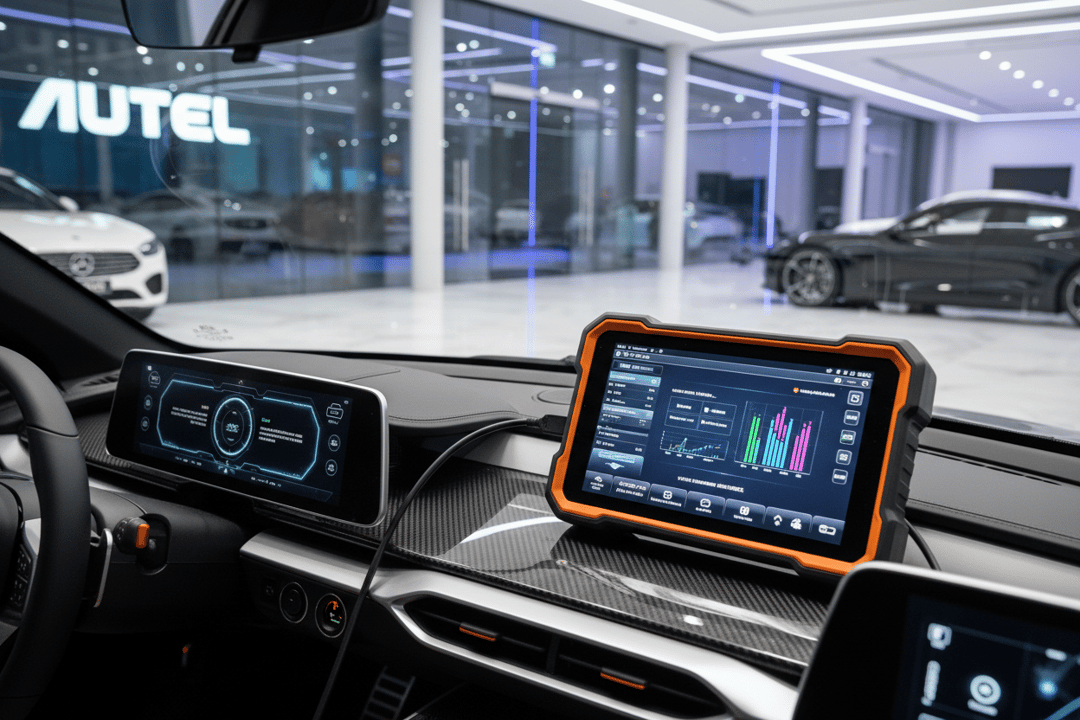
A diagnostic scan device reads the error codes, but it cannot physically verify the condition of the components triggering them. A P2 code for throttle position could indicate a broken wire, or it could simply mean the throttle body is covered in carbon. Relying solely on a code reader can lead to unnecessary expenditure on sensors that are actually functioning correctly. A professional inspection goes beyond the electronic data to verify the physical reality of the vehicle's condition.
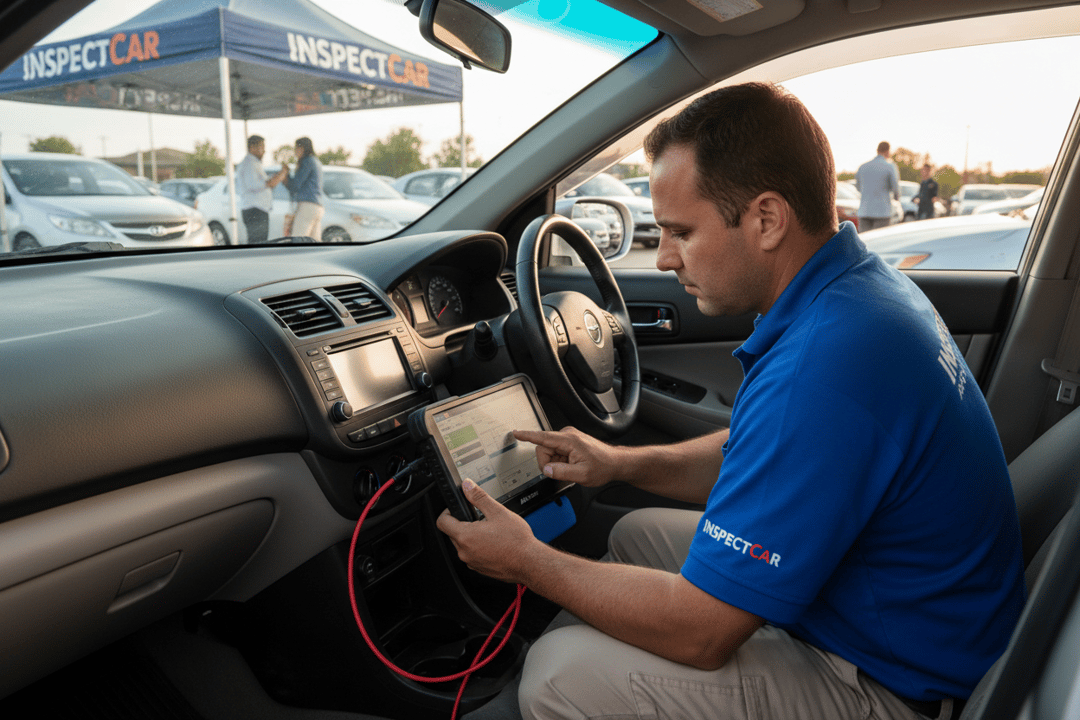
At AutoFay, we provide a on-location inspections covering all seven Emirates. Our inspection process utilizes a Computer Diagnostic scan to capture Engine, Transmission, ABS, and Airbag codes. However, we verify these codes against a 410+ checkpoint assessment across 25 distinct categories. We inspect the Engine for unusual sounds, smoke color, and mounting integrity. Our Road Test validates whether the acceleration and braking performance actually match the diagnostic data, ensuring the car drives as well as it reports.
| Diagnostic Package | Included Services | Best For |
|---|---|---|
| Computer Diagnostic | OBD scan (Engine, Transmission, ABS, Airbag) | Verifying check engine light origins quickly |
| Body & Computer | Paint inspection (panel-by-panel), Frame inspection, and Computer Diagnostic | Used car buyers assessing accident history and electronics |
| Comprehensive | Full 410+ checkpoints: Body, Frame, Engine sound/smoke, Brakes, Suspension, Tires, Fluids, Road Test, and Computer Diagnostic | Maximum assurance on safety and mechanical health |
We also meticulously examine the Fluids, checking levels and condition, and assess Tires for manufacturing date and wear. Our service provides HD photos and a detailed PDF report, giving buyers the transparency required to understand the true cost of ownership before finalizing a transaction.
Do not drive a vehicle with active P2 powertrain codes without verification. What appears to be a simple sensor error could be the precursor to expensive engine or turbocharger damage. Rely on professional inspection to distinguish between a wiring fault and a mechanical failure.
AutoFay inspects 410+ checkpoints with HD photos and PDF report. Book at autofay.ae or call +971542584458


0 Comments
No comments yet. Be the first to share your thoughts!