
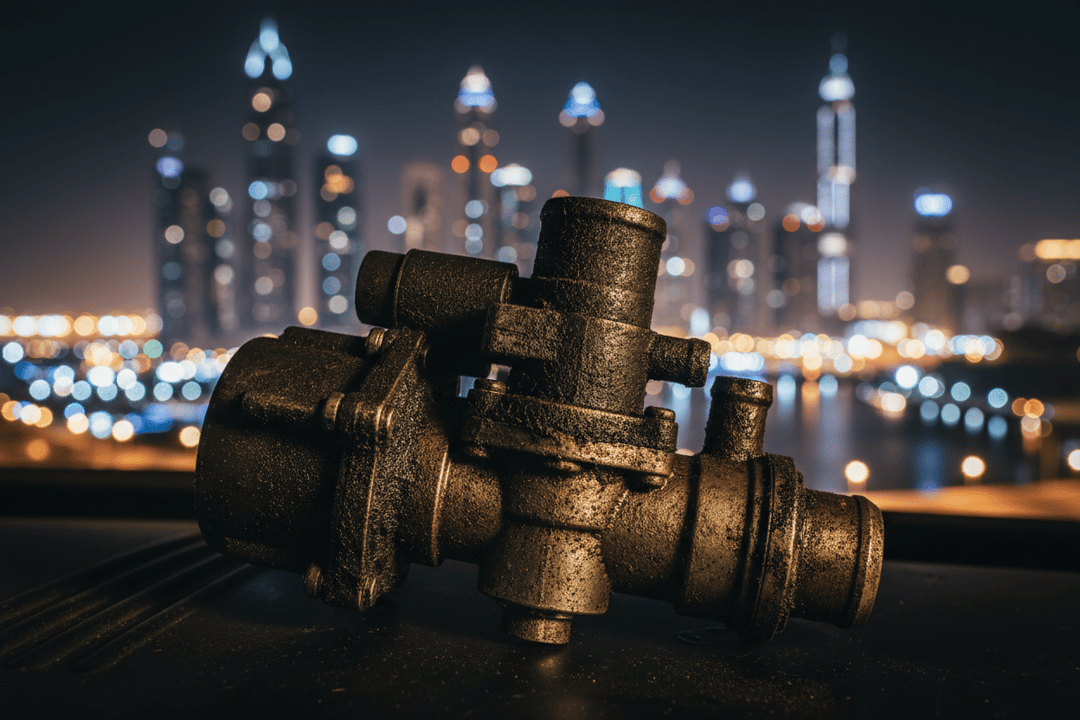
As a senior automotive journalist and certified vehicle inspector, I have evaluated thousands of vehicles across the Middle East. One component that consistently fails in this region is the Exhaust Gas Recirculation (EGR) valve. This device manages emissions by redirecting exhaust gases back into the combustion chamber to lower temperatures and reduce nitrogen oxide emissions. However, the extreme climate and driving conditions of the UAE make this component particularly vulnerable to premature failure. Understanding the mechanics of EGR failure is essential for vehicle longevity.
The Impact of UAE Stop-and-Go Traffic
Driving habits in the Emirates often involve prolonged periods of stop-and-go traffic, particularly in the mornings and evenings. This driving style creates a specific mechanical stressor on the EGR valve. When a vehicle idles for extended periods, the engine runs at lower temperatures. This thermal environment promotes the incomplete combustion of fuel, which creates a residue known as carbon. As this carbon deposits accumulate on the EGR valve pintle and passages, the valve becomes sluggish or completely sticks in the open or closed position.
- Prolonged Idling: Staying stationary for hours allows carbon to bake onto the valve.
- Heat Retention: Dubai’s ambient heat compounds the thermal stress on engine components.
- Low Load: City driving places less demand on the engine, reducing the natural cleaning effect of high exhaust gas volume.
Carbon Buildup: The Silent Mechanical Failure
Carbon buildup is the primary cause of EGR valve malfunction in modern vehicles. The valve operates by opening and closing a tiny port to allow a precise amount of exhaust gas into the intake manifold. Over time, soot deposits physically obstruct this port. If the valve cannot close properly, excess exhaust gas enters the combustion chamber, diluting the air-fuel mixture. This causes the engine to run lean, leading to overheating and potential damage to catalytic converters. Conversely, if the valve sticks open, it can cause severe hesitation, stalling, or a complete loss of power during acceleration.
Inspectors must look for visual evidence of this soot during a standard inspection. A valve covered in black, oily residue indicates a severe carbon issue that requires immediate attention.
Symptoms Indicating EGR Failure
Recognizing the symptoms of EGR failure is critical for preventing catastrophic engine damage. A driver might notice the vehicle shaking or vibrating when stopped at a red light, a condition known as rough idle. Another common indicator is the illumination of the check engine light. While this light can point to many issues, specific OBD codes often point to the EGR system. Drivers may also experience a jerking sensation during acceleration as the engine struggles to manage the improper air-fuel ratio caused by the malfunctioning valve.
- Rough Idle: Vibration felt through the steering wheel or seat at traffic lights.
- Check Engine Light: The dashboard warning light illuminating.
- Engine Misfires: A distinct hesitation or jerk when pressing the gas pedal.
- Increased Fuel Consumption: The engine works harder to maintain the same speed.
Inspection Criteria: What Inspectors Check
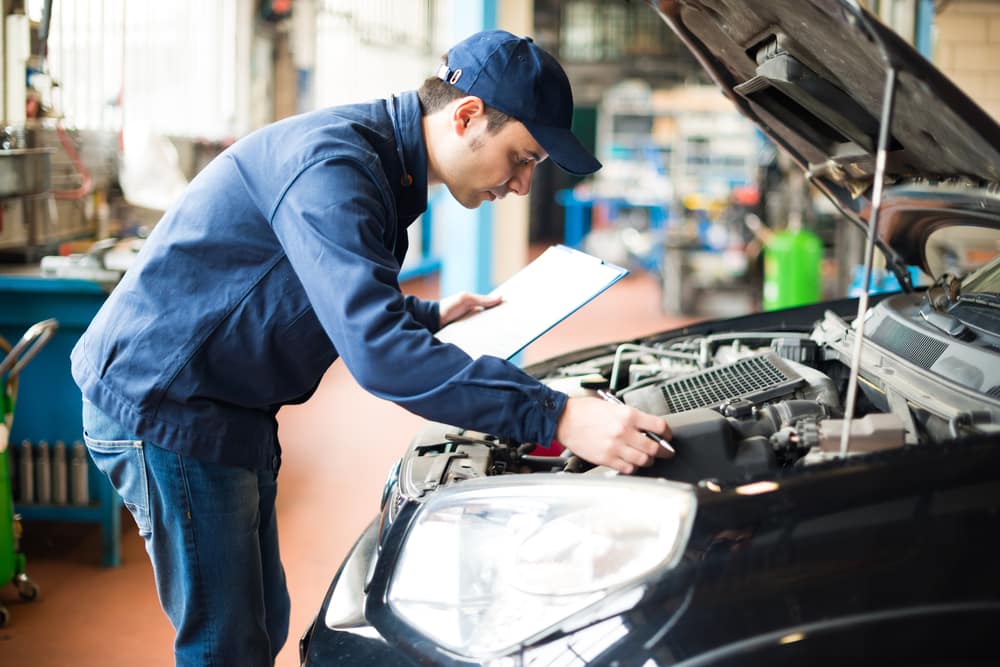
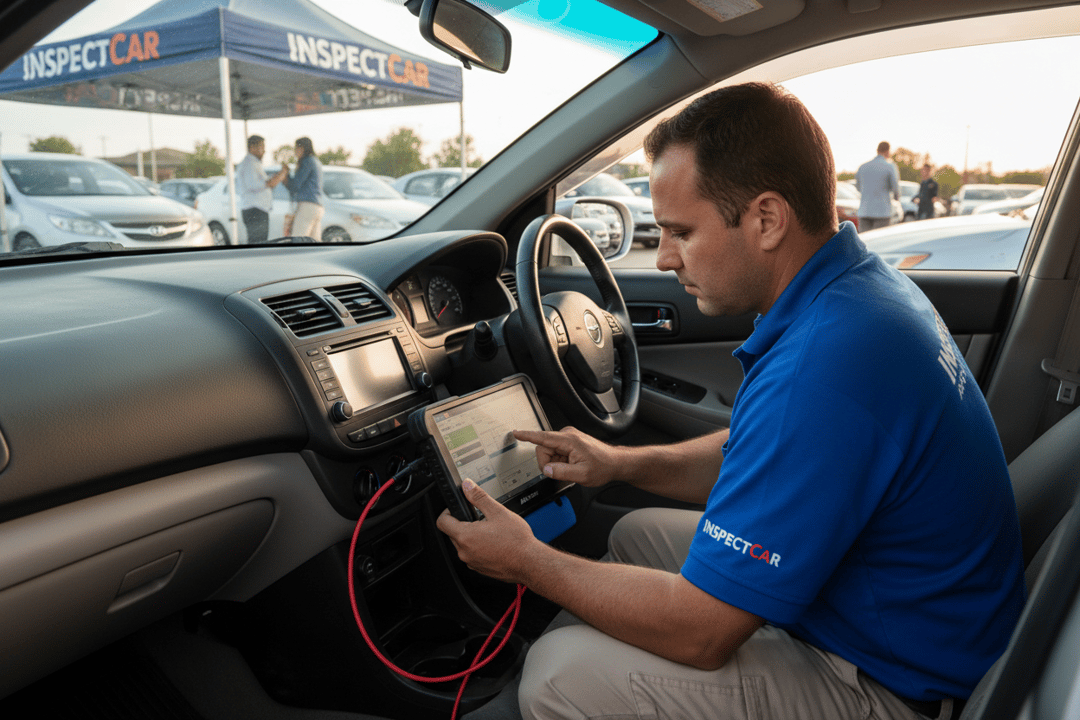
A thorough inspection of the EGR valve involves more than just visual observation. A experienced inspector will perform a computer diagnostic scan to retrieve error codes stored in the Engine Control Unit (ECU). This helps pinpoint whether the issue is electrical, mechanical, or a result of vacuum leaks. The technician will then physically inspect the valve for carbon clogs. In some cases, the valve may appear clean but fail a functional test due to internal damage, such as a cracked diaphragm or a burnt sensor.
| EGR Valve Condition | Observed Symptom | Underlying Consequence |
|---|---|---|
| Severe Carbon Buildup | Stalling at idle, rough vibration | Engine overheating and catalytic converter damage |
| Valve Stuck Open | Loss of power, hesitation | Engine knocking and potential engine failure |
| Electrical Failure | Check engine light, erratic idle | Intake manifold vacuum leaks and fuel system imbalance |
Preventive Maintenance and Replacement
Preventative maintenance is the most cost-effective strategy for dealing with EGR issues. In mild cases, a professional cleaning of the valve and intake manifold can restore functionality. However, in the UAE climate, carbon buildup occurs at an accelerated rate. Replacement of the valve is often necessary every 60,000 to 100,000 kilometers, depending on fuel quality and driving habits. Attempting to clean a valve that is mechanically seized can result in snapping the valve stem, which requires removing the cylinder head—a repair that is significantly more expensive and time-consuming than a standard valve replacement.
Ignoring an EGR fault can lead to a domino effect of failures. A lean running engine can damage oxygen sensors and spark plugs, leading to a much higher total repair bill.
Why Comprehensive Vehicle Inspections Matter
Because the EGR valve is interconnected with the fuel and air systems, it is often masked by other symptoms. A simple visual inspection of the engine bay might reveal an oil leak or a worn belt, distracting from the root cause of the vibration. A comprehensive inspection service provides a holistic view of the vehicle's health. This is where modern inspection services provide value by integrating computer diagnostics with physical inspections.
For example, a service package including a computer diagnostic scan can quickly identify EGR-related error codes. This data provides the evidence necessary to decide between a simple cleaning or a full replacement. Without this data, vehicle owners might waste money replacing parts that are not at fault.
At AutoFay, we focus on delivering precise data through over 410+ checkpoints across 25 categories. We understand that in the UAE market, a vehicle’s value is tied directly to its mechanical condition. Our inspection process covers the engine, including the sound, mounts, and exhaust smoke color, alongside critical systems like brakes and suspension.
Vehicle owners facing uncertainty should consider a professional evaluation. A computer diagnostic check is an affordable starting point to rule out EGR-related errors. For a more detailed assessment of the vehicle's overall condition, including potential carbon buildup issues in other engine components, a comprehensive inspection package offers the necessary depth.
Investing in a professional inspection prevents the progression of minor faults into major engine repairs. The cost of a diagnostic scan is negligible compared to the cost of replacing a catalytic converter or repairing a damaged engine block.
AutoFay inspects 410+ checkpoints with HD photos and PDF report. Book at autofay.ae or call +971542584458.


0 Comments
No comments yet. Be the first to share your thoughts!