
The drive belt, often referred to as the serpentine belt, is a single continuous piece of rubber that transfers rotational energy from the engine’s crankshaft to essential accessories. In the context of the United Arab Emirates, this component faces a unique set of challenges due to extreme heat and high engine loads. A compromised belt does not just cause an annoying noise; it can lead to complete engine failure if it snaps while the vehicle is in motion. Understanding the signs of wear and the specific risks associated with the local climate is critical for vehicle longevity. This guide provides a technical breakdown of drive belt inspection, focusing on visual cues, system interdependencies, and the consequences of neglect.
Visual Indicators of Drive Belt Degradation
Regular visual inspection is the first line of defense against drive belt failure. A mechanic must look beyond the surface tension and examine the material integrity of the belt. Over time, the rubber compounds degrade due to oxidation and friction, leading to visible physical changes that compromise the belt's ability to grip pulleys.
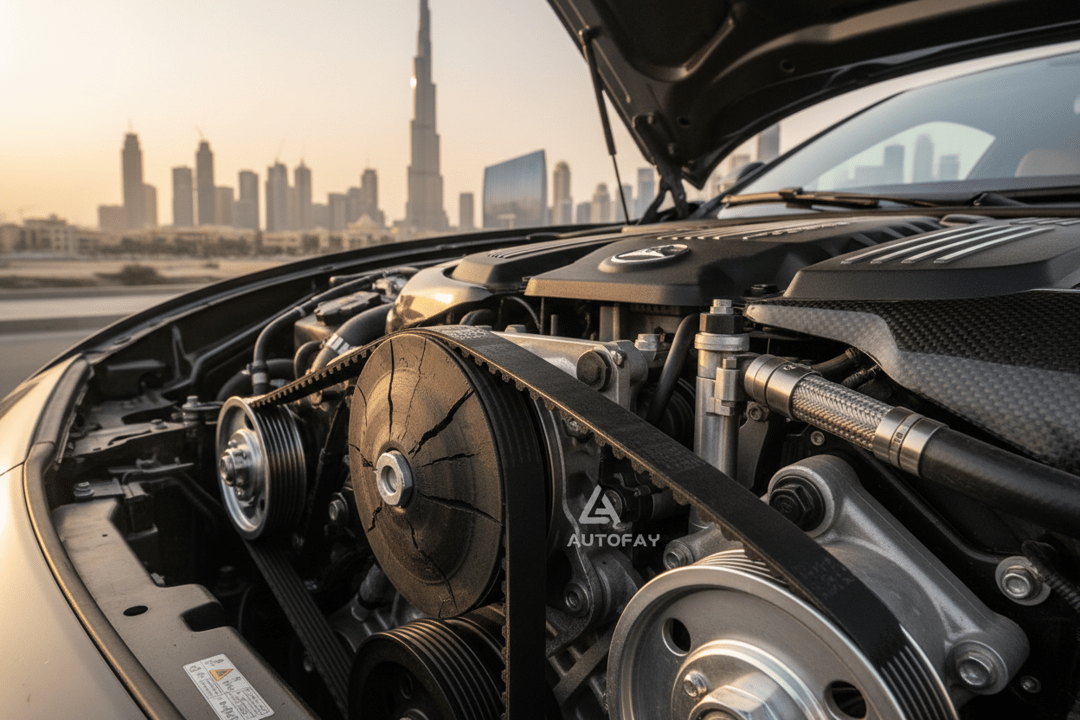
One of the most obvious signs of wear is the presence of cracks. These cracks can appear on the ribs (grooves) of the belt or along the edges. Cracks on the ribs indicate that the material has lost its elasticity and can no longer maintain proper contact with the pulleys, causing slippage. Edge cracks often suggest that the belt is misaligned or that the pulleys are worn, which accelerates the breakdown of the belt's structural integrity.
Another critical visual cue is glazing. When a belt slips, the friction generates heat that can cause the rubber on the ribs to become shiny and hard. A glazed belt has a glass-like appearance and a reduced coefficient of friction, meaning it will struggle to turn the connected accessories efficiently. Additionally, fraying or "chunking" of the belt, where small pieces of rubber are torn away, signals that the belt is nearing the end of its service life and must be replaced immediately to prevent significant failure.
- Cracks on the ribs: Signifies loss of elasticity and grip.
- Glazed surface: Indicates slipping and overheating from friction.
- Fraying or chunks missing: Suggests imminent structural failure.
- Crazing: Fine network of cracks on the surface due to age and heat.
The Linkage: AC, Power Steering, and Alternator Dependencies
The drive belt is the primary mechanical link that allows the engine to power multiple auxiliary systems simultaneously. If the belt fails, these systems cease to function, often without warning. The consequences of a snapped belt vary depending on which accessories are connected, ranging from a minor inconvenience to a severe safety hazard.
The alternator is the most critical component driven by the belt. Its primary function is to recharge the battery and power the vehicle's electrical systems. If the belt breaks, the alternator stops generating electricity, causing the battery to drain rapidly. This results in a dead battery and the loss of power steering, which relies on an electric motor in modern vehicles. Without power steering, steering becomes heavy and difficult to maneuver, especially at low speeds or in traffic.
The air conditioning compressor is also driven by the same belt. A broken belt renders the AC system completely non-functional, forcing the driver to rely on the engine's natural airflow for cooling in the sweltering UAE climate. Furthermore, the water pump, which circulates coolant through the engine, is typically belt-driven. A failed water pump leads to immediate engine overheating, which can cause severe warping of the cylinder head or engine block seizure if the driver continues to operate the vehicle.
| Accessory | Function | Consequence of Belt Failure |
|---|---|---|
| Alternator | Recharges battery and powers electronics | Dead battery, loss of power steering, electrical failure |
| Water Pump | Circulates coolant to prevent overheating | Immediate engine overheating and potential seizure |
| AC Compressor | Compresses refrigerant for cabin cooling | Loss of air conditioning, increased cabin temperature |
| Power Steering Pump | Provides hydraulic assist for steering | Steering becomes extremely heavy and difficult |
The Impact of UAE Climate on Belt Life
The operating environment in the UAE significantly shortens the lifespan of a drive belt compared to temperate climates. The ambient temperatures often exceed 45 degrees Celsius for extended periods, placing constant thermal stress on the rubber compounds. Heat accelerates the chemical breakdown of the belt material, causing the rubber to harden and become brittle long before the actual mileage limit is reached.
Additionally, the high humidity and occasional sandstorms can introduce abrasive particles into the engine bay. If a belt is exposed to grit or oil leaks from other components, it can become contaminated. Oil contamination degrades the rubber, causing it to swell, crack, or fray prematurely. The tensioner pulley, which keeps the belt tight, is also affected by heat. As metal components expand in the heat, the tensioner may lose its ability to maintain optimal pressure, leading to a loose belt that squeals on startup and accelerates wear.
Diagnosing Squealing and Noise Issues
A squealing noise upon startup is a common complaint among UAE drivers and is often the first warning sign of a developing belt issue. This sound typically occurs when the engine is cold and the rubber is at its stiffest, or when the alternator is suddenly loaded, such as when turning on the headlights or the AC compressor engages. The noise is caused by the belt slipping on the pulley surface due to lack of tension or glazing.
While a loose belt or misalignment can cause squealing, it can also indicate a failing tensioner or a pulley bearing. A worn tensioner may not be able to apply enough force to keep the belt taut, leading to slippage. A seized pulley bearing will cause a grinding or howling noise rather than a squeal, but it will still result in the belt slipping and eventually shredding. Distinguishing between a noise caused by the belt itself and one caused by the accessories requires a trained ear and a hands-on inspection.
The Value of Professional Inspection
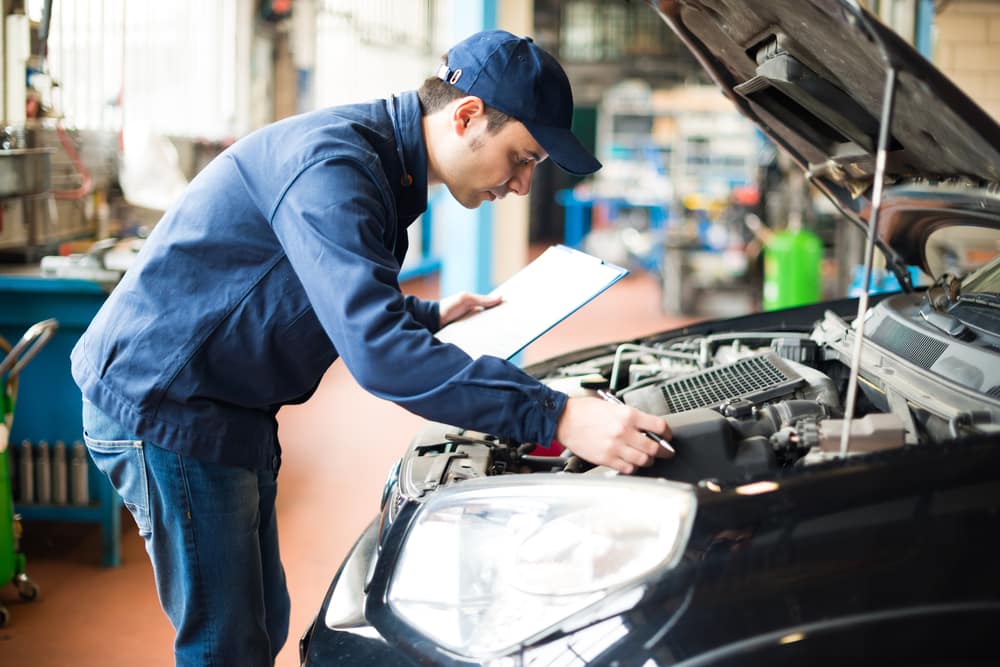
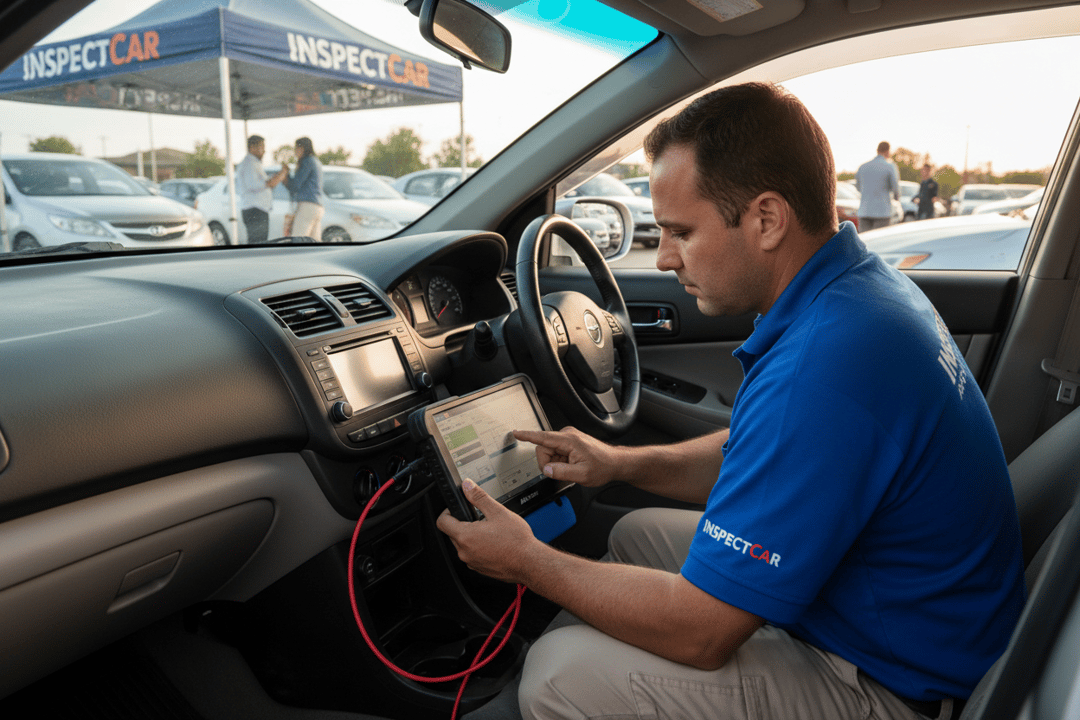
While a visual inspection is a good starting point, it often misses internal damage or subtle tensioner faults. Professional vehicle inspection services utilize experienced inspectors who understand the specific failure points of vehicles in the region. AutoFay provides comprehensive on-location inspection services across the UAE, allowing vehicle owners to have their cars evaluated at their location without the need to visit a workshop.
For a quick electronic assessment of the engine's health and potential fault codes related to charging systems, the Computer Diagnostic package is available for AED 99. This service scans the On-Board Diagnostics system to identify if there are any electrical faults that might be stress-testing the belt. For a more thorough evaluation of the engine bay, the Body & Computer package at AED 250 covers a broad range of checks, including engine sound, mount integrity, and smoke color analysis.
For complete peace of mind, the Comprehensive package at AED 299 is the most robust option. This service includes a 410+ checkpoint inspection across 25 categories, ensuring that the drive belt tension, pulley alignment, and condition of all linked components are scrutinized. The resulting report includes HD photos and a detailed document, allowing the vehicle owner to make informed decisions about maintenance. Engaging a professional service ensures that the root cause of any noise or wear is identified rather than simply replacing the belt and hoping the issue resolves itself.
AutoFay inspects 410+ checkpoints with HD photos and PDF report. Book at autofay.ae or call +971542584458


0 Comments
No comments yet. Be the first to share your thoughts!