
The extreme temperatures and high humidity of the UAE climate place immense stress on automotive components, making the drive belt system a critical area of focus during vehicle acquisition. For prospective buyers, identifying a failing drive belt before finalizing a purchase prevents unexpected mechanical failures and costly downtime. This component, often referred to as the serpentine belt, is responsible for driving multiple peripheral devices in the engine bay, including the alternator, power steering pump, air conditioning compressor, and water pump. Neglecting this system can lead to a cascade of failures, but recognizing the early warning signs allows for a thorough pre-purchase inspection.
The Role of the Serpentine Belt in the UAE Climate
The serpentine belt operates in a high-friction environment where heat and constant tension are the norm. Unlike older V-belts that required manual adjustment, modern serpentine belts are driven by an automatic tensioner that maintains consistent pressure. In the harsh UAE summer, the heat accelerates the degradation of rubber compounds and the lubricants within the belt's internal reinforcement. Understanding the specific function of this belt helps inspectors prioritize its condition, as it is the central link between the engine's mechanical power and the vehicle's critical auxiliary systems.
Visual Indicators of Wear and Tear
A preliminary visual inspection offers the first line of defense against a compromised belt. The belt material, typically a rubber composite reinforced with fiberglass or Kevlar, exhibits specific physical changes as it ages. Inspectors must look for signs of fraying, where the edges of the belt begin to fray like a rope, indicating that the internal structure is breaking down. Glazing is another critical visual cue; this appears as a shiny, smooth sheen on the belt surface caused by heat and friction, signifying that the rubber has lost its grip on the pulleys.
- Crazing: The appearance of small, hairline cracks radiating from the inner ribs of the belt, which compromises structural integrity.
- Missing Teeth: On ribbed belts, missing chunks of rubber can cause the belt to slip or fail to engage the pulley effectively.
- Oil or Coolant Contamination: Leaks from surrounding components, such as the water pump or power steering pump, can cause the belt to swell, crack, or slip.
Auditory Warning Signals During the Road Test
Abnormal noises emanating from the engine bay are often the most immediate indicator of drive belt distress. While a squeal can sometimes be caused by a loose belt, it is frequently the result of a failing tensioner or pulley bearing. A rhythmic squeaking sound under acceleration usually suggests that the belt is slipping due to glazing or contamination. Conversely, a screeching noise that occurs immediately after starting the engine points to a cold, dry belt that requires tension adjustment or replacement. A professional road test isolates these sounds from road noise, providing a clear diagnosis of the accessory drive system.
The Connection Between Drive Belts and Electrical Systems
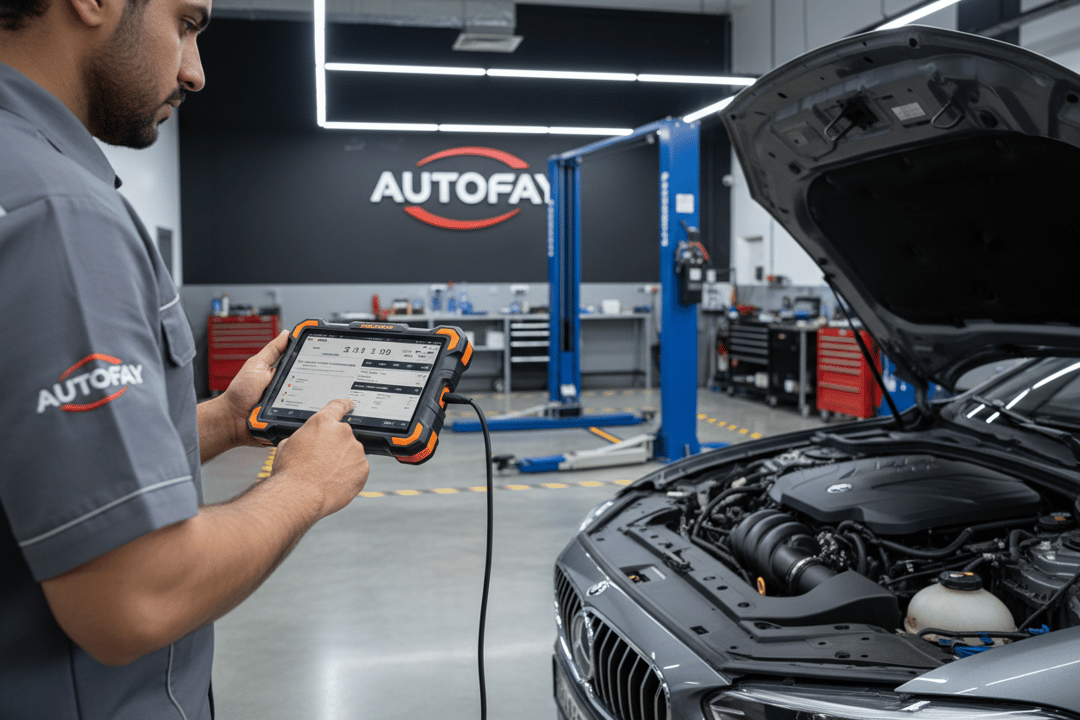
The drive belt powers the alternator, which is responsible for recharging the battery and powering the vehicle's electrical systems while the engine runs. A failing belt fails to drive the alternator efficiently, leading to a rapid drop in battery voltage. This results in dimming headlights, flickering dashboard electronics, and a battery warning light on the dashboard. Connecting an On-Board Diagnostics (OBD) scanner can reveal specific codes related to charging system failures that may not be immediately visible during a visual inspection.
Consequences of Belt Failure
The failure of a serpentine belt results in the immediate loss of power to all auxiliary components. Without the water pump, the engine overheats rapidly, leading to potential head gasket failure. The loss of power steering makes steering the vehicle difficult and dangerous, especially at low speeds, while the air conditioning compressor stops, rendering the cabin climate control useless. In severe cases, if the vehicle has an interference engine design and the timing belt (which is a separate component) fails, catastrophic internal engine damage can occur. Detecting these issues before purchase is essential to avoid these severe consequences.
Professional Inspection Standards and Packages
Distinguishing between a cosmetic issue and a critical failure requires a comprehensive approach that goes beyond casual observation. A professional inspection service evaluates the belt tensioner as a critical component, as the belt relies entirely on the tensioner's spring mechanism to maintain the correct gap. Inspectors also assess the condition of the pulleys for alignment issues or bearing wear that could cause the belt to fray prematurely. Utilizing specialized equipment ensures that hidden issues are identified before they escalate into a roadside emergency.
For a detailed assessment of the engine bay and drivetrain, specialized inspection packages are available. The Computer Diagnostic service for AED 99 scans for stored error codes related to the charging system and electronic controls, confirming whether the belt is the root cause of electrical faults. For a more thorough evaluation, the Body & Computer package at AED 250 integrates visual checks of the engine bay with diagnostic data. The most comprehensive option, the Comprehensive package at AED 299, covers the entire vehicle, including the Road Test, Fluids, Suspension, and Tires, ensuring that the drive belt system is functioning correctly within the broader context of vehicle health.
| Inspection Category | Key Focus for Drive Belts | Recommended Package |
|---|---|---|
| Engine & OBD Scan | Checks for charging system codes and noise levels. | Computer Diagnostic (AED 99) |
| Body & Computer | Visual inspection of belt condition and accessory pulleys. | Body & Computer (AED 250) |
| Comprehensive | Full Road Test, fluid levels, and frame integrity checks. | Comprehensive (AED 299) |
Reliable inspection services in the UAE send inspectors to the vehicle, allowing experienced inspectors to visit the buyer or seller at a convenient location across all seven Emirates. These experts utilize over 410+ checkpoints across 25 categories, including a detailed review of the engine's accessory drive system. By verifying the manufacturing year and wear of tires and checking fluid conditions, inspectors ensure that no component, including the drive belt, is overlooked. A thorough inspection provides the necessary documentation to negotiate a fair price or decline a vehicle with latent defects.
Identifying drive belt failure signs is an essential skill for buyers in the UAE market. The combination of visual checks, auditory analysis, and diagnostic scanning provides a complete picture of the vehicle's health. Relying on professional inspection services ensures that minor wear is distinguished from critical failure, protecting the buyer from expensive repairs. Expert assessment is the standard for ensuring vehicle reliability in a demanding climate.
AutoFay inspects 410+ checkpoints with HD photos and PDF report. Book at autofay.ae or call +971542584458




0 Comments
No comments yet. Be the first to share your thoughts!