

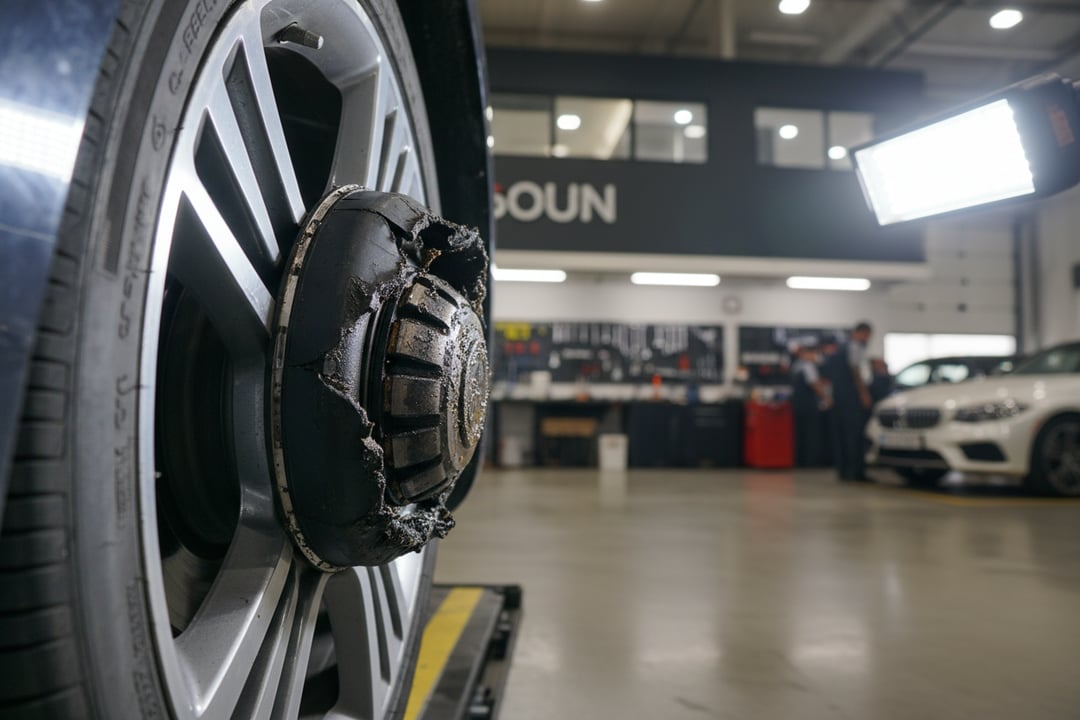
The United Arab Emirates presents a unique challenge for vehicle longevity, characterized by extreme heat, abrasive desert sand, and stop-and-go traffic in major cities like Dubai and Abu Dhabi. Among the myriad components that endure this stress, the Constant Velocity (CV) joint stands as a critical link in the drivetrain. The CV joint transfers power from the transmission to the wheels while allowing the shaft to bend during steering. When this component fails, it often happens without warning, leading to sudden vehicle immobilization or compromised handling. Detecting these issues before completing a transaction is essential for avoiding expensive repairs down the line.
The Anatomy of the CV Joint
The CV joint is located at both ends of the driveshaft, housing a series of ball bearings within a rigid metal casing. This internal assembly distributes power smoothly, regardless of the angle at which the wheels are turning. However, the joint requires a constant supply of high-quality grease to keep friction levels low and the metal components from grinding together. In the UAE’s harsh environment, temperature fluctuations can alter the viscosity of this grease, while sand particles entering the joint through small imperfections can act as abrasive grit, accelerating wear on the bearings.
There are two primary types of CV joints: the ball joint or Rzeppa joint, typically found on the axle shafts, and the tripod joint, usually integrated into the inner assembly near the transmission. The outer joint is designed to accommodate steering angles, while the inner joint manages the up-and-down motion of the suspension. Both are exposed to high torque loads, making them susceptible to fatigue over time. Understanding the location of these joints allows a buyer to focus their inspection efforts on the areas most likely to show signs of distress.
Audio Clues: The Clicking Sound
The most definitive warning sign of a failing CV joint is a distinctive clicking or popping noise. This sound often emanates from the front wheels and becomes particularly pronounced during specific driving maneuvers. If the noise increases in frequency when the vehicle is turning left or right, it indicates that the outer CV joint is compromised and the metal balls are no longer seated correctly. This sound occurs because the joint cannot maintain constant velocity, resulting in a mechanical "clunk" as the load shifts during cornering.
Listen for this noise during a test drive, specifically when accelerating from a stop or taking a sharp turn onto a ramp. A healthy CV joint operates silently, utilizing the lubricant to dampen the movement of the balls. As the joint wears, the retaining clips or the cage itself may fail, allowing the balls to rattle inside the joint. This internal play transfers kinetic energy into audible sound waves, signaling that the component requires immediate replacement to prevent total failure.
Visual Indicators: The Damaged Boot
While the sound is a clear symptom, the visual condition of the CV joint is often easier to spot during an initial walk-around of the vehicle. Each CV joint is protected by a rubber boot, which acts as a barrier against dirt, moisture, and debris. Over time, this boot can crack, tear, or dry rot due to exposure to UV radiation and extreme temperatures common in the Emirates. Once the integrity of the boot is breached, the vital grease escapes rapidly, and contaminants enter the joint.
Inspect the rubber boots on both the inner and outer CV joints. A healthy boot should appear pliable, free of cracks, and tightly secured with metal clamps. If you notice torn rubber or a shiny, wet substance dripping from the joint area, the joint has likely been compromised for some time. This substance is usually thick, black, or red grease. Once the lubrication is lost, the metal surfaces grind together, leading to a clicking sound and eventual seizing of the driveshaft.
Vibration and Drivetrain Imbalance
As the internal components of a failing CV joint wear down, the imbalance increases, often resulting in physical vibration felt by the driver. These vibrations typically manifest through the steering wheel, the floorboards, or the seat. A shuddering sensation felt through the pedals during acceleration indicates that the outer joint has worn unevenly, preventing smooth power transfer to the wheels. This vibration is a result of the ball bearings no longer maintaining a fixed radius, causing the joint to wobble as torque is applied.
Additionally, excessive vibration can mask other suspension issues, making it difficult to diagnose the root cause without a professional. A worn CV joint can also cause the vehicle to vibrate at higher speeds, not only during acceleration but also during cruising. This is because the drivetrain is no longer rotating smoothly, and the energy is being dissipated through the chassis rather than being used for propulsion. Addressing this vibration early prevents further damage to the differential, driveshaft, and tires.
The Consequences of Ignoring Joint Failure
Driving on a failing CV joint poses significant safety risks and leads to cascading mechanical failures. If the joint completely disintegrates, the wheels may lose power, leaving the vehicle stranded in a dangerous location. Even before total failure, a damaged joint can cause the axle to become misaligned, leading to premature tire wear and uneven tread patterns on the front wheels. In the UAE, where vehicles spend long periods idling in traffic, a failing joint can also lead to overheating of the transmission fluid due to the added friction and drag.
The repair process for a failed CV joint involves removing the axle assembly, replacing the joint or the entire shaft, and repacking fresh grease. Furthermore, if the inner joint fails, the damage can be catastrophic, leading to the transmission falling out of the vehicle. Relying on a professional automotive inspection service eliminates the guesswork associated with these complex drivetrain issues. A experienced inspector can differentiate between a minor grease leak caused by a cracked boot and a joint that has already suffered catastrophic metal-on-metal wear.
Professional Detection Through Comprehensive Inspection
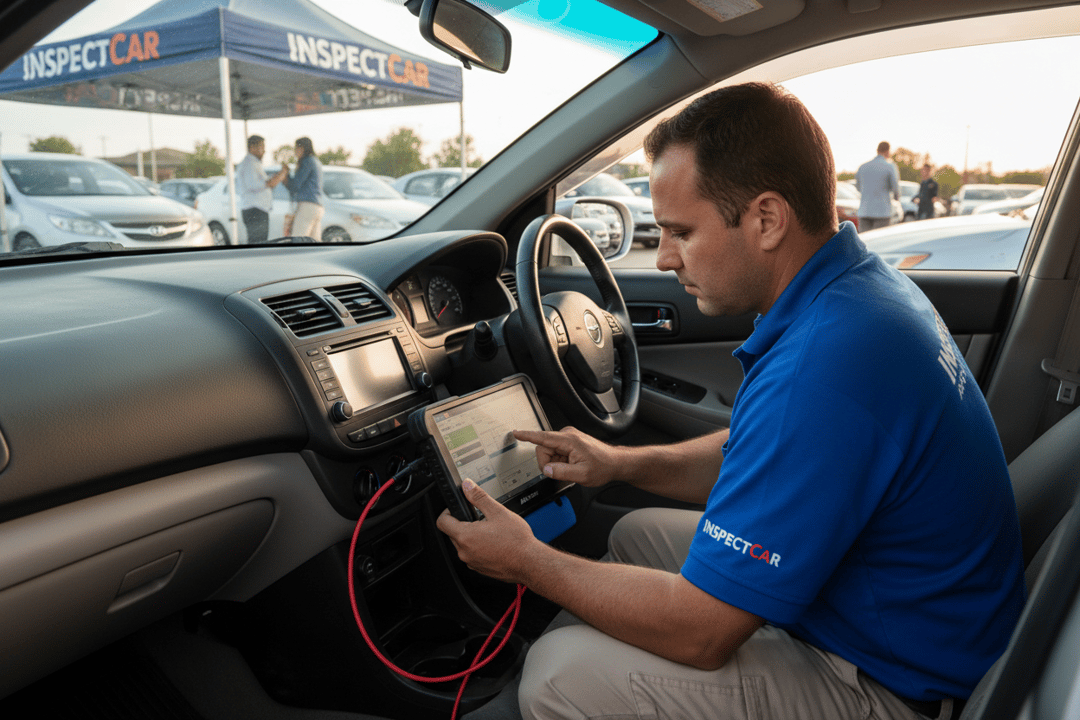
Determining the health of the CV joints requires more than just a visual check; it demands a dynamic road test and a thorough examination of the suspension system. At AutoFay, we utilize a rigorous inspection protocol that goes beyond surface-level observations. Our experienced inspectors perform a detailed **Road Test** to identify NVH (Noise, Vibration, and Harshness) issues that static inspection cannot reveal. We also evaluate the **Suspension** components to ensure the CV joints are mounted correctly and that the axle housing is free of bends or cracks.
Our on-location package covers all seven Emirates, bringing the inspection directly to the buyer or seller's location. We analyze over 410+ checkpoints across 25 categories to provide a complete picture of the vehicle's condition. This thoroughness ensures that hidden drivetrain issues are identified before the purchase is finalized. By utilizing our professional services, buyers avoid the substantial financial burden of unexpected repairs and ensure the mechanical integrity of their investment.
| Inspection Package | Features | Value Proposition |
|---|---|---|
| Computer Diagnostic | Engine, transmission, ABS, and airbag code scanning. | Identifies stored error codes that may point to electrical faults affecting related sensor systems. |
| Body & Computer | Panel-by-panel paint analysis plus full engine diagnostics. | Combines aesthetic assessment with mechanical health, ensuring no compromise on safety or appearance. |
| Comprehensive | Includes Body, Computer, Brakes, Tires, Frame, Engine, Suspension, Fluids, and Road Test. | The highest level of scrutiny for drivetrain and structural integrity, covering every critical system. |
Selecting the Right Inspection Strategy
Investing in a professional inspection is the only way to objectively assess the condition of the CV joints and the overall vehicle. Attempting to diagnose complex drivetrain issues without proper tools and training can lead to false positives or missed defects. The differences between a minor repair and a major engine swap often hinge on the early detection of CV joint wear. AutoFay offers transparent pricing with no hidden fees, making professional inspection accessible to all buyers.
For a baseline check, our Computer Diagnostic service for AED 99 can identify electronic errors that may correlate with drivetrain malfunctions. For a more detailed assessment of the CV joints, brakes, and frame, the Body & Computer package at AED 250 provides a comprehensive overview. However, for the most complete assurance—covering the **Engine**, **Brakes**, **Tires**, and a full **Road Test**—the Comprehensive package at AED 299 is the optimal choice. This package ensures that the vehicle is roadworthy and that no component, from the suspension to the frame rails, has been overlooked.
CV joint failure is a preventable disaster that turns a simple vehicle purchase into a costly ordeal. By understanding the warning signs—clicking noises, torn boots, and vibrations—buyers can better communicate their concerns to inspectors. Ultimately, the distinction between a reliable vehicle and a money pit lies in the thoroughness of the pre-purchase inspection. Trust the experts at AutoFay to uncover the truth behind the vehicle's history and ensure a safe purchase.
AutoFay inspects 410+ checkpoints with HD photos and PDF report. Book at autofay.ae or call +971542584458




0 Comments
No comments yet. Be the first to share your thoughts!