
The used car market in the UAE operates heavily on private transactions through platforms like Dubizzle. Sellers often list vehicles with optimistic terminology that may not reflect the mechanical reality. Forging a deal based solely on a listing photo or a verbal description carries significant financial risk. A professional inspection provides an unbiased, data-driven view of the vehicle’s condition. This step is essential to prevent the purchase of a vehicle with hidden structural or mechanical defects.
Step 1: Pre-Meeting Due Diligence
Before contacting a seller, the buyer must gather all available information about the vehicle. Locate the Vehicle Identification Number (VIN) on the dashboard and the driver’s side door jamb. The VIN is the unique fingerprint of the car and allows for the retrieval of service history. Request the seller provide the full service history and any previous inspection reports. Lack of maintenance records often indicates the owner neglected repairs or hid damage.
Verify the odometer reading against the vehicle’s condition. A high mileage car should show signs of wear, such as worn steering wheels or driver seat bolsters. If a ten-year-old car shows almost no wear despite high mileage, the odometer may have been tampered with. Always cross-reference the description on the listing with the physical condition of the vehicle before scheduling a visit.
Step 2: Selecting the Appropriate Inspection Package
Not all vehicles require the same level of scrutiny. A newer model may only need a diagnostic check, while an older vehicle requires a comprehensive structural analysis. Choosing the correct package ensures that the inspection covers the specific risks associated with the car's age and mileage. AutoFay offers three distinct packages tailored to different inspection needs.
Selecting a lower package for a high-risk vehicle leaves the buyer vulnerable to expensive surprises later. Conversely, choosing the highest package for a brand-new vehicle is unnecessary. The goal is to match the inspection depth to the vehicle's history and age.
Step 3: Verifying Body, Paint, and Frame Integrity
The exterior of the car tells the story of its collision history. Inspectors use paint thickness gauges to measure the layers of paint applied to the panels. Original factory paint has a specific thickness, while repairs add layers that change the reading. Discoloration around the edges of panels suggests the car has been repainted after an accident.
Rust is a common issue in the UAE's coastal climate. Inspectors check the sills, the boot floor, and the wheel arches for rust. Rust on the frame rails or pillars compromises the structural safety of the vehicle. Any significant body damage or frame straightening requires a detailed report to understand the extent of the repairs.
Step 4: Assessing Undercarriage and Suspension
The underside of the vehicle is often the first place hidden damage appears. Inspectors check the subframe and frame rails for straightness. Any bending in these structural members indicates a major accident. They also inspect the floor pan for rust or uneven welding marks.
Suspension components absorb shocks and ensure the vehicle handles safely. Inspectors check for worn shocks, broken springs, or leaking struts. Unusual noises during a road test often originate from the suspension system. A failed suspension inspection will result in an unstable ride and potential difficulties passing the Ministry of Transport (MoT) test.
Step 5: Mechanical Verification and Engine Performance
The engine is the heart of the vehicle. Inspectors start the engine cold to listen for abnormal noises. Knocking sounds can indicate a blown head gasket or internal engine damage. They check the exhaust smoke color; blue smoke indicates burning oil, while white smoke indicates coolant leakage.
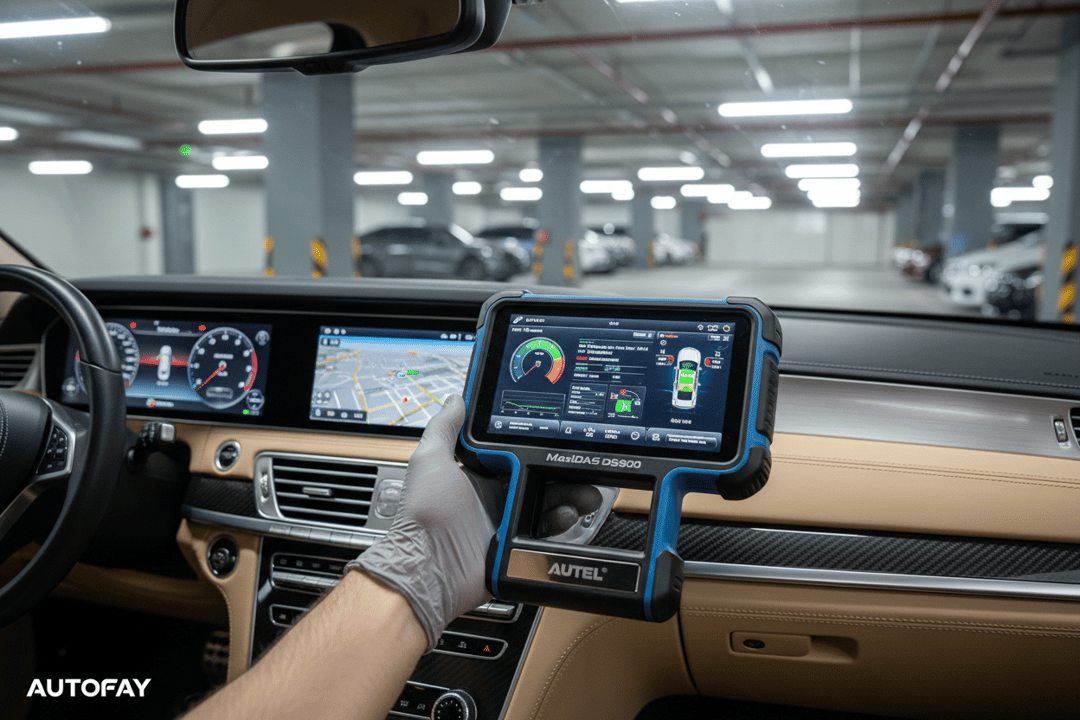
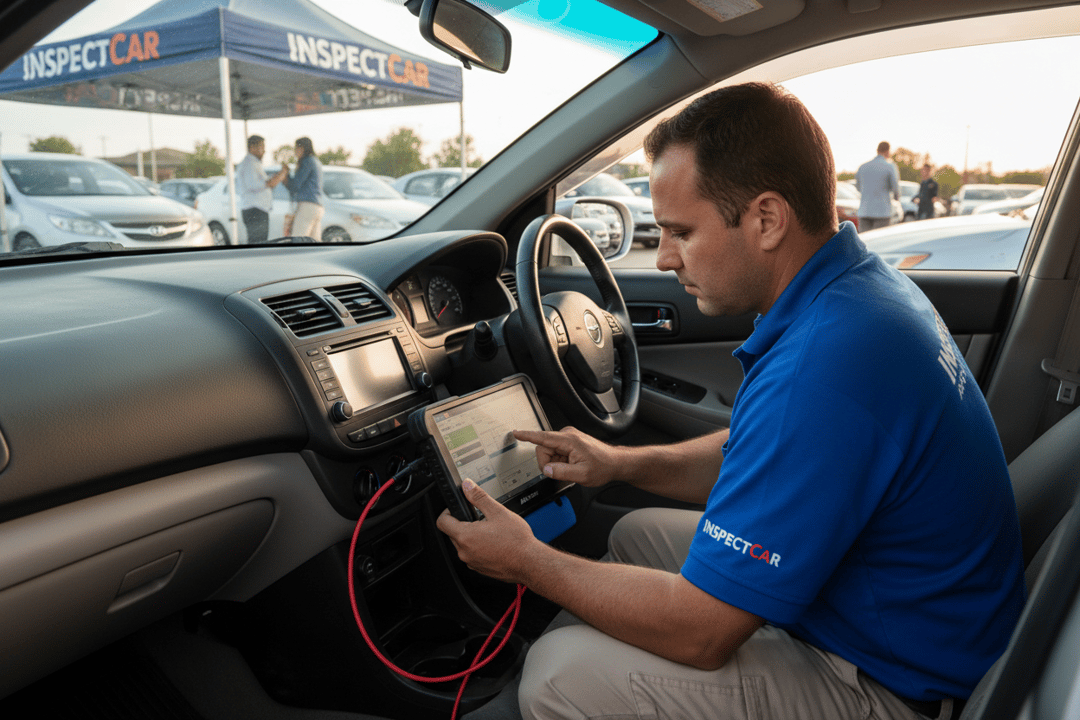
Modern vehicles rely on complex electronics to function. An On-Board Diagnostics (OBD) scan connects to the vehicle's computer to read stored error codes. This scan reveals faults in the engine, transmission, ABS, and airbag systems. Ignoring an ABS or airbag error code can leave the driver with a vehicle that fails safety regulations.
Step 6: Safety Systems and Road Test
Brakes are the most critical safety feature on any vehicle. Inspectors measure the brake pad thickness to determine remaining life. Worn brakes reduce the vehicle's stopping distance, increasing the risk of accidents. They also inspect the brake fluid condition, as contaminated fluid can cause a spongy pedal feel.
Tires contribute significantly to safety and handling. Inspectors check the tread depth and the manufacturing date on the tire sidewall. Tires older than five years lose their elasticity and are prone to blowouts. A road test validates the drivetrain performance. The inspector evaluates acceleration, braking smoothness, and noise levels while driving. Vibration in the steering wheel often indicates a bent rim or unbalanced tires.
AutoFay Inspection Packages
AutoFay provides a comprehensive on-location inspection service across all 7 Emirates. The company utilizes 410+ checkpoints across 25 categories to ensure a detailed analysis. The following table outlines the available inspection tiers and their specific inclusions.
| Package | Price | Inclusions |
|---|---|---|
| Computer Diagnostic | AED 99 | OBD scan for engine, transmission, ABS, and airbag codes. |
| Body & Computer | AED 250 | Panel-by-panel paint check, frame inspection, computer diagnostics, and fluid levels. |
| Comprehensive | AED 299 | Full 410+ checkpoint inspection including brakes, suspension, tires, road test, and HD photos. |
Final Considerations
Do not pay for a vehicle based on a smile or a handshake. The cost of a professional inspection is a small fraction of the potential cost of buying a damaged car. A detailed report highlights issues that may allow the buyer to negotiate the price down or walk away from a bad deal. Use a experienced professional to protect your investment.
AutoFay inspects 410+ checkpoints with HD photos and PDF report. Book at autofay.ae or call +971542584458.



0 Comments
No comments yet. Be the first to share your thoughts!