


The braking system is the primary defense against collision in the UAE's dense traffic and high-speed highways. While most drivers monitor the brake pads through the wheel spokes, the mechanical components that actuate them often remain hidden until a failure occurs. The brake caliper is the critical assembly responsible for clamping the brake pads against the rotor to create friction. If this component malfunctions, it compromises the entire safety of the vehicle. Understanding the symptoms of a failing caliper allows for early intervention and prevents catastrophic component damage.
The Anatomy of the Brake Caliper Assembly
The brake caliper houses the brake pads and the caliper piston. When you press the brake pedal, hydraulic pressure forces the piston to extend, pushing the pads against the rotor. When the pedal is released, a return spring or the caliper bracket pulls the piston back, retracting the pads to prevent dragging. Any deviation from this smooth cycle—whether sticking open or failing to retract—creates excessive heat and friction, leading to accelerated wear and potential safety hazards.
Recognizing Sticking Caliper Symptoms
A sticking caliper is one of the most common causes of brake failure in older vehicles. Because the brake system operates under immense heat, a caliper that fails to release will cause the brake pads to remain in constant contact with the rotor. This creates a "drag" effect, increasing fuel consumption and significantly raising the operating temperature of the braking components.
- Overheated Wheels: During a road test, the wheel attached to a faulty caliper will feel excessively hot to the touch after driving. Unusual heat indicates that the brake is being applied continuously.
- Burning Odor: The intense heat generated by a seizing caliper can cause the brake pads to overheat and the surrounding rubber components to burn. A noticeable smell of burning rubber or hot metal often signals dragging brakes.
- Pulsating Brake Pedal: If the rotor has become warped due to localized overheating, the driver may feel a pulsating vibration in the brake pedal. This feedback indicates that the surface of the rotor is no longer flat.
The Danger of Uneven Pad Wear
Uneven brake pad wear is a definitive visual indicator of caliper mechanical issues. A healthy caliper applies equal pressure to both sides of the brake pad. If one side is sticking, it will wear down the pad on that specific wheel much faster than the opposite side.
Inspectors measure brake pad thickness using a caliper gauge. If a pad measures less than 3mm, replacement is mandatory. A discrepancy where one pad is at 80% thickness and the adjacent pad is at 10% thickness is a clear diagnostic sign of a sticking caliper slide pin or piston. Ignoring this imbalance leads to uneven rotor wear, which is far more expensive to repair than new pads.
Identifying Fluid Leaks and Contamination
Brake fluid is hygroscopic, meaning it absorbs moisture from the air over time. A leaking caliper can introduce contaminants or allow moisture ingress, degrading the fluid's ability to stop the vehicle. Additionally, a leaking caliper piston allows brake fluid to escape, reducing the hydraulic pressure available to the brakes.
During inspection, technicians examine the caliper bracket and the area around the rubber boots. The presence of fresh, oily residue on the outside of the caliper suggests a leaking piston boot. Furthermore, the brake fluid reservoir level should be checked. A sudden drop in fluid level often correlates with a leaking component. The brake fluid should be clear or slightly yellow; a dark brown or black color indicates moisture contamination and potential internal corrosion within the caliper.
| Fluid Condition | Diagnosis |
|---|---|
| Dark Brown / Black | Moisture contamination and internal rust; requires flushing. |
| Clear / Light Yellow | Healthy fluid condition. |
| Low Level | Leaks in the system or worn brake pads reducing fluid volume. |
Diagnosing Vehicle Pulling Under Braking
When a vehicle pulls to the left or right when the brakes are applied, it indicates a discrepancy in braking force between the left and right sides. While suspension issues or tire pressure imbalances can cause this, a mechanical brake imbalance is a far more serious safety concern.
If the vehicle pulls to the right, the left brakes are applying more force than the right. This is frequently caused by a stuck right-side caliper, a collapsed brake hose on one side restricting flow, or a seized slide pin. This condition creates unpredictable handling characteristics, especially during wet weather when traction is already low. Addressing pulling requires isolating which side is dragging and freeing the caliper mechanism immediately.
The Role of a Professional Inspection
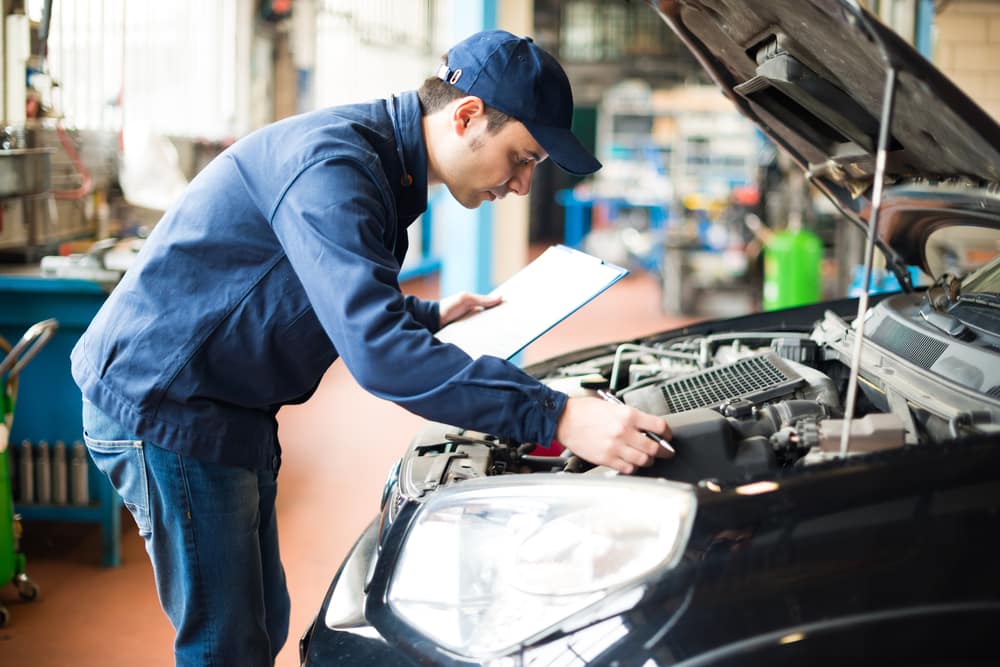
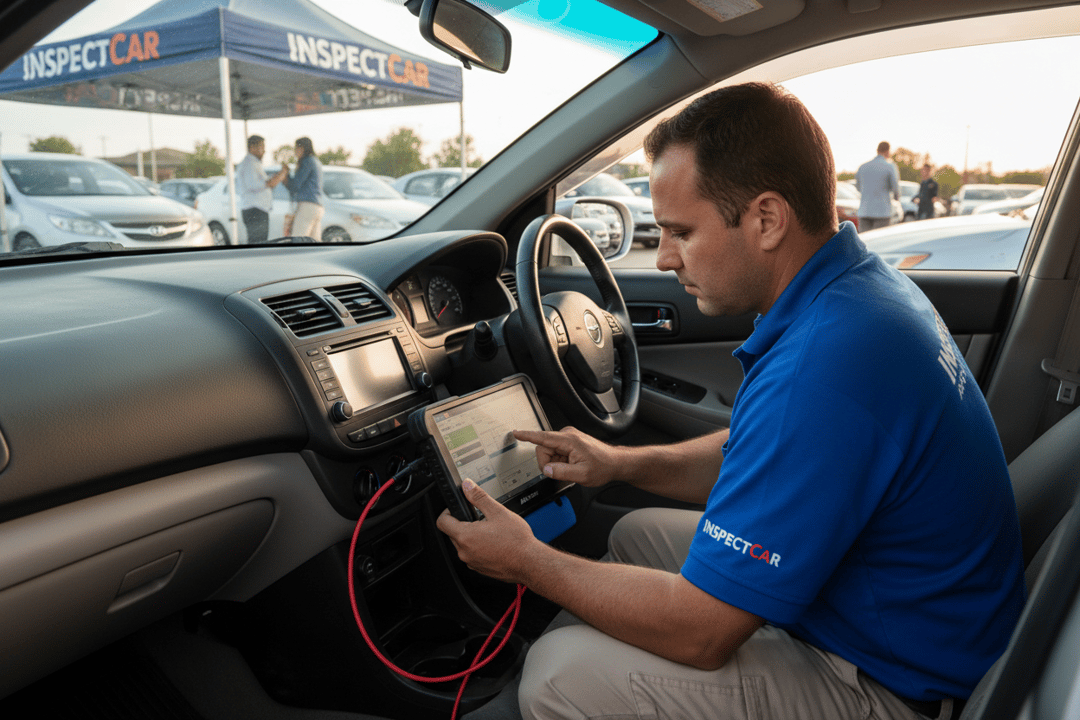
Visual inspection is the first step, but a thorough assessment requires a controlled environment. A experienced inspector conducts a multi-point check, including a road test to evaluate deceleration smoothness and noise levels. Technicians utilize Computer Diagnostic tools to scan for ABS and traction control faults, which can sometimes be triggered by caliper variance.
Relying on a professional service ensures that every aspect of the braking system is evaluated. If a sticking caliper is detected, the inspector will also inspect the brake rotors for scoring or warping, as these components often require resurfacing or replacement alongside the caliper.
Comprehensive Vehicle Health via AutoFay
For vehicle owners in the UAE, ensuring brake integrity is non-negotiable. AutoFay provides a rigorous inspection process that goes beyond basic caliper checks. Our experienced inspectors evaluate 410+ checkpoints across 25 categories to provide a holistic view of the vehicle's condition.
- Brakes (Pad % Rating): We rate pad thickness to ensure they meet safety standards.
- Fluids (Level + Condition): We verify fluid levels and check for contamination.
- Road Test: We test acceleration and braking performance to detect hidden issues.
- Body & Computer: We scan for error codes and inspect the frame integrity.
Choosing the Right Inspection Package
Selecting the appropriate level of inspection depends on the vehicle's age and performance requirements. For standard checks, the Computer Diagnostic package is available for AED 99, offering fundamental engine and transmission data. For a more detailed examination, the Body & Computer package at AED 250 covers panel-by-panel paint analysis and essential computer diagnostics.
For the highest level of assurance, the Comprehensive package at AED 299 provides an exhaustive evaluation of the vehicle’s mechanical and structural health. This is particularly recommended for high-mileage vehicles or before purchasing a used car in the UAE market.
AutoFay inspects 410+ checkpoints with HD photos and PDF report. Book at autofay.ae or call +971542584458.



0 Comments
No comments yet. Be the first to share your thoughts!