
The Volvo XC60 secures a strong position in the UAE luxury SUV market, recognized for its safety features and Scandinavian design. However, buying a pre-owned model requires a rigorous evaluation of its maintenance history and mechanical integrity. A certified pre-purchase inspection uncovers hidden defects that impact safety and longevity. This guide outlines the critical areas inspectors scrutinize to ensure the XC60 meets the necessary standards.
Engine and Transmission: The Powertrain
The Volvo B-series engines are generally reliable, yet specific components require attention during inspection. Inspectors listen for unusual noises coming from the timing chain cover, as the tensioners can become weak over time. A failing tensioner leads to chain rattling, which may eventually cause engine failure due to timing misalignment. Mechanics also check the dipstick for excessive oil consumption, a known issue in higher-mileage units.
The transmission must shift smoothly between gears without hesitation or jerking. Slipping gears occur when the clutch packs or bands wear out, reducing power transfer to the wheels. This condition compromises acceleration and can lead to complete drivetrain failure if ignored. Inspectors test the transmission fluid condition; dark, burnt-smelling fluid indicates neglect and imminent mechanical stress.
Electrical Systems and Diagnostics
Modern vehicles rely heavily on complex electronics, and the XC60 is no exception. The Start/Stop system, which shuts off the engine at traffic lights, can malfunction, causing the engine to stall unexpectedly. Inspectors verify that this function engages and disengages reliably without triggering warning lights. Faulty sensors or software glitches often trigger these errors, requiring a diagnostic scan.
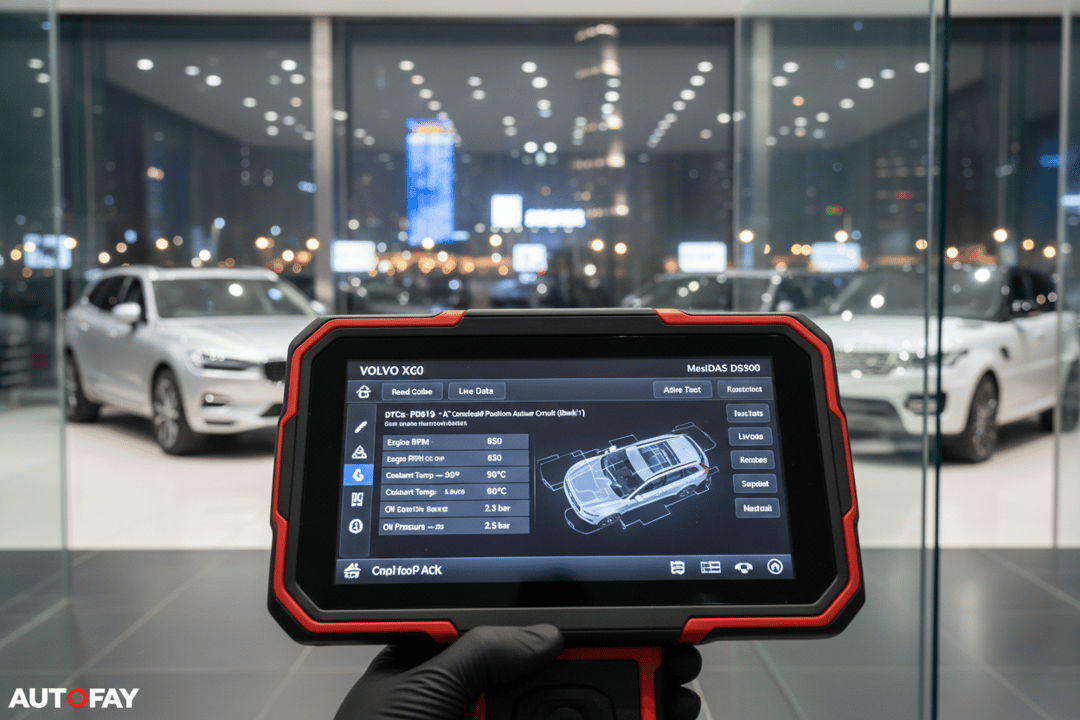
Infotainment systems frequently suffer from dead pixels or frozen screens in high-temperature environments. While annoying, software corruption in the infotainment unit often signals broader electrical instability within the vehicle. A comprehensive OBD scan is the only way to retrieve stored fault codes from the engine, transmission, ABS, and airbag modules. This data reveals whether the previous owner ignored critical warnings that could indicate major repairs.
Body Integrity and Paint Analysis
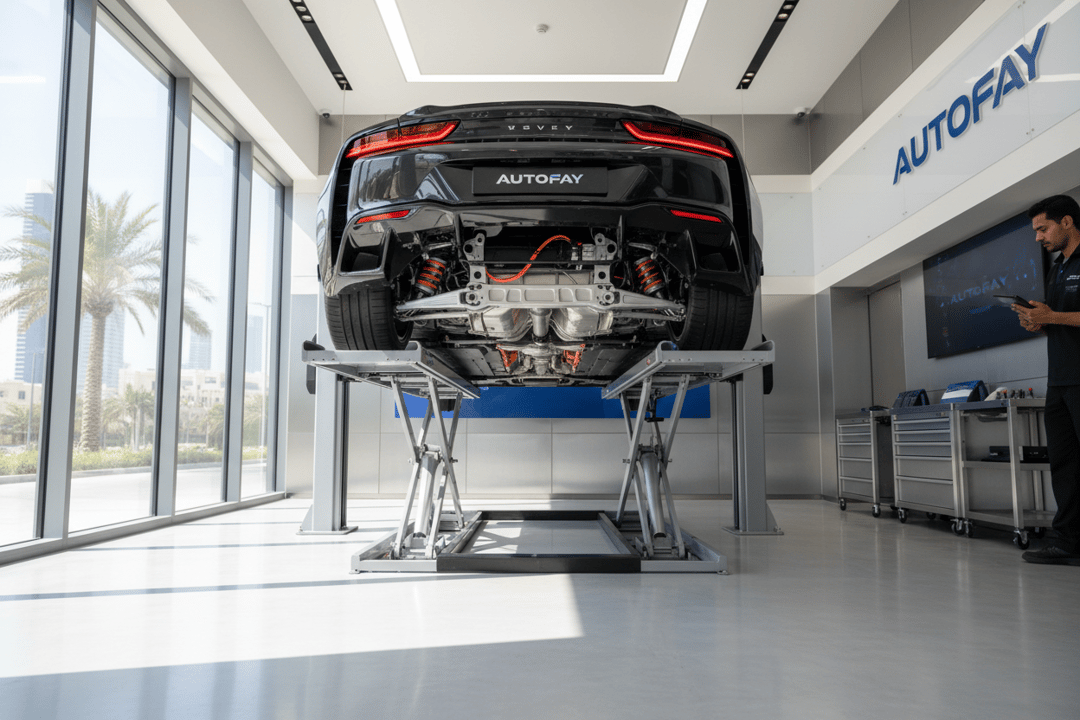
Corrosion poses a significant threat to vehicles in the UAE, particularly in coastal regions. Inspectors check the undercarriage for rust on the subframe, exhaust system, and brake lines. Surface rust can spread rapidly to structural components, weakening the vehicle’s chassis and compromising occupant safety in a collision. Any sign of rust requires immediate attention to prevent further deterioration.
Panel alignment reveals the vehicle’s accident history. Gaps between the hood, trunk, and doors should be uniform and consistent with factory specifications. Misaligned panels often result from previous collision repairs, which may have compromised the structural integrity of the unibody frame. Inspectors use paint depth meters to detect overspray, distinguishing between original paint and areas that have been repainted after damage.
Suspension, Brakes, and Tires
Worn suspension components affect ride comfort and handling precision. Inspectors test the shock absorbers and struts for damping performance; excessive bounce indicates worn bushings or failed struts. This condition makes the vehicle difficult to control during sudden braking or cornering, increasing the risk of an accident. Uneven tire wear patterns also point to misaligned suspension geometry.
Brake performance is non-negotiable for safety, and worn brake pads can cause the metal backing plate to grind against the rotor. This action damages the rotor, necessitating expensive resurfacing or replacement. Inspectors measure brake pad thickness and check the fluid level to ensure the braking system is responsive. A spongy brake pedal often indicates air in the lines or a leaking master cylinder, both of which require immediate repair.
Why a Professional Inspection Matters
Relying solely on a visual inspection is insufficient for a vehicle of this caliber. A experienced inspector evaluates 410+ checkpoints across 25 distinct categories to provide a comprehensive analysis of the vehicle’s condition. This process identifies latent defects that are invisible to the untrained eye. Professional inspectors also assess the frame rails and floor pans for damage that could affect structural safety.
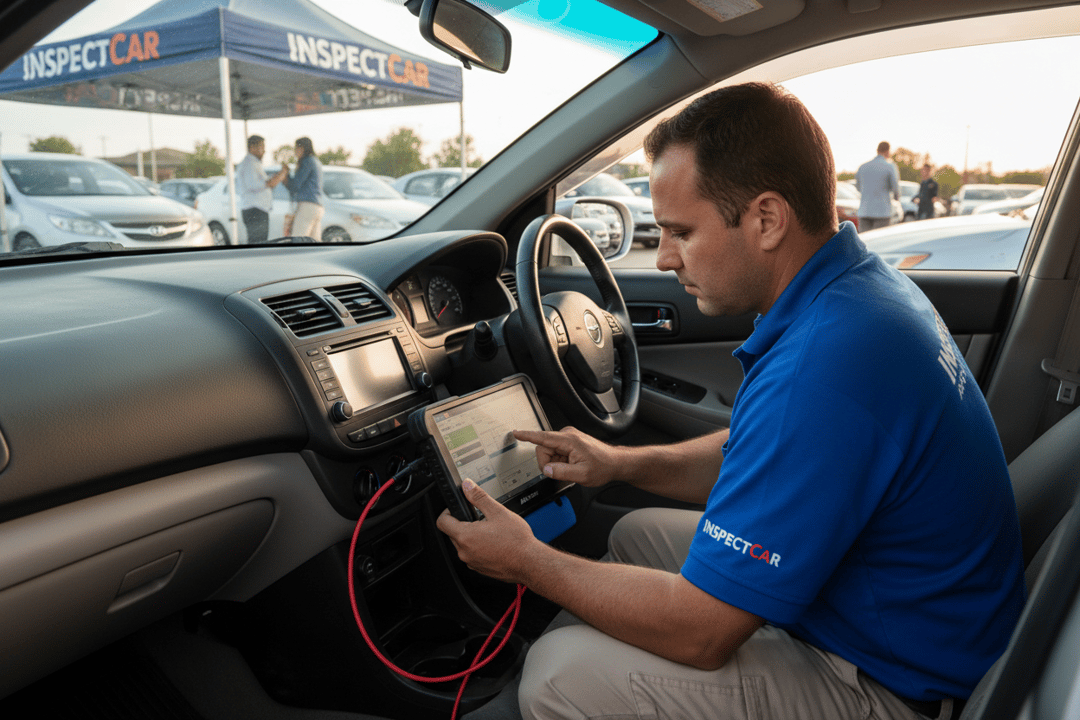
Using a on-location inspection service saves time and ensures the vehicle is evaluated in its natural environment. Inspectors conduct a road test to verify acceleration, braking, steering response, and noise levels under real-world driving conditions. They check the manufacturing year of the tires to ensure they match the age of the vehicle and have sufficient tread depth for safe traction on wet roads.
| Inspection Package | Price (AED) | Key Inclusions |
|---|---|---|
| Computer Diagnostic | 99 | Engine, Transmission, ABS, Airbag Code Scanning |
| Body & Computer | 250 | Panel-by-Panel Body Check, OBD Scan, Paint Analysis |
| Comprehensive | 399 | 410+ Checkpoints, Frame & Rail Inspection, Road Test, HD Photos, PDF Report |
Investing in a professional inspection protects against purchasing a vehicle with undisclosed damage or mechanical faults. The detailed report generated by the inspector serves as a record of the vehicle's condition at the time of purchase. This documentation is invaluable for negotiating the price or planning future maintenance budgets.
AutoFay inspects 410+ checkpoints with HD photos and PDF report. Book at autofay.ae or call +971542584458


0 Comments
No comments yet. Be the first to share your thoughts!