

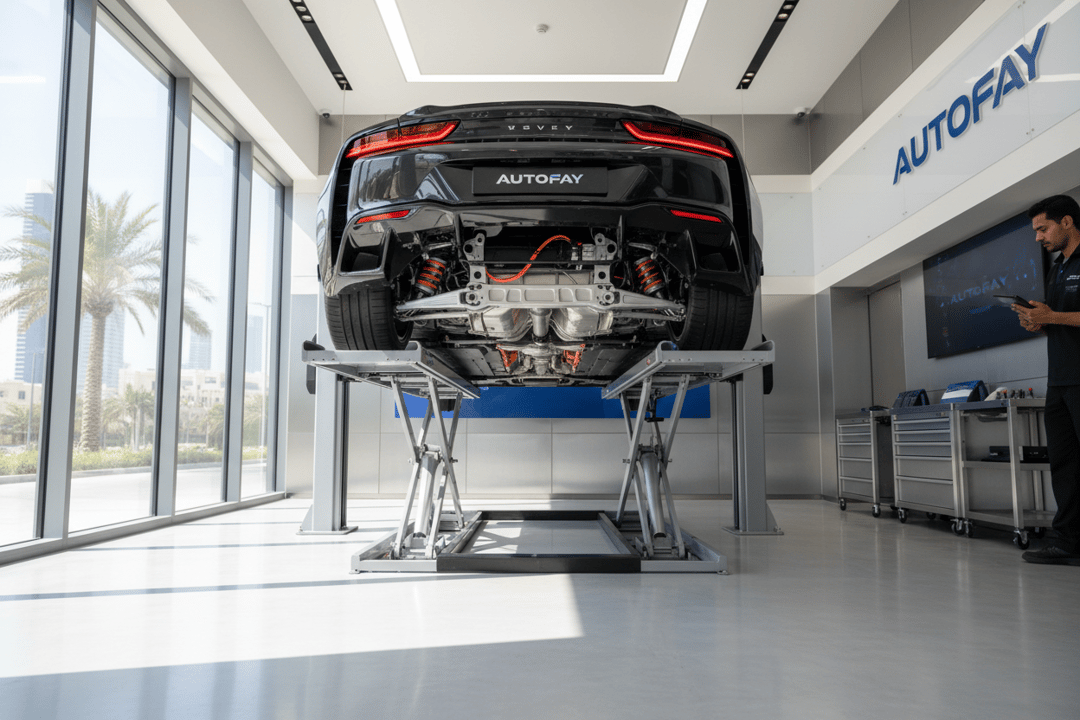
The Volvo XC40 has established itself as a formidable contender in the luxury compact SUV segment, offering a blend of Scandinavian design, safety features, and technological innovation. However, the used car market in the UAE presents unique challenges, ranging from high ambient temperatures affecting battery life to the prevalence of imported vehicles. A pre-purchase inspection is not merely a suggestion; it is a critical requirement to avoid purchasing a vehicle with latent defects. Buyers must scrutinize specific components that are known to fail in this model, particularly the B5 engine and the complex adaptive suspension systems. Understanding these vulnerabilities allows a prospective owner to negotiate effectively or walk away from a bad deal.
Engine Performance and Carbon Buildup
The most significant mechanical concern regarding the used Volvo XC40 centers on the B5 engine, which pairs a capable turbocharged four-cylinder with an 48-volt mild hybrid system. This powertrain is highly efficient but susceptible to carbon buildup on the intake valves. Over time, fuel varnish deposits accumulate on the valve stems, disrupting the precise air-fuel mixture required for combustion. This leads to symptoms such as hesitation during acceleration, engine misfires, and reduced fuel economy. A professional inspection must listen for unusual ticking sounds emanating from the top of the engine, which may indicate excessive carbon deposits or valve train wear.
Inspectors also evaluate the turbocharger system for health. A failing turbocharger often produces a high-pitched whistling or a noticeable loss of power under load. The 48-volt battery and its associated DC-DC converter are another focal point. If the auxiliary battery fails, the car may struggle to restart or experience glitches with the stop-start system. Any smoke from the exhaust during a test drive signals immediate failure; black smoke indicates a fuel mixture that is too rich, while blue smoke points to burning engine oil.
Electrical Systems and Infotainment
The XC40 relies heavily on its electrical architecture, which serves as the nervous system for its driver-assistance features. A common issue reported by owners involves the infotainment screen freezing or restarting unexpectedly. This often stems from software glitches within the Google Android Automotive operating system. While a simple software update can resolve minor glitches, repeated failures suggest deeper software corruption or a failing power management system. Inspectors verify that the navigation, Bluetooth connectivity, and voice command functions operate seamlessly, as these are critical for the vehicle's usability.
Furthermore, the numerous sensors required for the Volvo On Call system and the pilot assist features must be functional. A malfunctioning radar or camera will trigger warning lights and disable advanced safety modules. If these sensors have been misaligned due to minor collisions, the vehicle may fail to detect obstacles accurately, compromising safety. Technicians use diagnostic tools to read sensor data streams, ensuring the electronic stability control and adaptive cruise control systems are calibrated correctly.
Suspension and Adaptive Damping
The XC40 offers a premium ride quality largely due to its optional adaptive dampers. These systems adjust the suspension stiffness in real-time based on road conditions. However, the hydraulic fluid inside these dampers can degrade over time, leading to a harsh ride or, conversely, a vehicle that floats too much over bumps. Inspectors test this functionality by driving over varying road surfaces to observe how the vehicle reacts. A failure in the adaptive damping system usually results in the suspension locking in a specific mode, often the firmest setting, which ruins the ride comfort.
Conventional suspension components, such as control arm bushings and ball joints, are subject to wear due to the arduous nature of UAE roads. Clunking noises from the front or rear suspension when driving over speed bumps indicate worn rubber bushings. Worn ball joints can lead to poor steering alignment and tire uneven wear. Inspectors check for play in the steering wheel and listen for suspension noise during the road test phase of the inspection.
AutoFay Inspection Methodology
A comprehensive inspection requires a systematic approach to cover every aspect of the vehicle's condition. AutoFay employs a rigorous process that evaluates over 410+ checkpoints across 25 distinct categories. This ensures that no area of the car is overlooked during the evaluation. The inspection covers the chassis integrity, the condition of the paintwork, and the mechanical health of the powertrain.
The body assessment involves a panel-by-panel examination to detect previous repairs. Inspectors look for signs of panel gaps that are wider than standard specifications, which indicate previous impacts. The use of a flashlight reveals uneven paint reflection, signaling that the vehicle has been repainted to hide accident damage. The frame rails and floor pans are inspected for rust or corrosion, which can be caused by road salt exposure during the import process, even in the UAE's desert climate.
The mechanical evaluation includes a full road test to assess acceleration, braking performance, and noise levels. The brake pads are inspected for wear percentage, and the braking system is tested for pull to one side, which indicates a sticking caliper. The tires are checked for manufacturing dates and tread depth, ensuring they meet safety standards and have not been mismatched across the axle.
Pricing Structure for Used Vehicle Evaluation
Investing in a professional inspection costs significantly less than the potential expense of buying a defective vehicle. AutoFay offers three distinct service packages designed to suit different needs and budget constraints. The Computer Diagnostic service costs AED 99, providing a quick scan of the engine and transmission control modules for stored fault codes.
For buyers who suspect minor cosmetic or electronic issues, the Body & Computer service is priced at AED 250. This package combines a visual check of the bodywork with a comprehensive diagnostic scan of the vehicle's electronic systems. It is ideal for vehicles that appear clean but may have underlying sensor faults.
The Comprehensive inspection is the most thorough option, priced at AED 299. This package covers all 25 categories, including a deep dive into the suspension, steering, brakes, tires, fluids, and the road test performance. It provides a complete report on the vehicle's structural and mechanical health, ensuring no detail is missed.
| Service Package | Price (AED) | Key Deliverables |
|---|---|---|
| Computer Diagnostic | 99 | Engine, Transmission, ABS, Airbag Codes |
| Body & Computer | 250 | Panel-by-Panel Body Check + OBD Scan |
| Comprehensive | 399 | 410+ Checkpoints, Road Test, HD Report |
Specific Red Flags in the UAE Market
When purchasing a used Volvo XC40 in the Emirates, certain red flags should trigger immediate caution. One major warning sign is a lack of service history. A vehicle with carbon buildup or suspension wear will likely show evidence of previous maintenance. Without service records, the buyer assumes all systems are pristine, which is rarely the case.
Another red flag is the tire condition. Worn-out tires with low tread depth often indicate that the suspension components have been neglected. If the tires are mismatched, the seller may have changed them to cover up a vibration issue caused by a failing wheel bearing or unbalanced suspension. Finally, inspectors should check the coolant reservoir and oil dipstick. A milky, grayish oil or a coolant reservoir filled with oil suggests a blown head gasket, a catastrophic and expensive repair that renders the vehicle undrivable.
AutoFay inspects 410+ checkpoints with HD photos and PDF report. Book at autofay.ae or call +971542584458





0 Comments
No comments yet. Be the first to share your thoughts!