


The Toyota Yaris has established itself as a dominant compact hatchback in the United Arab Emirates, favored for its reliability and fuel efficiency. However, the desert climate and the nature of used vehicle ownership in the region introduce specific stressors that compromise these vehicles over time. Inspecting a pre-owned Yaris requires a keen understanding of how extreme heat, salinity, and road conditions accelerate wear on mechanical components. A thorough evaluation goes beyond visual appraisal, necessitating diagnostic tools and a rigorous road test to uncover latent failures.
Engine Durability Under Extreme Heat
The primary adversary of any engine in the UAE is thermal stress. High ambient temperatures accelerate the oxidation of engine oil, leading to a rapid decline in lubrication quality. Oil breakdown results in increased internal friction and the formation of sludge, which can clog vital passages and compromise sealing surfaces. During an inspection, technicians must examine the engine cover bolts for looseness, a symptom often associated with heat-induced expansion and contraction cycles over years.
Another critical area of concern is the timing chain and tensioner assembly. While Toyota engines are generally robust, the timing chain can stretch or the tensioner can fail, especially in high-mileage units. This leads to a rattling sound upon cold starts, which may disappear once the engine warms up and the chain expands. If the chain skips teeth, the engine timing can be affected, potentially causing catastrophic internal failure. Checking the "Check Engine" light history and listening to the engine's operation are non-negotiable steps in the inspection process.
The cooling system is equally vital. Radiator hoses can become brittle and prone to blowing out under high pressure, especially if previous owners have neglected flushes. A pressure test is essential to verify the integrity of the hoses and the radiator core. Furthermore, the thermostat must be verified to ensure it opens at the correct temperature; a sticking thermostat traps heat in the engine, leading to overheating and potential head gasket failure. Fluids should be checked for viscosity and the presence of metallic particles, indicating internal wear.
Transmission Shifting and Drivetrain Health
The transmission is often the most complex component to inspect without disassembly, requiring a reliance on computer diagnostics and driver feedback. Many Yaris models in the region utilize a Continuously Variable Transmission (CVT). While efficient, CVTs are sensitive to hard acceleration and high-temperature environments. A failing CVT often manifests as a shudder or vibration emanating from the floorboard while cruising at highway speeds. This vibration indicates worn variator pulleys or a deteriorated drive belt.
Automatic transmission fluid degrades faster in the UAE due to heat. Dark, burnt-smelling fluid is a glaring red flag that signals the transmission has been operating beyond its thermal limits. Slipping gears during acceleration or a delay in shifting between gears are clear symptoms of clutch pack wear or solenoid failure. Inspectors must perform a "road test" to monitor how the transmission responds to load changes. The vehicle should shift smoothly and firmly without hesitation or clunking noises.
For manual transmission models, the clutch assembly is the primary point of failure. A slipping clutch will prevent the engine from transferring power to the wheels efficiently, resulting in poor acceleration and a burning smell. The clutch pedal itself should feel firm and consistent without sponginess or excessive free play. Gear engagement should be precise; a "grinding" sensation when shifting into gears indicates worn synchronizers or a lack of transmission fluid. Electrical sensors within the transmission housing also monitor gear ratios and solenoid function; errors triggered here often point to internal solenoid or valve body issues.
Suspension Wear on Rough UAE Roads
The suspension system absorbs the impact of uneven road surfaces and potholes, which are prevalent in many parts of the Emirates. A major issue found in used Yaris vehicles is the failure of strut mount bearings. As these bearings wear out, they no longer allow the suspension to rotate freely during steering. This results in a squeaking or clicking noise that becomes more pronounced when turning the steering wheel slowly, particularly at low speeds.
Bushings, made of rubber or polyurethane, act as vibration dampeners and pivot points. In the harsh climate, these bushings suffer from "heat aging," causing them to crack, split, or harden. A worn suspension bushing creates a loose, unstable feeling at higher speeds and leads to clunking noises over bumps. The inspection must include a visual check of the subframe and control arm bushings for tears and a physical check for excessive play.
Shock absorbers and struts eventually lose their ability to dampen oscillation. When worn, the vehicle will feel "bouncy," especially during heavy braking or cornering. This lack of control extends the stopping distance and increases tire wear. Inspectors must check the shock bodies for oil leaks, which are the primary indicator of internal seal failure. Additionally, the lower ball joints should be inspected for play; a loose ball joint creates a dangerous level of instability in the steering linkage.
Electrical Systems and Climate Control
The electrical architecture in modern vehicles is complex, and the UAE climate places immense stress on these components. The climate control system is the most frequently used electrical component in the region. A common failure point is the blend door actuator, which directs air flow to the dashboard or floor vents. A broken actuator results in a stuck air vent or no air coming out of the dashboard, forcing the driver to constantly adjust the temperature dial.
Alternator output can degrade due to the high heat generated by the engine bay. A failing alternator may struggle to keep the battery charged, especially if the vehicle is used for short trips where the battery does not fully recharge. This can lead to a "dead battery" scenario shortly after purchase. Inspectors check the battery voltage output and the condition of the alternator belts, looking for cracks or fraying that could lead to a sudden loss of power while driving.
Electrical connectors are prone to corrosion due to high humidity and salt content in the air. Corrosion on sensor plugs, particularly for oxygen sensors or mass airflow sensors, can trigger erratic engine behavior. The "Check Engine" light is often the first indicator of such issues. Utilizing an OBD scanner to read live data streams is critical during an inspection to identify if the engine is receiving incorrect signals from sensors, which often points to wiring harness damage or sensor degradation.
The Role of Professional Inspection
Detecting these issues requires a comprehensive approach that goes beyond a visual walk-around. A professional inspection service provides a systematic evaluation of the vehicle’s condition. For example, the Computer Diagnostic package identifies hidden electronic faults that are invisible to the naked eye. This service is priced at AED 99 and is an essential first step to rule out critical engine and transmission codes.
A detailed evaluation of body and computer components at AED 250 allows for a panel-by-panel analysis of the paintwork and a full OBD scan. This helps verify if the vehicle has been involved in accidents that may have compromised the frame or hidden electrical damage. For the highest level of assurance, the Comprehensive package at AED 299 covers 410+ checkpoints. This includes a road test to evaluate braking, acceleration, noise, and vibration, ensuring the vehicle drives as well as it looks.
Fluid analysis is another vital component. Inspectors check the level and condition of engine oil, transmission fluid, and coolant. Sludge, metal shavings, or a milky appearance in the coolant indicates internal damage or poor maintenance history. By scrutinizing these fluids, inspectors can predict the remaining life of major components before they fail catastrophically.
| Inspection Category | Common Yaris Issue in UAE | Diagnostic Method |
|---|---|---|
| Engine | Oil degradation, timing chain rattle | OBD scan, visual inspection, road test |
| Transmission | CVT shudder, burnt fluid | td>Road test, fluid condition check|
| Suspension | Strut mount bearing squeak | td>Visual check, road test|
| Electrical | Blend door actuator failure | td>Computer diagnostic, manual testing
When purchasing a used vehicle in the UAE, relying solely on a test drive is insufficient. The combination of heat, road conditions, and high mileage creates a unique set of variables that only a professional inspector can fully account for. Understanding these common failure points allows buyers to set realistic expectations and budget for necessary repairs. A rigorous inspection service provides the documentation and evidence needed to make a sound purchase decision.
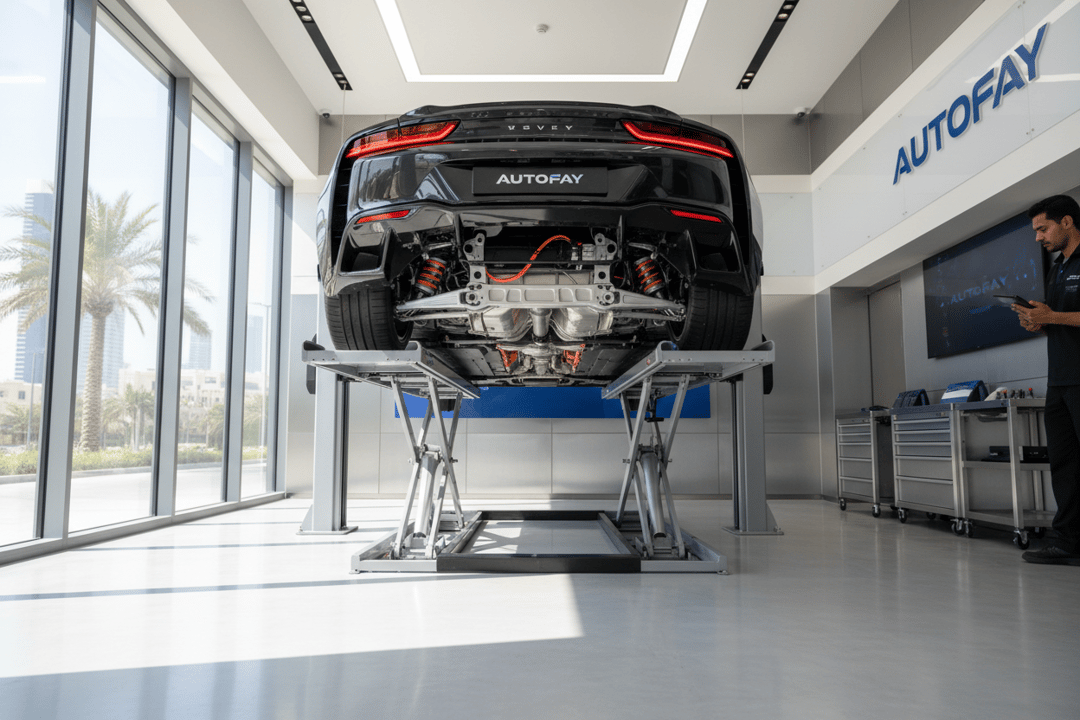
AutoFay inspects 410+ checkpoints with HD photos and PDF report. Book at autofay.ae or call +971542584458




0 Comments
No comments yet. Be the first to share your thoughts!