

The Toyota RAV4 has established itself as a dominant force in the UAE automotive market due to its reputation for reliability and family utility. However, purchasing a used unit requires a rigorous vetting process to ensure longevity and safety. A vehicle that appears mechanically sound on the surface may harbor structural damage or electronic failures that compromise its value. Vehicle history reports often fail to uncover critical structural damage or hidden fluid leaks, necessitating a hands-on professional evaluation. For buyers seeking absolute transparency, a specialized inspection service is the only guarantee of a defect-free asset.
The Pre-Purchase Assessment Strategy
When approaching a used RAV4, the initial visual inspection is merely the first step in a comprehensive evaluation process. A experienced inspector looks beyond the cosmetic appeal to assess the vehicle's structural integrity and mechanical health. The goal is to identify "hidden" defects that are not visible during a casual viewing. A thorough inspection covers 410+ checkpoints across 25 distinct categories to ensure no component is overlooked. This methodical approach helps prevent the acquisition of a vehicle with latent issues that could lead to unexpected downtime or expensive repairs.
Given the ubiquity of the RAV4 in the region, parts are generally accessible, but labor costs for unibody repairs can be significant. Therefore, establishing the true condition of the car before transfer of ownership is financially prudent. A professional inspection provides a detailed snapshot of the vehicle's current state, highlighting areas requiring immediate attention versus those maintaining good health. This data is essential for negotiating the price or walking away from a vehicle that fails to meet safety standards.
Common Mechanical Anomalies in the UAE Market
Inspectors frequently encounter specific mechanical issues in the Toyota RAV4, particularly in models aged six years or older. One prevalent issue is oil consumption, often caused by worn piston rings or valve stem seals. If the vehicle consumes excessive oil between changes, the engine will eventually suffer from catastrophic bearing failure if left unaddressed. Additionally, the 2.5-liter four-cylinder engine in many RAV4 trims is generally robust, but the CVT transmission demands scrutiny; erratic shifting, hesitation during acceleration, or unusual whining noises indicate internal transmission damage that requires immediate overhaul.
Fluid leaks are another common observation during inspections. The valve cover gasket and oil drain plug are frequent leak points, especially if the rubber seals have degraded due to high ambient temperatures. Coolant leaks can also arise from the radiator or heater core, potentially leading to overheating. Overheating can warp cylinder heads or blow head gaskets, resulting in a catastrophic engine failure. Identifying these leaks early allows buyers to factor repair costs into the purchase agreement or use them as leverage during negotiations.
- Engine Mounts: Worn mounts can cause excessive vibration transmitted to the steering wheel and chassis, especially under acceleration.
- Exhaust Smoke: Blue smoke indicates burning oil, white smoke suggests a blown head gasket, and black smoke points to a fuel mixture issue.
- Suspension Bushings: Dry or cracked rubber bushings lead to a loose, unstable ride and premature wear on steering components.
The Inspection Protocol: What Inspectors Check
A comprehensive inspection involves a multi-stage process designed to leave no stone unturned. The process begins with a computer diagnostic scan to retrieve error codes from the Engine, Transmission, ABS, and Airbag systems. This step reveals if the check engine light is on due to a minor issue or a major system failure. Following the scan, the inspector conducts a panel-by-panel body check to verify the originality of the paint and the integrity of the panels. Repainted sections often mask structural damage from previous accidents, which compromises the safety of the passenger cell.
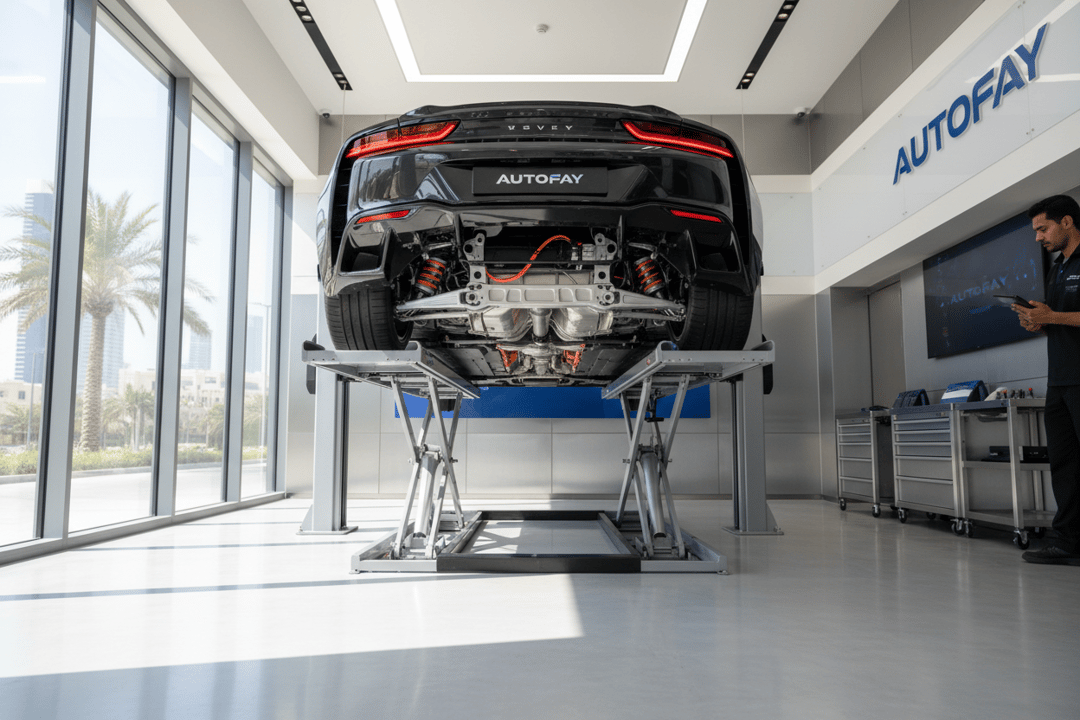
Next, the focus shifts to the vehicle's substructure. Inspectors examine the frame rails, pillars, and floor pan for rust, corrosion, or accident repair marks. In the UAE, coastal humidity can accelerate corrosion, making the undercarriage a critical inspection point. The suspension system is then rigorously tested for play in ball joints and tie rods, which are vital for safe handling. Tires are also assessed for manufacturing date and wear patterns, as tires older than five years or with uneven wear can indicate alignment or suspension issues.
| Package | Service Inclusions | Price (AED) |
|---|---|---|
| Computer Diagnostic | OBD scan for engine, transmission, ABS, and airbag codes. | 99 |
| Body & Computer | Panel-by-panel paint check, computer scan, and structural assessment. | 250 |
| Comprehensive | Full 410+ checkpoints across all 25 categories, including fluids and road test. | 399 |
Critical Red Flags for RAV4 Buyers
Several distinct red flags should trigger immediate concern during the inspection process. A strong smell of burning coolant or oil while driving is a definitive sign of a leak, usually indicating a blown head gasket or a leaking gasket. If the dashboard warning lights illuminate and do not reset immediately after the engine is started, the vehicle has pending or active fault codes that require diagnosis. Furthermore, if the steering wheel shakes violently at highway speeds or during braking, it suggests warped brake rotors or unbalanced wheels coupled with potential suspension issues.
Unusual noises during the road test, such as clunking sounds when going over bumps or a whining noise from the front end, are clear indicators of worn suspension components. Interior indicators also provide clues; airbag warning lights usually mean the airbag system has been bypassed or the components are faulty, rendering passengers vulnerable in a collision. Water pooling on the driver's floor mat despite no visible leaks suggests a clogged or leaking heater core, which is a labor-intensive repair.
The Road Test and Fluid Analysis
The road test component of the inspection is critical for evaluating the vehicle's dynamic performance. The inspector listens for abnormal noises, checks for excessive vibration, and tests acceleration and braking performance. A smooth, linear acceleration response suggests the transmission is functioning correctly. Braking should be firm without pulling to one side, indicating brake pad wear is even and calipers are functioning properly. Vibration through the steering wheel or pedals during acceleration often points to driveshaft issues or universal joint wear.
Fluid analysis provides a snapshot of the vehicle's internal health. Engine oil should be checked for viscosity and the presence of metallic particles, which indicate internal engine wear. Transmission fluid should be bright red and smell sweet; if it is dark brown or smells burnt, the transmission is likely nearing the end of its life. Brake fluid should be clear to light yellow; dark fluid absorbs moisture, which can cause the brake lines to rust and reduce stopping power. Checking these fluids is essential for predicting future maintenance requirements.
AutoFay inspects 410+ checkpoints with HD photos and PDF report. Book at autofay.ae or call +971542584458



0 Comments
No comments yet. Be the first to share your thoughts!