
The Toyota Hilux dominates the UAE automotive market, celebrated for its durability and off-road capability. However, the high demand for this model often leads sellers to obscure significant mechanical or structural issues. A pre-purchase inspection is not merely a formality; it is a critical step to verify the vehicle's true condition before capital exchange. This guide outlines the essential areas inspectors evaluate and the specific red flags associated with this model in the local context.
Mechanical Integrity and Diagnostic Scanning
The Hilux relies on robust diesel engines, primarily the 1KD-FTV and 2.8L 1GD-FTV, which are generally reliable but age-related wear is inevitable. Inspectors scrutinize the engine bay for signs of overheating, oil consumption, or unusual noises that indicate internal wear. A common issue in older units is timing chain slack, which can lead to engine hesitation or failure if left unaddressed. Furthermore, the EGR (Exhaust Gas Recirculation) valve, a frequent failure point in these engines, can cause reduced power and excessive smoke.
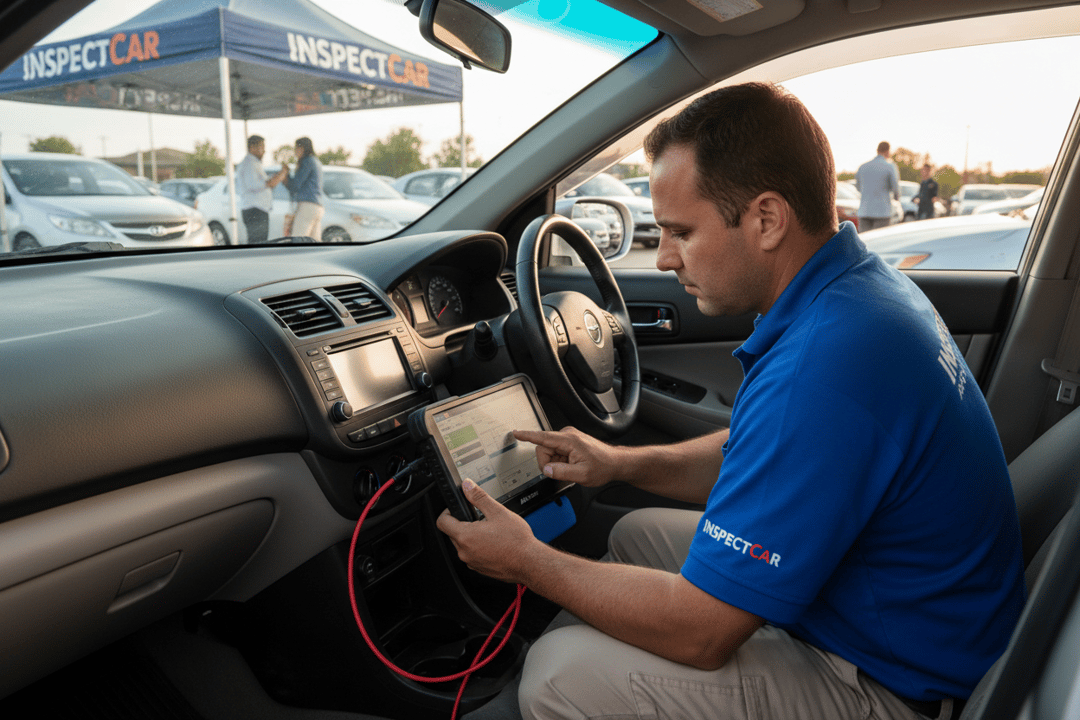
Modern diagnostics are non-negotiable for an accurate assessment. Mechanics connect an OBD scanner to read engine, transmission, ABS, and airbag codes. This process reveals hidden faults that a visual inspection cannot detect. For a detailed engine and transmission analysis, services are available starting at 99 AED for a computer diagnostic scan. If deeper issues are suspected, the Body and Computer package at 250 AED provides a broader scope of electronic and mechanical checks.
Structural Integrity and Rust Assessment
UAE climate conditions, specifically humidity near the coast and road salt usage, accelerate corrosion on the chassis. Inspectors perform a thorough examination of the frame rails, pillars, and floor pans to ensure the vehicle has not been involved in structural damage. The A, B, and C pillars are high-risk areas where rust often penetrates the metal before becoming visible on the surface. Even minor corrosion in these structural components can compromise the cabin's safety in the event of a collision.
Visual inspection of the paintwork is equally vital. Panel-by-panel analysis determines if the vehicle has undergone accidental repairs or if the color is uniform. Discrepancies in paint texture or color shade often indicate previous bodywork that was performed poorly. Using advanced equipment, inspectors differentiate between original factory paint and post-repair coatings. This verification is included in the Body and Computer inspection package, which helps identify collision damage or poor-quality repainting.
Suspension, Brakes, and Undercarriage
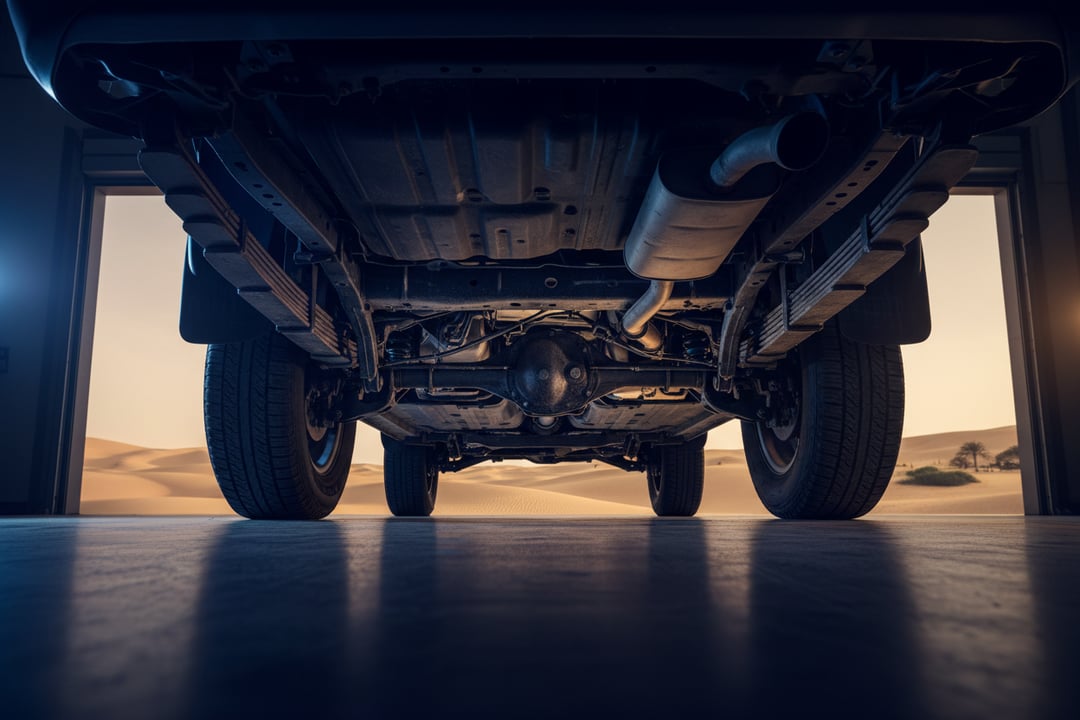
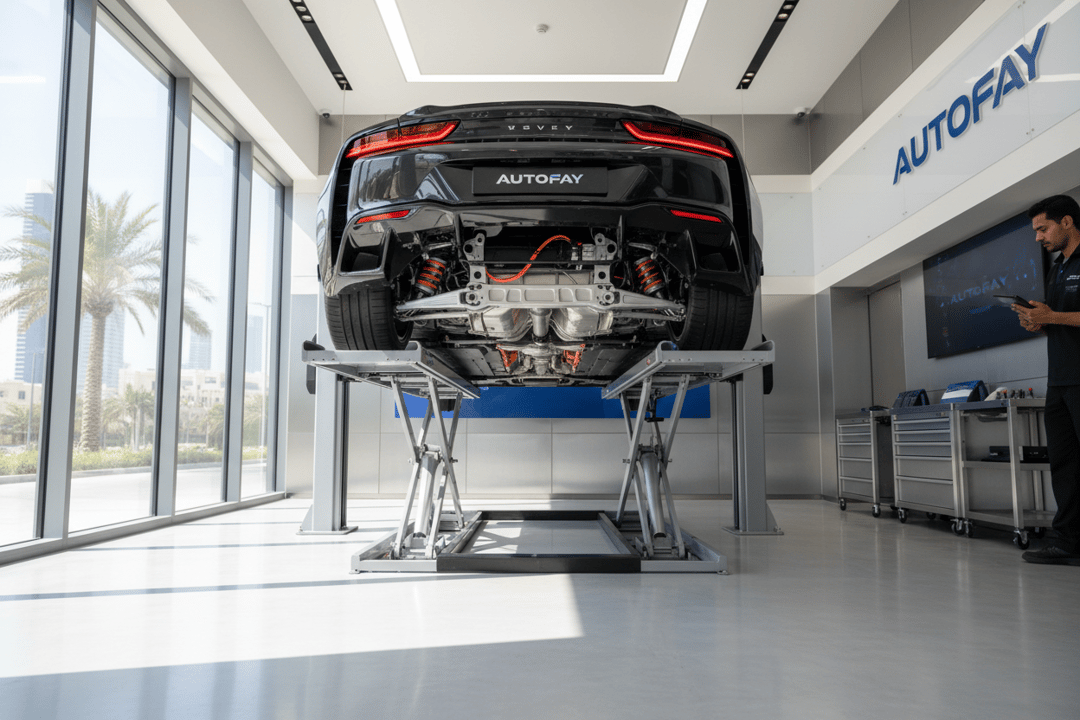
Given the Hilux’s popularity for off-roading, the suspension system takes significant stress. Inspectors check leaf springs for sagging, cracks, or broken leaves, which affect the vehicle's ride height and load-carrying capacity. Shock absorbers and ball joints are also examined for leakage and play, as worn components lead to poor handling and increased tire wear. Tires require specific attention; inspectors verify the manufacturing year, as tires older than five years pose a safety risk regardless of tread depth.
Brake performance is assessed by checking the pad thickness and disc condition. A worn-out braking system requires immediate replacement to ensure the vehicle stops safely. The road test component evaluates acceleration, braking distance, and noise levels. Vibration in the steering wheel or chassis during the test indicates suspension or driveline faults. Fluids, including engine oil, coolant, and brake fluid, are checked for level and condition; dirty or burnt fluids signal neglect or impending component failure.
Common Red Flags Specific to the Hilux
Inspectors look for specific warning signs that are prevalent in used Hiluxes in the region. Unburnt fuel in the exhaust produces black smoke, indicating fuel injection faults or turbo issues. Blue smoke during acceleration suggests burning engine oil, pointing to piston ring wear or valve seal failure. White smoke, particularly after starting the vehicle, often points to a blown head gasket or coolant leak into the combustion chamber.
- Dashboard Warning Lights: Persistent illumination of the check engine light after a reset indicates an unresolved electronic fault.
- Transmission Hesitation: A delay when shifting gears or slipping between gears suggests clutch or torque converter failure.
- Oil Leaks: Puddles of oil beneath the vehicle or heavy accumulation on the engine block usually indicates gasket or seal failure.
- Exhaust Noise: A loud, roaring exhaust implies a hole in the muffler or a cracked exhaust manifold.
Selecting the Right Inspection Package
The cost of an inspection should be viewed as an investment that protects against future repair expenses. AutoFay offers three distinct packages tailored to different levels of scrutiny required for a used vehicle purchase.
| Package Name | Price (AED) | Key Inclusions |
|---|---|---|
| Computer Diagnostic | 99 | OBD engine and transmission scan, ABS, and SRS (airbag) codes. |
| Body & Computer | 250 | Includes Computer Diagnostic plus Body/Paint analysis, Frame inspection, and Rust assessment. |
| Comprehensive | 399 | Full 410+ checkpoint inspection covering Brakes, Suspension, Tires, Fluids, Road Test, and Electrical systems. |
While the Computer Diagnostic scan covers essential electronic faults, the Body and Computer package provides necessary assurance regarding structural safety. For a complete evaluation that covers all mechanical and safety aspects, the Comprehensive package is the most thorough option.
AutoFay inspects 410+ checkpoints with HD photos and PDF report. Book at autofay.ae or call +971542584458.


0 Comments
No comments yet. Be the first to share your thoughts!