

The Toyota Fortuner remains a dominant force in the UAE second-hand market due to its rugged reputation and towing capabilities. However, this popularity leads to high mileage and intense wear, compounded by the region’s extreme temperatures and saline coastal air. Identifying hidden defects before purchase requires a rigorous, professional inspection process. A thorough evaluation goes beyond a visual check to assess the vehicle's operational integrity under local conditions.
Engine Health and Thermal Stress
The intense heat of the UAE climate places significant stress on internal engine components, leading to specific degradation patterns not seen in temperate regions. As temperatures rise, the risk of overheating increases, which can warp cylinder heads and damage head gaskets. When inspecting a used Fortuner, the condition of the engine bay must be scrutinized for signs of thermal distress, such as perished hoses or coolant reservoir discoloration.
Oil consumption is a frequent issue in high-mileage Fortuners. Over time, piston rings and valve seals wear down, allowing engine oil to seep into the combustion chamber. This results in blue-tinted exhaust smoke during acceleration. Inspectors must listen for abnormal sounds, including ticking or knocking, which indicate bearing wear or timing chain issues. The engine mounts also require attention; if the mounts are cracked, the engine will vibrate excessively, transferring damage to the chassis over time.
OBD Diagnostics and Sensor Performance
Modern engines rely on sensors to optimize fuel efficiency and emissions. In the UAE heat, these sensors can fail prematurely due to thermal cycling. A visual inspection is insufficient; a diagnostic scan is necessary to retrieve error codes stored in the Engine Control Unit (ECU). Issues such as oxygen sensor faults or mass airflow sensor malfunctions can reduce fuel economy and increase emissions, leading to traffic violations.
Engine performance can be verified through a comprehensive check that includes sound analysis, smoke color assessment, and fluid condition. If a vehicle shows signs of oil burning, the long-term consequence is accelerated wear on cylinder walls, potentially leading to a complete engine rebuild. Addressing these issues early prevents significant failure and ensures the vehicle meets the required emission standards for road legality.
Transmission and Drivetrain Fluids
The automatic transmission in a Fortuner is the critical link between the engine and the wheels, handling the high torque loads common in UAE driving. The transmission fluid (ATF) degrades rapidly in high-temperature environments. Old transmission fluid loses its viscosity and friction-modifying additives, leading to poor shifting performance, delayed engagement, or sudden slipping.
Inspectors should check the transmission dipstick to determine the fluid’s color and smell. Healthy ATF is bright red and smells faintly sweet; if it is brown or smells burnt, the transmission internals may be damaged. The transmission cooler lines, often located near hot engine components, are susceptible to corrosion and leaks. A leak in these lines can lead to a rapid loss of fluid, resulting in overheating and transmission failure.
Drivetrain and CV Joints
The drivetrain transfers power from the engine to the wheels, and the constant load in the UAE can wear down universal joints and CV boots. A torn CV boot allows dust and debris to enter the joint, causing it to seize or fail completely. This failure creates a clicking noise when turning corners.
During a road test, acceleration and deceleration must be monitored for hesitation or clunking sounds. The torque converter, which locks the engine and transmission together to improve fuel efficiency, can also wear out. If the torque converter fails, the vehicle will lack power at highway speeds, and RPMs will climb without a corresponding increase in speed. These drivetrain failures represent a significant financial outlay and are a primary focus of a detailed inspection.
Suspension and Salt Corrosion
The undercarriage of a vehicle driven in the UAE is constantly exposed to abrasive sand and saline moisture, particularly in coastal areas like Abu Dhabi and Dubai. The suspension system, which includes leaf springs, shock absorbers, and bushings, is the first line of defense against these elements. Salt spray accelerates the corrosion of steel components, leading to premature rust and structural weakness.
Suspension bushings, made of rubber, degrade over time due to constant flexing and UV exposure. Once a bushing cracks, it allows the suspension components to move erratically, resulting in a rough, unstable ride. Shock absorbers lose their ability to dampen road impacts, leading to vehicle bounce and reduced tire contact with the road. Overloading the vehicle frequently exacerbates this wear, causing leaf springs to sag or crack.
Frame Integrity and Rust
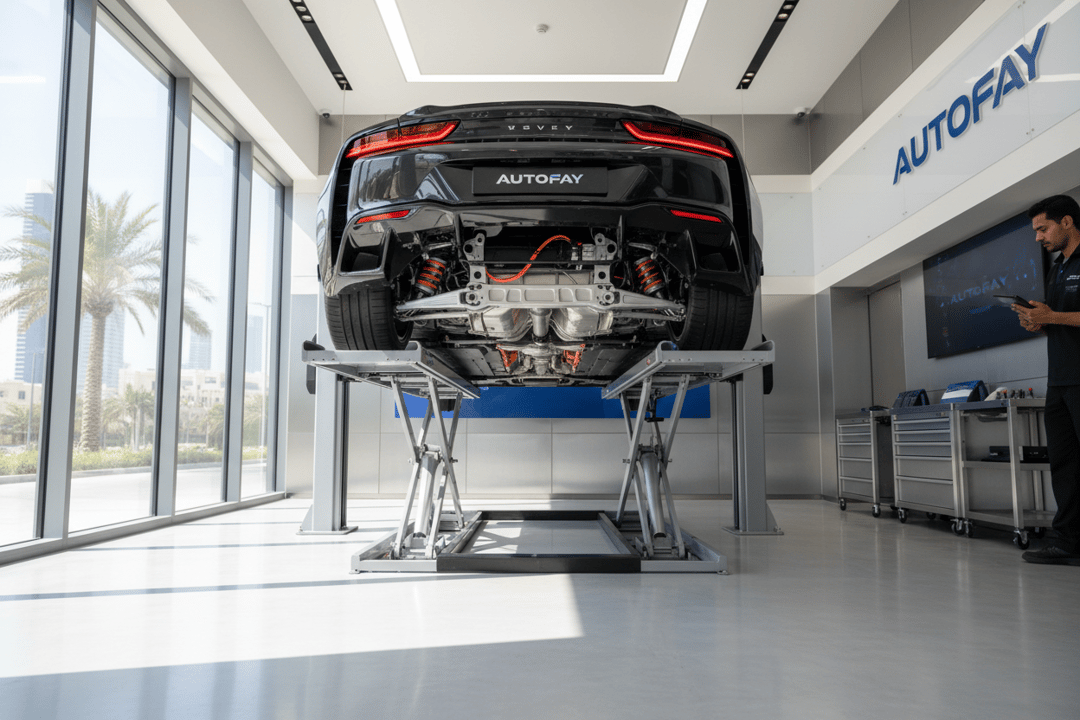
Structural integrity is paramount for off-road and heavy-duty vehicles. A professional inspection must include a check of the vehicle’s frame, including the chassis rails, pillars, and floor pan. Salt corrosion often hides in crevices and behind mud flaps, where it can weaken the metal structure unnoticed.
Accident damage is another critical concern. A frame that has been repaired after a collision may be weakened or misaligned, affecting the vehicle's handling and safety. Inspectors look for uneven panel gaps, misaligned windshields, or signs of welding that do not match the factory finish. A compromised frame can lead to steering instability and increased stopping distances, posing a severe safety risk to occupants and other road users.
Electrical System Vulnerabilities
The electrical system in a modern Fortuner is complex, managing everything from engine timing to air conditioning and infotainment. The heat inside the engine bay acts as a stressor on wiring harnesses, causing insulation to melt and wires to fray. This can lead to short circuits, blown fuses, and intermittent electrical faults.
Electrical failures often manifest as malfunctioning lights, power window failures, or electronic stability control warnings. The AC system works hardest during the summer months; compressor failure is common in older vehicles due to the constant strain of cooling the cabin from 45°C to 20°C in a short time. A diagnostic scan is essential to identify wiring issues or sensor faults that are not immediately visible to the naked eye. Correcting electrical faults requires patience and specialized tools to ensure the system operates reliably.
Inspection Categories and Standards
To accurately assess a vehicle's condition, a structured inspection process is required. A comprehensive inspection covers 25 distinct categories, ensuring no aspect of the vehicle is overlooked. This systematic approach allows buyers to understand the true value of the vehicle and identify potential risks before the transfer of ownership.
- Body and Paint Inspection: Evaluates panel-by-panel condition to identify original paint from accident repairs. A professional inspector checks for color matching, clear coat defects, and evidence of past repairs.
- Frame and Chassis Check: Inspects the structural integrity of the vehicle's frame, including the rails, pillars, and floor pan. This identifies rust, accident damage, or poor repair work.
- Engine Sound Analysis: Audits the engine for ticking, knocking, or abnormal noises that indicate internal wear or bearing failure.
- Fluid Condition Assessment: Checks the level and condition of engine oil, transmission fluid, coolant, and brake fluid to ensure they are within safe operating parameters.
- Tire and Brakes Evaluation: Rates brake pad thickness and checks tire manufacturing dates and wear patterns to ensure safety and legal compliance.
- Road Test Performance: Conducts an on-road evaluation to test acceleration, braking, noise, vibration, and harshness (NVH).
| Inspection Package | Service Inclusions | Price |
|---|---|---|
| Computer Diagnostic | OBD scan to identify engine, transmission, and ABS fault codes. | AED 99 |
| Body & Computer | Paint inspection, panel checks, and computer diagnostics. | AED 250 |
| Comprehensive | Full 410+ checkpoint inspection including frame, suspension, and fluids. | AED 299 |
Understanding the specific vulnerabilities of the Toyota Fortuner in the UAE market allows buyers to approach the purchase with technical knowledge. Ignoring these common issues—engine overheating, transmission fluid degradation, suspension rust, or electrical failure—leads to expensive repairs and a diminished driving experience. A professional inspection provides the necessary data to separate a mechanically sound vehicle from a money pit.
AutoFay inspects 410+ checkpoints with HD photos and PDF report. Book at autofay.ae or call +971542584458



0 Comments
No comments yet. Be the first to share your thoughts!