

The Toyota Avalon represents a specific segment in the UAE automotive market: the full-size, front-wheel-drive sedan that prioritizes comfort and reliability over sportiness. For buyers in the Emirates, purchasing a used Avalon is often an investment in a proven powertrain. However, the longevity of this vehicle depends entirely on how well previous owners maintained the car's complex systems. A pre-purchase inspection is not optional; it is a mandatory step to uncover hidden faults that a casual test drive cannot reveal. This guide details the critical checkpoints an inspector evaluates, specifically tailored to the Avalon platform and the local driving conditions of the UAE.
The Critical Role of Computer Diagnostics
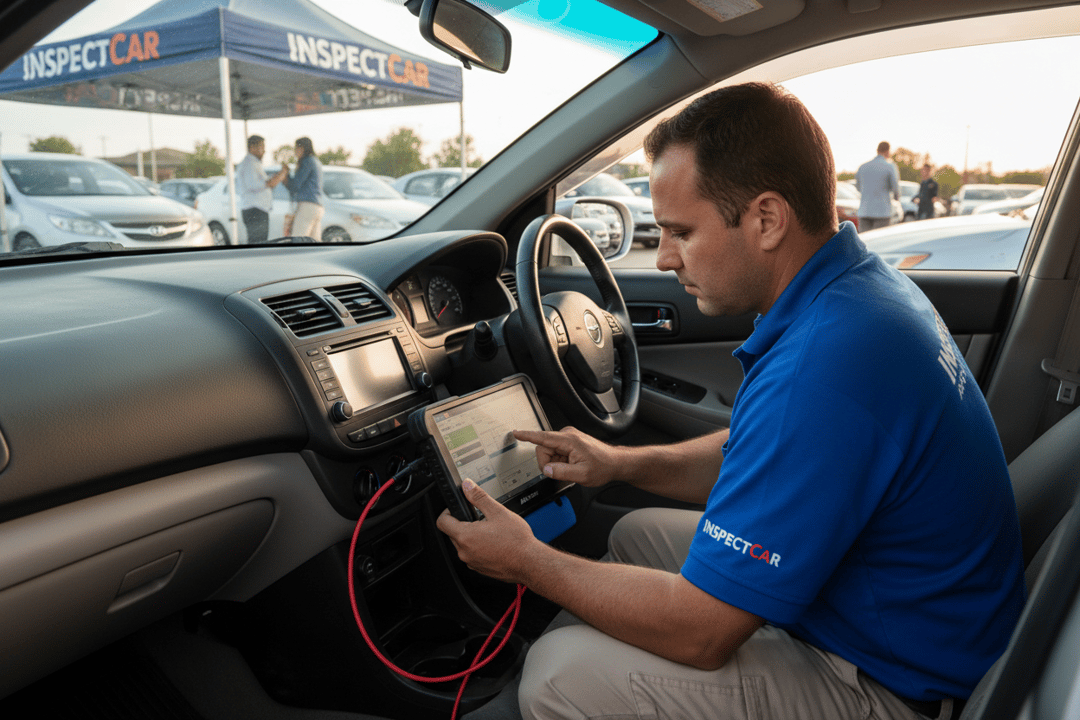
Modern vehicles like the Avalon rely heavily on electronic control units (ECUs) to manage engine performance, transmission shifts, and safety systems. A visual inspection cannot detect internal sensor failures or software glitches. Inspectors must connect an On-Board Diagnostics (OBD) scanner to retrieve stored fault codes. This process reveals issues with the Engine, Transmission, Anti-lock Braking System (ABS), and Airbag modules.
At AutoFay, we emphasize the importance of a clear diagnostic log. A vehicle with no stored codes is not necessarily problem-free, but a vehicle with active, unresolved codes indicates immediate repair needs. For a targeted check of these electronic systems, AutoFay offers a Computer Diagnostic service starting at AED 99. This package isolates the root cause of warning lights, preventing expensive guesswork during negotiations.
Engine and Transmission: Mechanical Health
The Avalon typically utilizes the robust 2GR-FE V6 engine or a 4-speed or 6-speed automatic transmission. While these units are durable, age and mileage in the UAE climate can lead to specific wear patterns. Inspectors must listen closely to the engine while the car idles. A persistent ticking noise often indicates worn lifters or a failing timing chain tensioner, which, if ignored, can lead to catastrophic engine failure.
Fluid condition is the next critical factor. The engine oil should be a honey-like consistency. If it is gritty or smells of burning, the internal engine components are likely compromised. Inspectors should also check the transmission fluid level and smell. Burnt or dark red transmission fluid suggests the transmission has overheated, a common consequence of stop-and-go traffic in Dubai traffic or insufficient cooling system maintenance. Transmission slipping—where the engine revs up without acceleration—requires immediate replacement of the transmission or a major overhaul.
Structural Assessment and Bodywork
Body integrity determines the structural safety of the vehicle. In the UAE, corrosion is often caused by road salt exposure during winter or the high salinity of the air near the coast. Inspectors must look beyond the paint for signs of accident repair. The "panel-by-panel" inspection method is essential; if the paint texture on a door edge differs from the hood, the vehicle has been repainted.
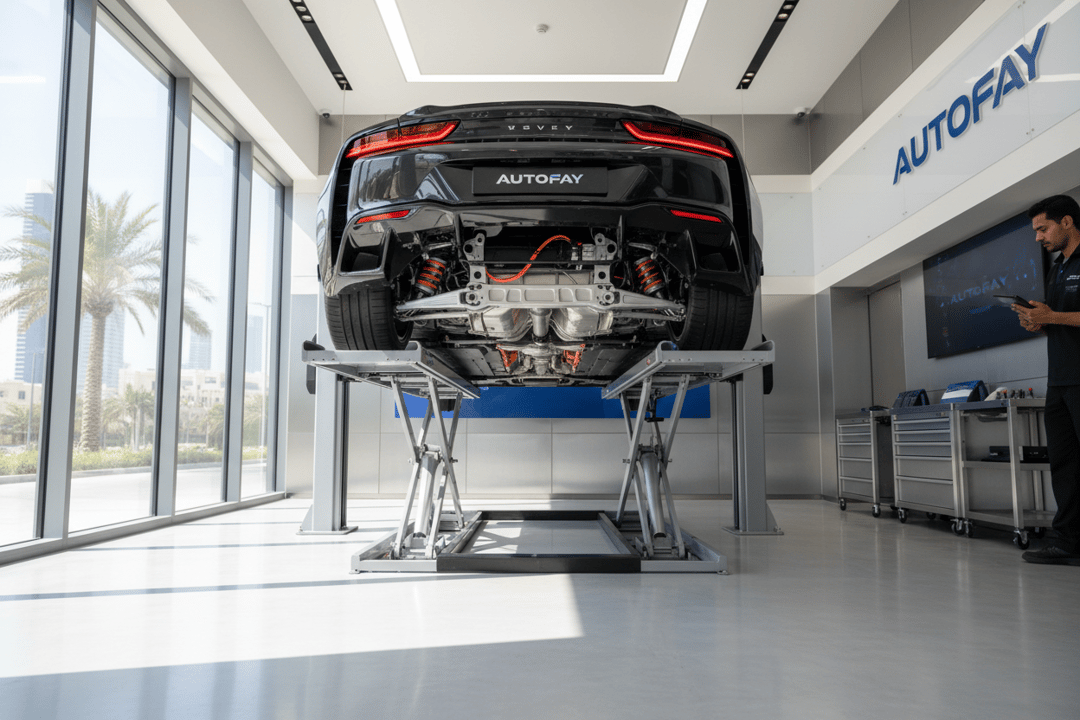
More concerning are the structural components. The frame rails, center pillars, and floor pans must be checked for rust or mismatched welds. Collision damage to these areas can compromise crash protection. If a pillar shows signs of separation from the roof or frame, the vehicle has been involved in a significant impact. AutoFay’s inspection includes a thorough check of the frame and pillars to ensure the car has not been compromised in a prior accident.
Suspension, Brakes, and Road Dynamics
The suspension system absorbs the impact of UAE road imperfections and speed bumps. Inspectors should examine the shock absorbers and struts for oil leaks or physical damage. Leaking shocks indicate they are no longer dampening the road effectively, leading to a rough ride and increased tire wear. A failed air suspension system (found in higher trims) can cause the vehicle to sag on one side, affecting alignment and safety.
Brake performance is non-negotiable. Inspectors check the brake pad thickness using a pad rating system. If the pads are below the minimum thickness, the rotors may be scored and require replacement. The brake lines and calipers should be checked for rust and leaks. During the road test, the car should stop in a straight line without pulling to the left or right. Pulling indicates a problem with the brake system or suspension geometry.
Summary of Inspection Categories
A comprehensive inspection covers twenty-five distinct categories, each vital for a complete vehicle history. The following table summarizes the primary focus areas for a used Avalon buyer:
| Category | Key Inspection Points | AutoFay Focus |
|---|---|---|
| Body & Paint | Panel-by-panel paint comparison, rust detection, and alignment. | Identifies original paint vs. accident repair. |
| Frame | Rails, pillars, and floor pan integrity. | Verifies structural collision history. |
| Engine | Sound, leaks, mounts, and smoke color. | Evaluates mechanical wear and oil condition. |
| OBD Scan | Engine, transmission, ABS, and airbag codes. | Reveals hidden electronic faults. |
| Brakes | Pad percentage rating and rotor condition. | Ensures immediate replacement needs. |
| Suspension & Tires | Shock absorbers, tires manufacturing year, and wear. | Assesses road handling and safety. |
Buying a used vehicle requires technical knowledge that extends beyond visual aesthetics. Understanding the implications of oil leaks, transmission slips, and structural rust is vital for avoiding a costly mistake. Relying on a professional service ensures that every aspect of the vehicle is documented.
AutoFay inspects 410+ checkpoints with HD photos and PDF report. Book at autofay.ae or call +971542584458.


0 Comments
No comments yet. Be the first to share your thoughts!