


The Toyota 86 represents a unique proposition in the UAE market: a lightweight, rear-wheel-drive sports coupe that balances daily drivability with enthusiast appeal. However, finding a pre-owned unit requires rigorous scrutiny due to the specific mechanical traits of the FA20 engine and the sensitivity of the DCT transmission. A superficial visual inspection rarely reveals the hidden wear that accumulates under the intense UAE sun. This guide details the critical checkpoints an inspector evaluates and the specific red flags that often plague this model in the region.
Engine and Transmission Diagnostics
The 86’s 2.0-liter naturally aspirated engine is generally robust, but it is not immune to issues, particularly regarding carbon buildup and oil consumption. Inspectors must verify the engine oil level immediately after a cool start, as this engine is known to consume oil over time. Excessive smoke during startup indicates piston ring wear or valve seal failure, which requires significant engine work to rectify.
Equally critical is the Dual Clutch Transmission (DCT). In extreme heat, transmission fluid can degrade faster, leading to harsh shifting or hesitation between gears. A professional inspection utilizes an OBD scan tool to retrieve trouble codes stored in the transmission control module. Inspectors also listen for unusual whining or grinding noises during gear changes, which suggest clutch wear or differential issues.
Visual Inspection and Paint Analysis
The body of a used Toyota 86 often bears the toll of spirited driving and urban parking in tight spaces. Curb rash on alloy wheels is a common sight, but it requires inspection to ensure the suspension components have not been damaged in the process. Inspectors check for uneven gaps between body panels, which can indicate previous collision repairs that pushed structural components out of alignment.
Assessing paint condition involves looking for orange peel texture or ripples on the hood and doors, which suggest previous bodywork. Original paint usually has clear, sharp edges around trim pieces, while repainted areas often have faded edges or a hazy finish. At AutoFay, technicians perform a panel-by-panel inspection to categorize every surface as original, repaired, or repainted, providing a visual record of the car’s history.
Chassis and Frame Integrity
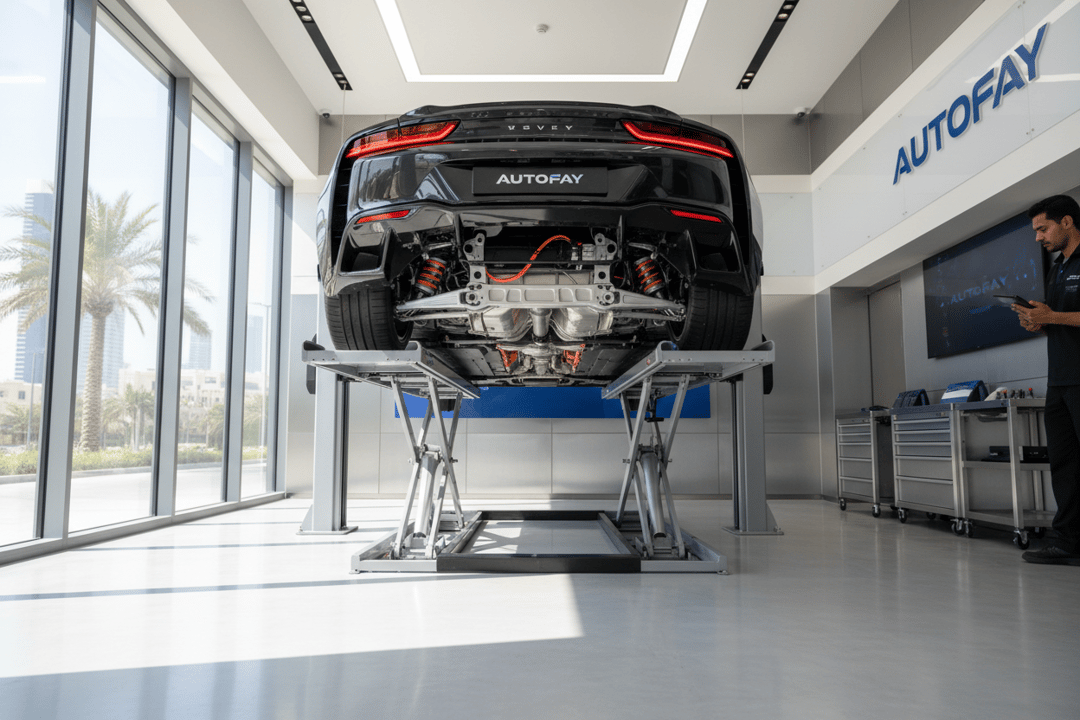
Because the 86 is a low-slung sports car, accidents often cause damage to the undercarriage rather than the exterior panels. The frame rails and floor pans must be checked for rust or corrosion, especially near the fuel tank and exhaust system where moisture can accumulate. Even minor frame damage can compromise the car’s handling dynamics and safety ratings.
Inspectors also examine the engine mounts and subframe bolts. Severe engine movement during acceleration suggests worn mounts that must be replaced. If the car has been in a front-end collision, the strut towers may be bent, affecting the alignment geometry. A thorough inspection covers these structural elements to ensure the chassis has not been compromised.
Suspension and Brake System Health
The suspension system defines the driving experience of the 86, and worn components will ruin the handling characteristics. Inspectors test the suspension by bouncing each corner of the vehicle and observing how it returns to rest. A failing shock absorber will cause the car to bounce excessively or lean significantly during the bounce test.
Brake pads and rotors are subjected to high stress in the UAE traffic. Inspectors measure the thickness of the brake pads and check the rotors for glazing or scoring. A low brake pad percentage rating requires immediate replacement to ensure stopping distance is not compromised. Tires are also scrutinized for manufacturing dates; tires older than six years may degrade rapidly in the desert heat, regardless of tread depth.
Electrical and Safety Systems
The electrical architecture of the 86 includes traction control, stability control, and a complex infotainment system. Inspectors test all warning lights on the dashboard to ensure they illuminate upon startup and turn off normally. The airbag system, in particular, must be verified to ensure the warning light does not remain on, which could indicate a deployed or faulty airbag.
Fluid levels and conditions are another critical area. Transmission fluid should be bright red and translucent; brown or black fluid indicates the automatic transmission has been overheated and requires flushing. Engine coolant should be clear or slightly green, with no signs of oil mixing, which would indicate a blown head gasket.
Choosing the Right Inspection Package
Selecting the appropriate level of inspection depends on the vehicle's age and condition. For a quick verification of engine codes and light mechanical faults, a basic computer diagnostic is available. For a comprehensive overview of the vehicle’s mechanical health and body condition, a higher-tier package is recommended.
| Service Package | Key Features | Price (AED) |
|---|---|---|
| Computer Diagnostic | Engine, Transmission, ABS, Airbag Code Scan | 99 |
| Body & Computer | Paint analysis, dent assessment, and mechanical codes | 250 |
| Comprehensive | Full 25-category inspection including frame and fluids | 399 |
Investing in a professional inspection allows buyers to identify potential issues before financial commitment. A experienced inspector provides a detailed report with evidence, ensuring that the decision to purchase is based on factual data rather than assumption.
AutoFay inspects 410+ checkpoints with HD photos and PDF report. Book at autofay.ae or call +971542584458




0 Comments
No comments yet. Be the first to share your thoughts!