

The Tesla Model 3 has redefined the compact sedan segment across the UAE, offering a blend of performance, efficiency, and cutting-edge technology. However, purchasing a used electric vehicle (EV) differs significantly from buying an internal combustion engine (ICE) vehicle. The absence of a traditional engine and transmission requires a specialized inspection approach. A thorough pre-purchase inspection identifies latent defects that may not manifest during a short test drive. This guide details the critical areas inspectors scrutinize, the specific red flags associated with the Model 3, and how professional oversight prevents costly errors.
The Criticality of Digital Diagnostics
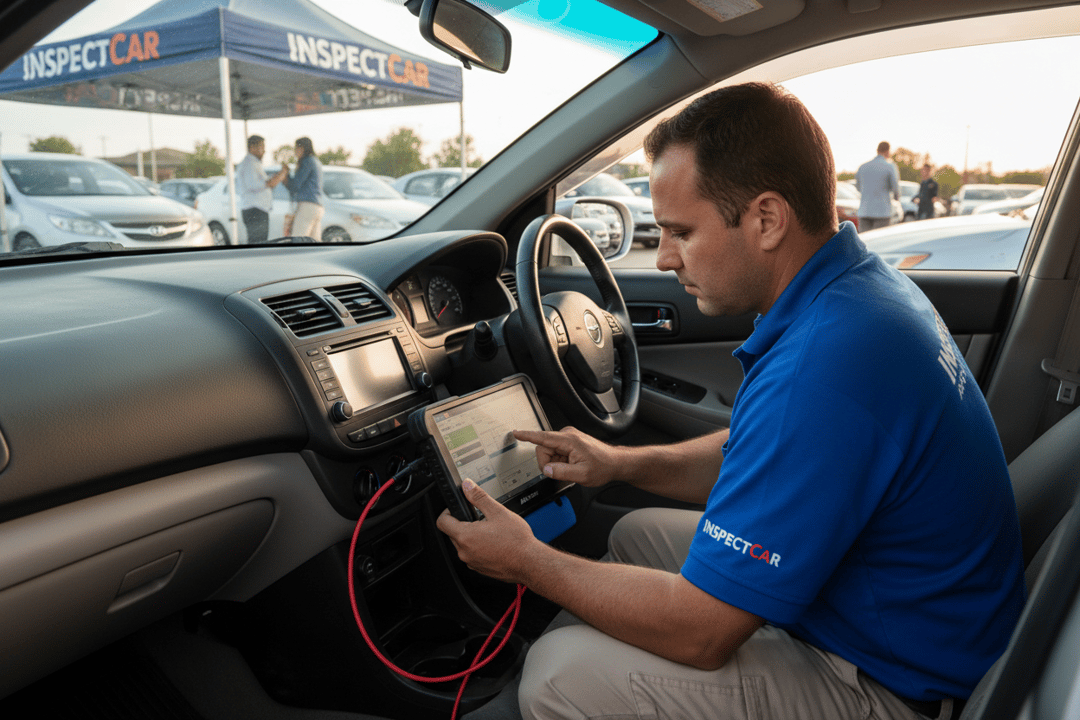
Unlike conventional cars, the Tesla relies heavily on software to manage critical systems. A experienced inspector must prioritize the On-Board Diagnostics (OBD) port to read error codes generated by the vehicle's central computer. These codes can reveal issues with the Battery Management System (BMS), braking modules, or safety sensors before they cause a total system failure.
Inspectors check for "stored" fault codes that the seller may have cleared. A clean scan log is a positive sign, while recurring error codes indicate a persistent hardware or software issue. The inspection must verify the function of Sentry Mode, which records video when the vehicle is parked, and Smart Summon, which uses cameras and ultrasonic sensors to move the car. Malfunctioning sensors in these systems can render the vehicle unsafe or legally non-compliant for autonomous driving features.
- Software Glitches: Inspectors look for unresponsive touchscreens or freezing infotainment systems, which can indicate a corrupted operating system.
- Hardware Verification: The front and rear cameras, ultrasonic sensors, and bumper radar units must be physically intact and free of obstruction.
- Fuse Box Condition: The high-voltage fuse box and cabin fuse box require visual inspection to ensure no signs of overheating or burning, which signals electrical arcing.
Battery Health and Range Degradation
The battery pack is the single most expensive component of a Tesla Model 3. In the UAE climate, high temperatures accelerate the degradation of lithium-ion cells. A pre-purchase inspection focuses on determining the State of Health (SoH) to confirm if the battery delivers the claimed range.
Inspectors analyze the battery management data to see how the battery has performed over its lifespan. A significantly degraded battery will result in rapid range loss, especially in stop-and-go traffic or during highway driving at high speeds. This degradation forces the owner to charge more frequently and may reduce the vehicle’s resale value substantially. Furthermore, a battery pack that has suffered physical damage—such as from a minor rear-end collision—poses a thermal risk. A compromised pack can lead to reduced efficiency and, in extreme cases, render the vehicle unsafe for operation.
Structural Integrity and Bodywork
The Tesla Model 3 utilizes an all-aluminum unibody chassis, which is stiffer than steel but significantly more expensive and difficult to repair. Impacts that might seem minor on a steel vehicle can cause structural misalignment on a Tesla. Inspectors perform a rigorous panel-by-panel examination to detect signs of previous accidents.
Uneven gaps between the doors, hood, and trunk indicate that panels have been removed and reattached incorrectly. The frame rails and pillar mounts must be checked for straightness. Even a slight bend in the rear frame rail can affect the alignment of the rear suspension and the drivetrain, leading to uneven tire wear and poor handling. Paint analysis is also essential; any deviation from the factory color or texture suggests bodywork has been performed.
Interior Electronics and Connectivity
The interior of a Model 3 is a dense matrix of electronics. Inspectors examine the center console, which houses the touchscreen, and the secondary controls below it. Dead pixels on the main display or unresponsive buttons can render the vehicle difficult to operate safely.
Inspectors also check the functionality of the seat heaters, steering wheel heating, and climate control system. These components are prone to failure due to the vehicle's high electrical load. Furthermore, the inspection covers the infotainment system to ensure the vehicle is up to date with the latest firmware, as older software versions may lack essential safety patches or driver assistance features.
Suspension, Brakes, and Tires
While Teslas have fewer moving parts than traditional cars, the wear patterns on tires and suspension components are distinct. The tires on a Model 3 are the only contact point with the road, and Tesla’s instant torque delivery causes rapid wear if the alignment is off.
Inspectors check the tire manufacturing date to ensure they are not expired. Old tires degrade faster in the UAE heat, increasing the risk of blowouts. For the suspension, inspectors look for worn bushings or broken stabilizer links, which create a clunking noise over bumps and affect ride comfort. The braking system requires special attention; because Teslas use regenerative braking, the front brake pads typically last longer than the rear pads. Worn rear brakes indicate the car has been driven with standard friction braking only, or the regenerative system has failed.
| Inspection Package | Price | Key Inclusions |
|---|---|---|
| Computer Diagnostic | AED 99 | OBD scan for engine/transmission/ABS codes, fuse box inspection. |
| Body & Computer | AED 250 | |
| Comprehensive | AED 299 |
The Importance of a Professional Pre-Purchase Inspection
Attempting to inspect a Tesla Model 3 without specialized knowledge risks missing critical safety defects. A standard mechanic may not have the diagnostic tools required to read Tesla-specific error codes or interpret battery health data. A professional inspection service provides a holistic view of the vehicle's condition.
Professional inspectors verify the vehicle identification number (VIN) matches the registration documents to prevent fraud. They also check the registration status to ensure the car is not stolen or impounded. The road test evaluates acceleration, braking stability, and noise levels to ensure the car drives as intended. A professional report documents these findings with HD photos and a digital PDF, providing a transparent record of the vehicle's condition.
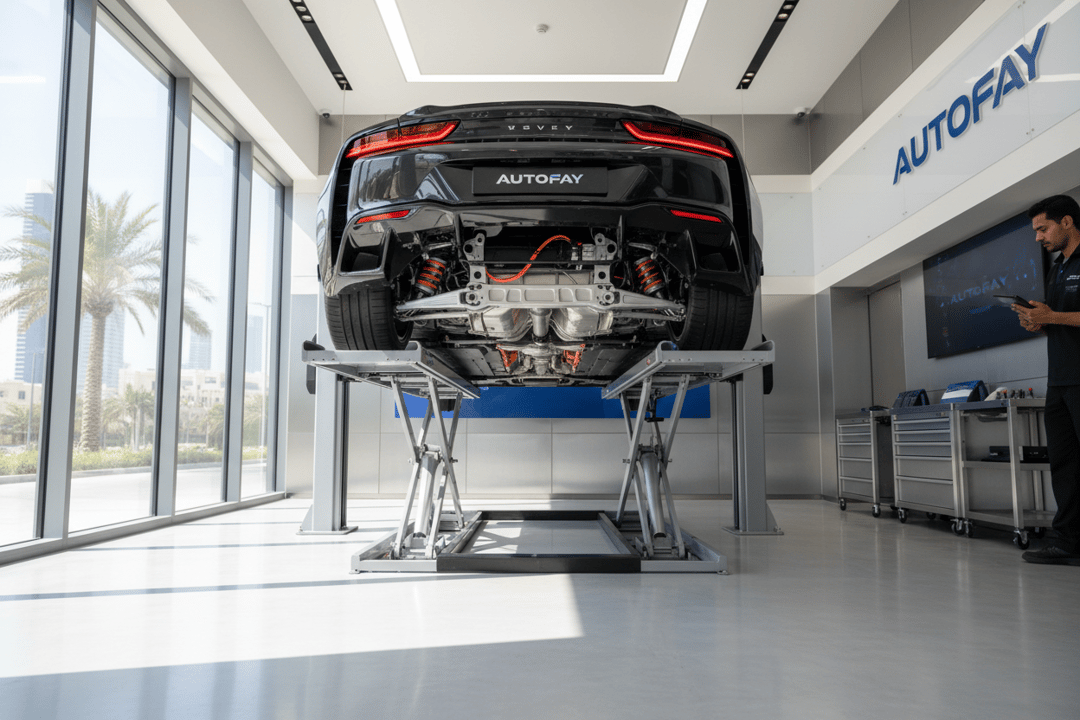
AutoFay inspects 410+ checkpoints with HD photos and PDF report. Book at autofay.ae or call +971542584458.


0 Comments
No comments yet. Be the first to share your thoughts!