

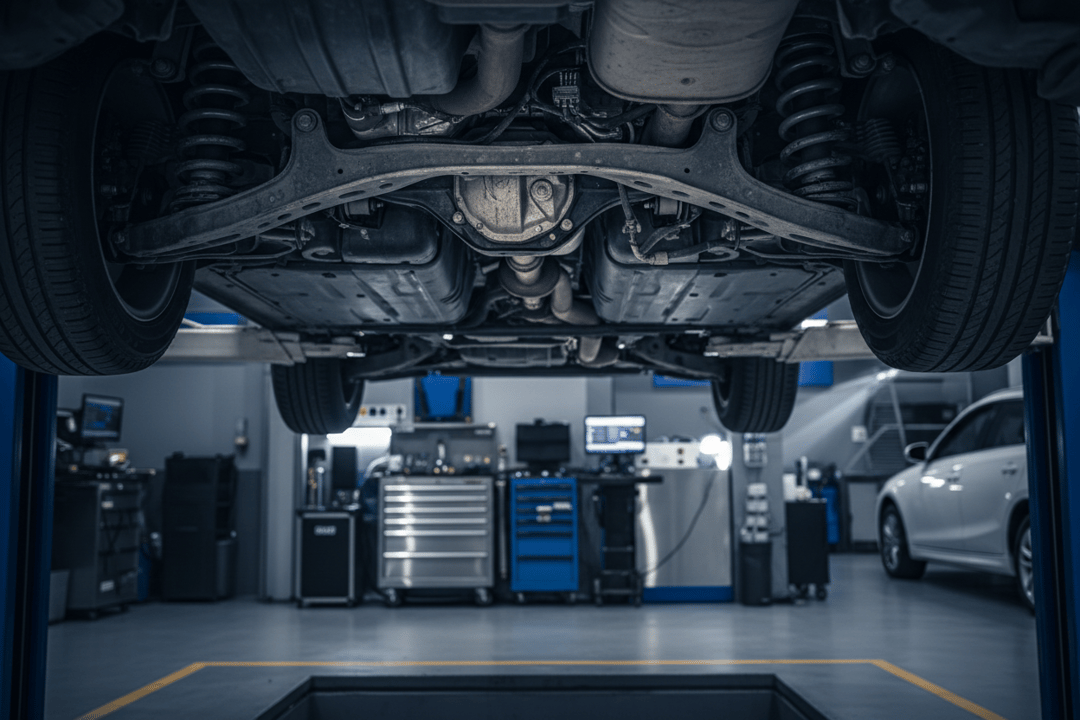
The Suzuki Vitara is a staple in the UAE automotive landscape, favored for its compact dimensions, fuel efficiency, and off-road capability. However, purchasing a used vehicle in a competitive market requires more than a visual appraisal. A professional inspection is essential to uncover hidden defects that may not be visible during a casual walk-around. This guide outlines the technical standards used by professional inspectors to evaluate a pre-owned Vitara, ensuring the buyer understands the vehicle's true mechanical and structural state.
Common Mechanical Weaknesses in the Engine Bay
The Suzuki Vitara, particularly the older a capable engine models and the 1.4 Boosterjet turbocharged units, has specific mechanical liabilities that inspectors prioritize. The timing chain tensioner is a known failure point on older chassis numbers; if it fails, the chain can stretch or derail, leading to catastrophic engine failure. Inspectors will listen for lifter ticking noises and check for oil consumption, as these symptoms often indicate wear in the valvetrain components.
For turbocharged variants, carbon buildup on the intake valves and the turbocharger itself is a frequent issue. This buildup restricts airflow, reducing engine efficiency and power. A professional inspector will check the exhaust smoke color during a cold start; thin blue smoke indicates burning oil, while black smoke suggests fuel injector problems.
Structural Safety and Body Integrity
Structural integrity is paramount for vehicle safety and resale value. The Vitara utilizes a unibody construction, meaning the body panels and frame are integrated. Inspectors conduct a panel-by-panel analysis to detect gaps that are inconsistent with factory specifications. Misaligned doors, bonnets, or boot lids suggest previous impact damage that may not have been fully repaired.
Special attention is paid to the frame rails and the A, B, and C-pillars. Corrosion in these areas can compromise the structural rigidity of the vehicle, affecting its ability to protect passengers in a collision. Even in the UAE, where salt corrosion is less common, battery acid leaks or exposure to harsh desert conditions can accelerate rust on the undercarriage. Inspectors will probe the frame rails with a magnet to detect hidden filler or bondo, which indicates previous repairs.
Electrical Systems and Diagnostic Needs
Modern vehicles rely heavily on complex electronics, and the Suzuki Vitara is no exception. Electrical gremlins often manifest as warning lights or intermittent malfunctions before total failure occurs. A professional inspection includes an OBD scan to read manufacturer-specific codes related to the engine, transmission, ABS, and airbag systems.
Common electrical issues in used Vitaras include faulty parking sensors, malfunctioning infotainment systems, and issues with the electronic parking brake. An inspector will test all warning lights on the dashboard and ensure that sensors like the lane departure warning or traction control are functioning correctly. Ignoring stored diagnostic codes can lead to expensive repairs down the line and potential safety hazards.
Suspension, Brakes, and Tires
The suspension system absorbs road imperfections and ensures stability, especially during high-speed highway driving or off-road excursions. Inspectors examine the shock absorbers, struts, and ball joints for excessive play or fluid leakage. Worn suspension components can cause the vehicle to pull to one side, produce uneven tire wear, and compromise handling.
Brake performance is critical for safety. Inspectors measure the brake pad thickness to determine the remaining life of the braking system. Worn brake pads can damage the rotors, leading to a complete brake failure if not addressed. Additionally, tire condition is assessed based on tread depth and manufacturing date. A tire older than five years, regardless of tread depth, is a safety risk due to potential rubber degradation.
The Inspection Checklist: What Inspectors Actually Check
A professional inspection is a systematic process covering 25 distinct categories. This ensures that no component is overlooked during the evaluation of the vehicle. Inspectors utilize a checklist to methodically evaluate the vehicle's condition from the ground up.
- Fluids: Inspectors check the engine oil, transmission fluid, and coolant levels. They analyze the color and consistency of the fluids to detect contamination, which can indicate internal engine wear or transmission slippage.
- Brakes: Beyond pad thickness, inspectors measure brake rotor thickness and condition to ensure they are within safety specifications.
- Suspension: A bounce test is performed to assess shock absorber functionality. The control arms and bushings are inspected for cracks or wear.
- Tires: The manufacturing date is verified using the DOT code on the sidewall to ensure the tires are not expired.
- Electrical: All lights, wipers, and the 12-volt charging system are tested for proper operation.
| Category | Key Focus | Inspection Detail |
|---|---|---|
| Body & Paint | Panel Integrity | Checks for original finish vs. repaint, checking for panel gaps. |
| Engine | Performance | Sound, smoke, and mount condition during a road test. |
| Electronics | Systems | OBD scan for transmission/ABS codes and warning lights. |
| Suspension | Ride Quality | Shock absorbers, bushings, and control arm condition. |
| Fluids | Condition | Level, color, and smell of oil, coolant, and brake fluid. |
Red Flags Specific to the UAE Market
In the UAE market, specific red flags require immediate attention during a pre-purchase inspection. One major concern is vehicle history regarding "flood damage." Although the UAE rarely experiences flooding, vehicles imported from coastal regions or damaged in heavy rain events may have water ingress in the cabin or electrical harnesses. Water in the air filter box or mud in the spare tire well is a definitive sign of water damage.
Another red flag is modification abuse. Many Vitaras in the UAE are modified for off-roading with lifted suspensions and larger tires. While these modifications are cosmetic, they alter the vehicle's suspension geometry and can cause premature wear on differential gears and wheel bearings. An inspector must determine if these modifications were installed professionally or if they have caused unintended damage to the chassis.
Service history gaps are also critical. A complete service log indicates the owner maintained the vehicle. Conversely, missing maintenance records, particularly for timing belt or water pump replacements on older models, suggest the car may have been neglected.
Investing in a professional inspection protects the buyer from unforeseen liabilities. Many service centers offer packages that cover the essential diagnostic checks needed to validate a used vehicle's condition.
AutoFay inspects 410+ checkpoints with HD photos and PDF report. Book at autofay.ae or call +971542584458




0 Comments
No comments yet. Be the first to share your thoughts!