


The Suzuki Swift remains a ubiquitous sight on the streets of the UAE, prized for its compact dimensions and fuel efficiency. While these vehicles offer excellent city performance, purchasing a used model requires a rigorous evaluation of its mechanical and structural integrity. A certified pre-purchase inspection distinguishes between a reliable commuter and a money pit. This guide outlines the critical areas inspectors scrutinize, common vulnerabilities specific to this model, and how professional assessment prevents unexpected expenditure.
The Suzuki Swift: Understanding Common Mechanical Vulnerabilities
Inspectors recognize that the Suzuki Swift, particularly those with high mileage common in the GCC, often presents specific mechanical challenges. Understanding these issues allows a buyer to probe the seller with greater technical clarity. Ignoring these symptoms often leads to engine failure or transmission damage shortly after ownership transfer.
- Oil Consumption: High-mileage Swift engines frequently consume more oil than expected. This is often due to piston ring wear or valve stem seals. Low oil levels can lead to catastrophic engine bearing failure, necessitating an engine rebuild.
- Coolant System Leaks: The thermostat housing gasket is a known weak point. Coolant leaks here can go unnoticed until the engine overheats, causing head gasket failure or warped cylinder heads.
- Suspension Bushings: The rubber bushings in the suspension arms and control arms degrade under the intense UAE heat. Failure here results in clunking noises, excessive body roll, and compromised steering response.
- CV Joints: Constant velocity joints often develop cracks in the outer boots. Once coolant or grease leaks out, the joint fails rapidly, resulting in a clicking noise during turns and expensive axle replacement.
The Professional Inspection: 25 Categories of Scrutiny
A thorough inspection goes beyond a visual walk-around; it involves a systematic evaluation of the vehicle's condition across 25 distinct categories. Professional inspectors utilize a checklist to ensure every critical component is assessed. This methodical approach ensures that no defect, no matter how minor, escapes detection.
- Body and Paint Integrity: Inspectors examine every panel for mismatched colors, overspray, or filler marks indicating previous accidents. Dents and dings are measured for depth to determine if the metal has been pushed back or if a new panel was installed.
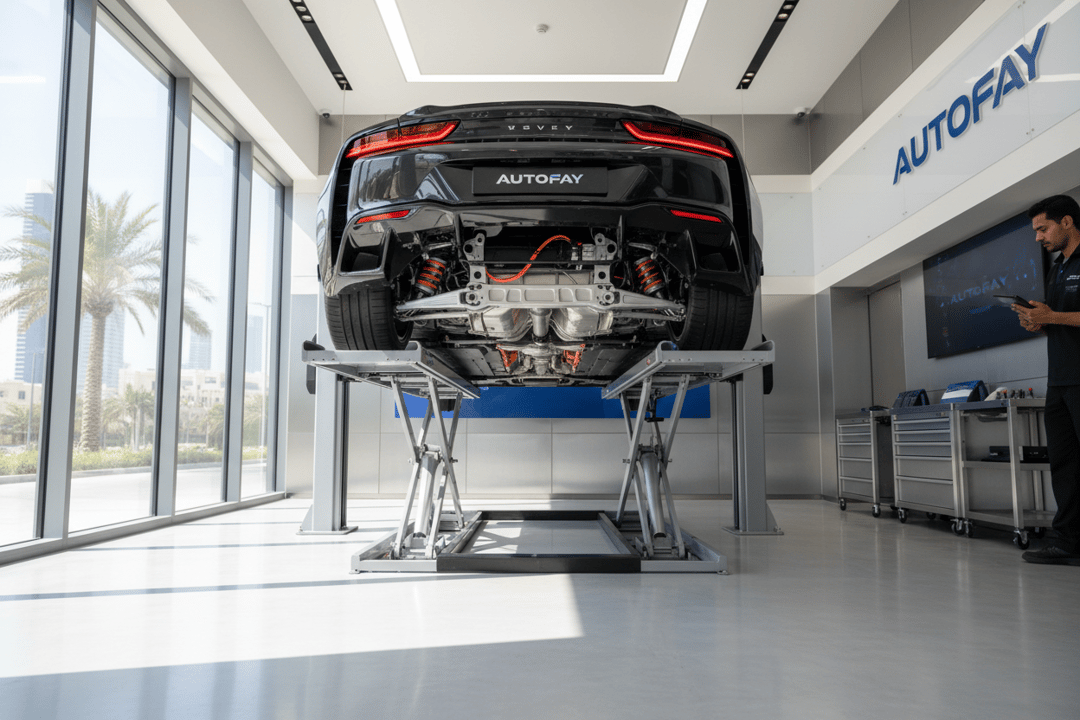
- Frame and Undercarriage: The structural safety of the vehicle relies on the frame. Inspectors check the chassis rails, pillars, and floor pans for rust, corrosion, or collision damage that could compromise structural rigidity.
- Engine Condition: The engine is inspected for leaks, oil sludge, and unusual sounds. Inspectors verify the condition of mounts to ensure the engine does not vibrate excessively or shift under load.
- On-Board Diagnostics (OBD): A digital scan retrieves hidden error codes from the Engine, Transmission, ABS, and Airbag systems. This identifies malfunctions that are not yet causing symptoms but will eventually fail.
- Braking System: Inspectors measure brake pad thickness and check rotor condition. The ABS system is tested to ensure the safety features activate correctly during a simulated emergency stop.
- Suspension and Steering: The road test evaluates the shock absorbers and ball joints. Excessive bounce after hitting a bump indicates worn suspension components that must be replaced for safe handling.
- Tire and Wheel Condition: Tires are checked for manufacturing age, as rubber degrades over time regardless of tread depth. Uneven tire wear patterns can indicate alignment or suspension issues.
- Fluids and Levels: Engine oil, coolant, brake fluid, and power steering fluid are checked for level and condition. Dirty or contaminated fluids indicate neglect and the potential for component corrosion.
- Road Test Performance: The vehicle is driven to assess acceleration, braking distance, noise, and vibration. This real-world test confirms the drivetrain functions correctly and the chassis is stable.
Red Flags: Model-Specific Warning Signs
When inspecting a used Suzuki Swift, certain red flags signal deeper problems than others. Identifying these specific markers protects the buyer from inheriting a vehicle with a compromised history. Sellers often mask these issues with temporary cosmetic fixes.
Excessive Oil Smoke: Blue smoke during acceleration indicates burning oil. This is often a sign of worn piston rings or valve guides, which are expensive repairs. White smoke usually indicates a blown head gasket or a cracked cylinder head, rendering the engine inoperable.
Clunking in the Steering: A metallic clunk when turning the steering wheel to the full lock position points to a failing intermediate shaft or worn constant velocity joints. This is a safety-critical failure that can cause the wheel to lock.
Pale Coolant Residue: If the coolant reservoir shows a milky or white substance, it indicates coolant mixing with engine oil. This confirms internal engine damage, such as a cracked block or blown head gasket, requiring a complete engine rebuild.
Transmission Hesitation: For automatic models, hesitation or slipping between gears suggests clutch pack wear or solenoid failure. This is a complex repair that often mirrors the cost of a used transmission replacement.
Why Professional Inspection Packages Matter
Relying on a visual inspection from a mechanic or a friend is insufficient for a significant purchase. Professional inspection companies provide a documented, evidence-based assessment of the vehicle's health. Utilizing a structured service ensures that the entire vehicle is reviewed, not just the parts visible from the curb.
For those seeking a detailed evaluation, tiered packages offer varying levels of depth. The Computer Diagnostic AED 99 package is ideal for checking error codes and basic functionality. For a more detailed assessment, the Body & Computer AED 250 package covers cosmetic defects alongside diagnostic scans. The most thorough option is the Comprehensive AED 299 package, which evaluates the vehicle across all 410+ checkpoints, providing a complete health profile.
| Package | Price (AED) | Scope of Inspection |
|---|---|---|
| Computer Diagnostic | 99 | OBD scan for engine, transmission, ABS, and airbag codes. |
| Body & Computer | 250 | Paint analysis, panel-by-panel checking, and computer diagnostics. |
| Comprehensive | 399 | All 25 categories including frame, fluids, tires, suspension, and road test. |
These services are available on-site across all 7 Emirates, offering convenience and immediate reporting. Inspectors provide HD photos and a detailed PDF report highlighting every defect found. This documentation serves as leverage during price negotiations and reveals the true market value of the vehicle.
Final Recommendations
Purchasing a used Suzuki Swift is a sound financial decision when supported by data. A professional inspection removes the guesswork from the negotiation process. By identifying structural rust, hidden electrical faults, or suspension wear before the purchase is finalized, the buyer avoids the hidden costs of immediate repairs.
AutoFay inspects 410+ checkpoints with HD photos and PDF report. Book at autofay.ae or call +971542584458




0 Comments
No comments yet. Be the first to share your thoughts!