

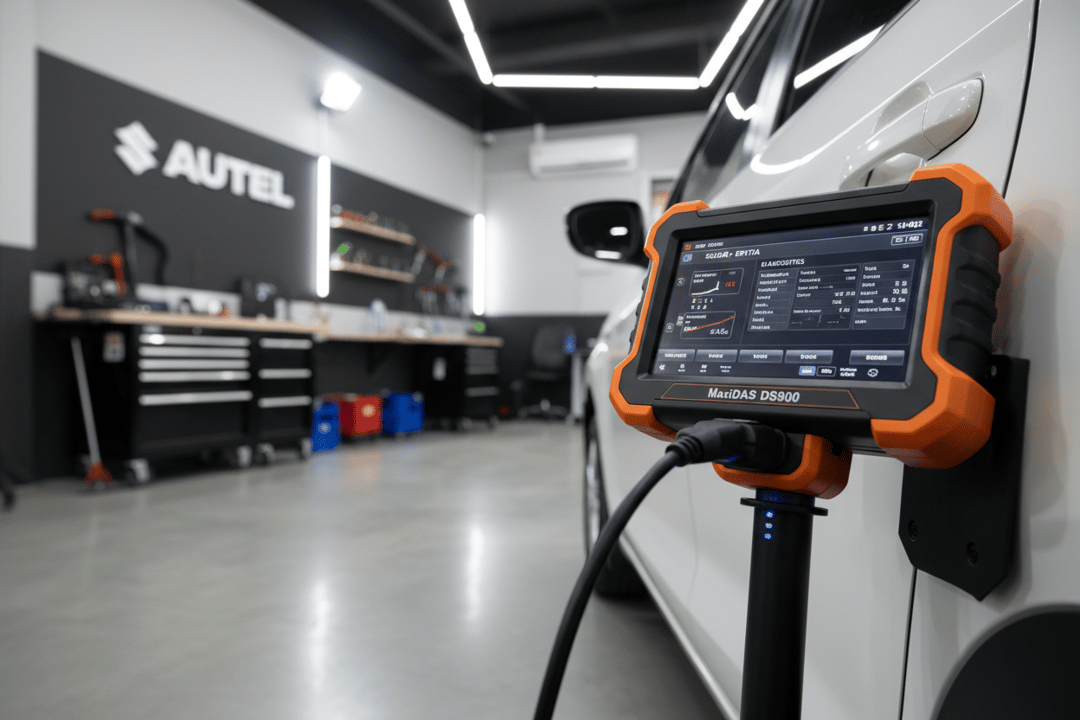
The Suzuki Ertiga has established a significant presence in the UAE market, competing directly with the Toyota Innova and Honda BR-V. Its appeal lies in its seven-passenger capacity and fuel economy, making it a frequent choice for families and ride-sharing drivers. However, the used vehicle market in the Emirates is saturated with high mileage units that have endured harsh desert conditions and stop-start traffic patterns. A pre-purchase inspection is not merely optional; it is a technical prerequisite to avoid inheriting a vehicle prone to mechanical failure. This guide outlines the specific areas inspectors focus on when evaluating an Ertiga, highlighting the common ailments of this model and the critical checkpoints required to ensure structural integrity.
Common Mechanical Weaknesses in the Ertiga
Every automotive model has specific components that tend to wear out earlier than others. The Suzuki Ertiga is no exception, and buyers must be aware of these tendencies before agreeing to a transaction. The most critical area of concern is the transmission system. The Ertiga typically utilizes a Continuously Variable Transmission (CVT).
- CVT Shudder and Hesitation: A common complaint among Ertiga owners is a noticeable shudder or vibration during acceleration. This often indicates the CVT fluid has degraded or the transmission bands are worn. If left unaddressed, this can lead to catastrophic transmission failure.
- Door Handle Mechanism: Many Suzuki models, including the Ertiga, have suffered from recalls regarding the rear door handles becoming jammed or detached internally. Inspectors verify that all four door handles operate smoothly without requiring external force.
- Electrical Gremlins: The Ertiga is equipped with numerous driver-assist and comfort features. Issues with the central locking system, the infotainment unit, or the electronic parking brake often arise due to water ingress or aging wiring harnesses.
What Inspectors Check: The Body and Frame
Visual inspection is the first line of defense in identifying a vehicle's history. In the UAE, where incorrect panel beating is common, distinguishing between original panels and repaired ones requires technical expertise. Inspectors perform a panel-by-panel examination of the Body/Paint category to determine if the vehicle has been involved in an accident.
Particular attention is paid to the A-pillars, B-pillars, and the roof rails. These areas are structurally critical and difficult to repair correctly. If the paint texture appears inconsistent or if the panel gaps are wider than standard on the doors or trunk, it suggests a collision repair. Furthermore, inspectors check the chassis rails and floor pan for rust intrusion, which is a major concern in coastal Emirates like Dubai and Sharjah.
Engine and Transmission Integrity
Under the hood, the inspection process focuses on the longevity of the capable or capable petrol engine and its associated systems. A experienced inspector will start the engine cold to listen for abnormal noises, such as rattling from the timing chain or knocking from the piston rods.
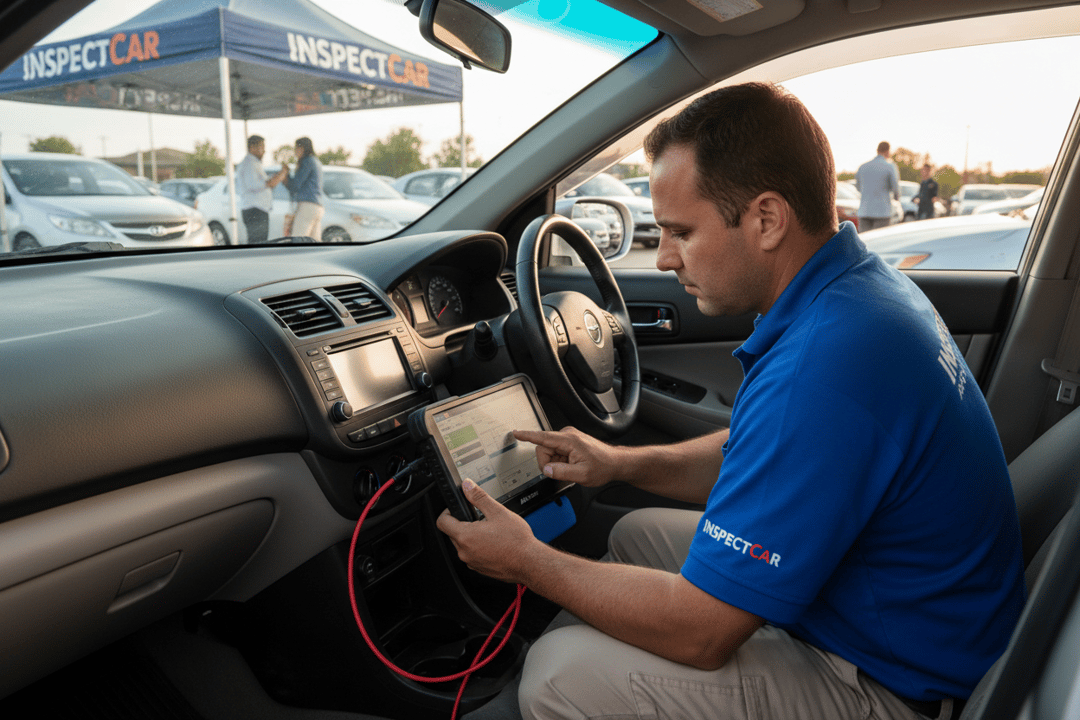
Fluids are checked for both level and condition. Engine oil should be amber or black depending on age, but it must not have a milky consistency, which indicates coolant leakage. The transmission fluid is examined to ensure it has not burnt or turned into a sludge. An OBD scan is essential to retrieve hidden error codes stored in the Engine, Transmission, ABS, and Airbag control modules. Ignoring stored codes can lead to expensive electronic failures down the line.
Evaluating Safety and Performance Systems
A vehicle is only as safe as its ability to slow down and maintain stability. Inspectors allocate significant time to the Brakes, Suspension, and Tires categories. Tires are scrutinized for manufacturing date; tires older than five years should be replaced immediately due to sidewall dry rot. The manufacturing date is located on the sidewall, within a four-digit number where the first two digits represent the week and the last two represent the year.
Brake pads are measured for thickness, and rotors are checked for thickness variation and scoring. The suspension system is tested for leaks in the shock absorbers and play in the ball joints. A road test evaluates acceleration, braking distance, and noise; vibration through the steering wheel during braking points to warped brake rotors, while clunking noises over speed bumps indicate worn suspension bushings.
The Value of Professional Inspection Packages
Attempting to inspect a vehicle alone often leads to oversight of hidden defects. A professional service provides a systematic approach to evaluation. For example, a basic Computer Diagnostic service costs AED 99 and covers the retrieval of engine, transmission, ABS, and airbag codes. This highlights underlying faults that are invisible to the naked eye.
For a more thorough assessment, the Body & Computer package at AED 250 combines paint analysis with a comprehensive OBD scan. This is ideal for vehicles with questionable accident history.
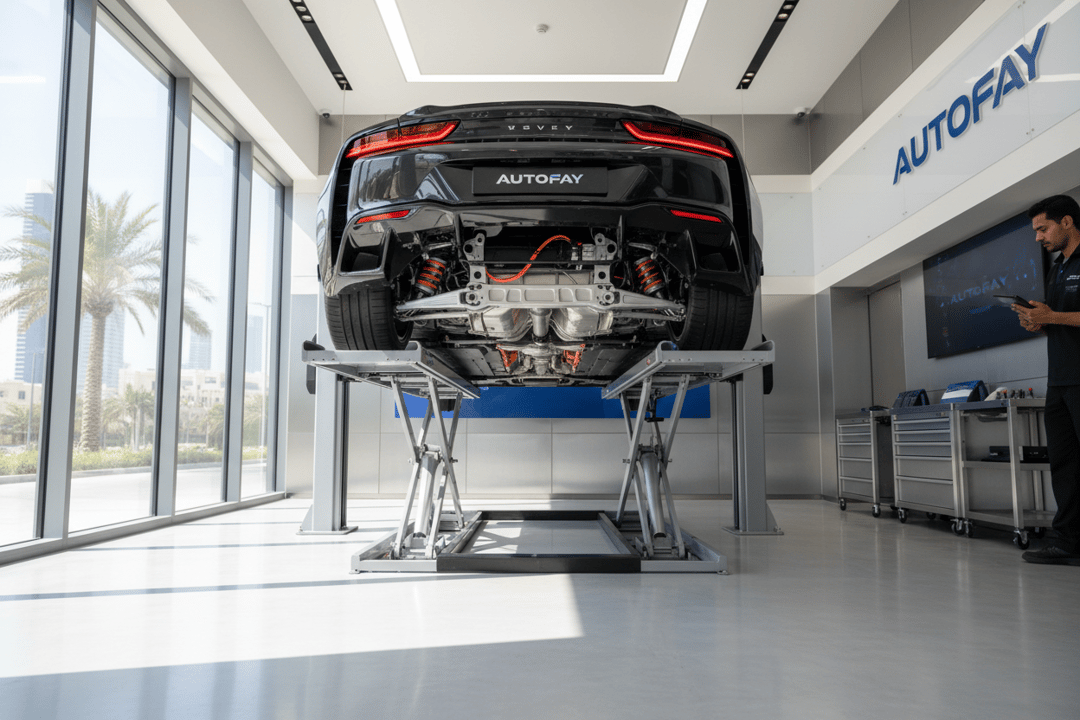
The most robust option is the Comprehensive package at AED 299. This service covers 410+ checkpoints across 25 different categories, including frame integrity, frame rails, floor pan, and a detailed road test. This level of detail ensures that the buyer understands the vehicle's true condition, preventing costly surprises after the purchase is finalized.
| Package | Price | Key Inclusions |
|---|---|---|
| Computer Diagnostic | AED 99 | Engine, Transmission, ABS, Airbag codes |
| Body & Computer | AED 250 | Paint integrity, Panel fitment, Tech check |
| Comprehensive | AED 299 | 410+ checkpoints across 25 categories |
Red Flags Specific to the Ertiga
When viewing an Ertiga in person, certain visual cues should trigger immediate suspicion. One major red flag is a cracked dashboard, which is prevalent in the Ertiga due to the expansion and contraction of plastic in high UAE temperatures. This indicates the vehicle has aged significantly.
Another critical indicator is the AC performance. The Ertiga's AC system is prone to cooling coil failures and condenser leaks. If the AC struggles to cool the cabin or if coolant is frequently topped up, the refrigerant system may be compromised, leading to high repair bills. Furthermore, inspectors listen for strange noises from the front suspension when turning the steering wheel to the lock, which can point to worn CV joints or ball joints.
AutoFay inspects 410+ checkpoints with HD photos and PDF report. Book at autofay.ae or call +971542584458



0 Comments
No comments yet. Be the first to share your thoughts!