
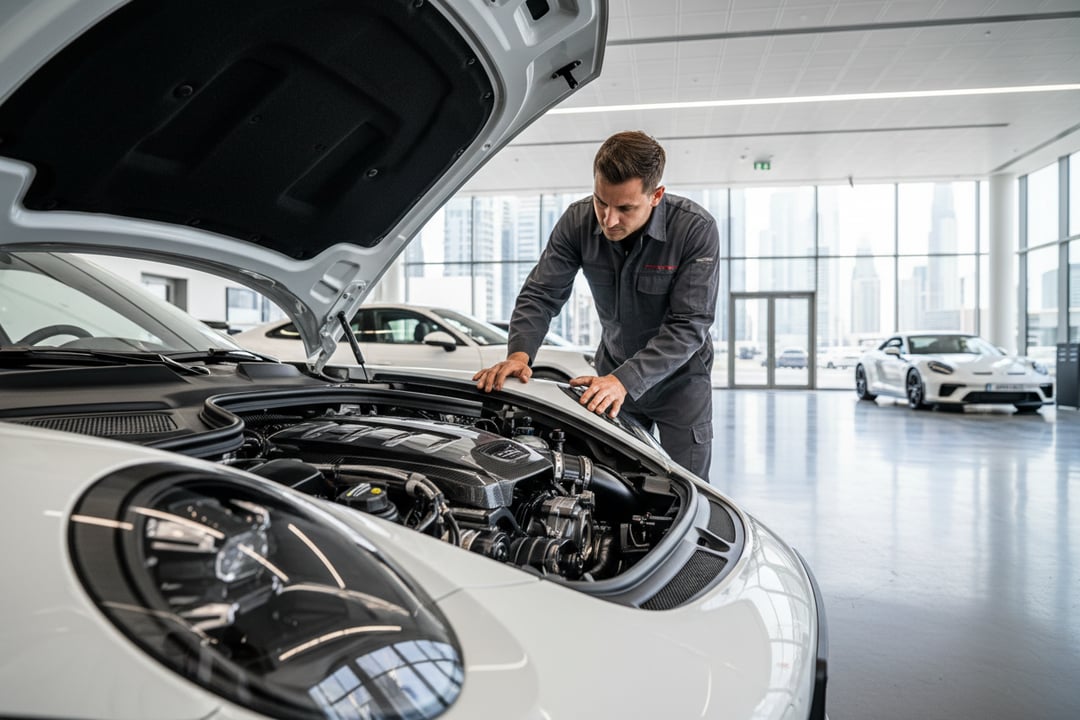
The Porsche 911 is a benchmark in the automotive world, but acquiring a pre-owned unit in the UAE requires a high level of scrutiny. The market is flooded with vehicles that have undergone significant desert exposure and high-speed driving. A visual walk-around is insufficient for this engineering marvel. Professional inspection is the only method to separate a well-cared-for example from a money pit. This guide outlines the critical areas inspectors examine, using the standards applied by licensed firms like AutoFay.
The Engine and Transmission Diagnostic Protocol
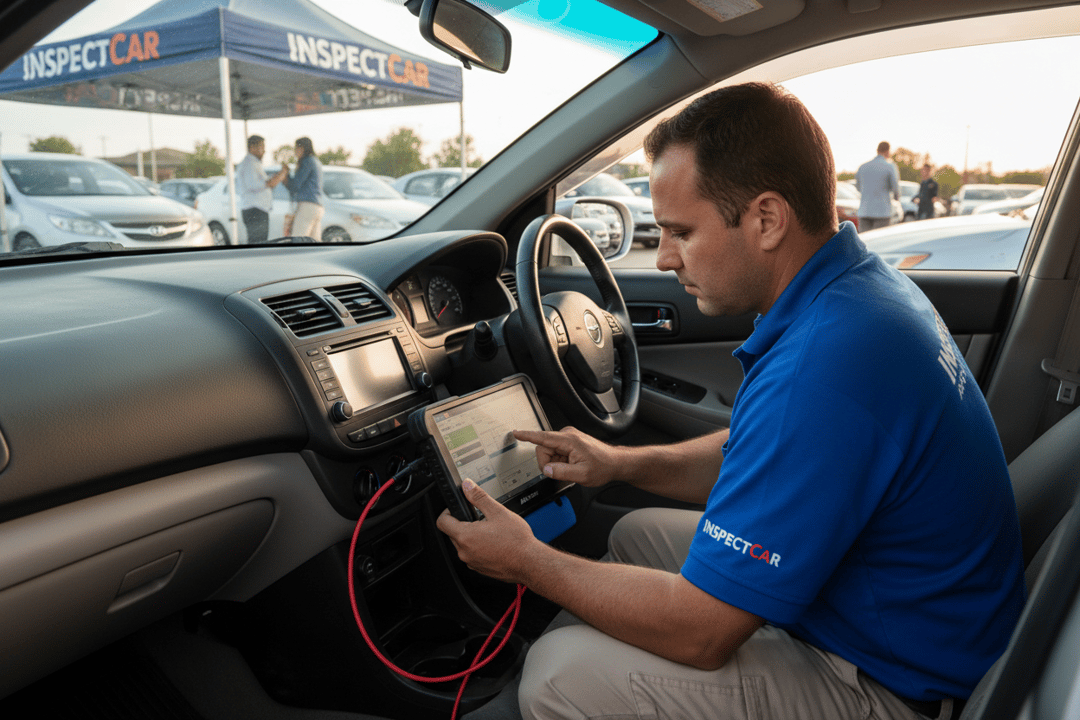
The heart of any 911 is its flat-six engine, whether air-cooled or water-cooled. These powerplants are complex and highly sensitive. A professional inspector begins with a comprehensive OBD scan to read error codes. This process checks engine performance, transmission shifting, ABS systems, and airbag modules. A Porsche with a "Check Engine" light often hides a catalytic converter issue or a misfire.
During a road test, the inspector listens for unusual noises. A ticking valve train is common in older models, but a knocking sound indicates bearing failure. Transmission lags or harsh shifting suggest the dual-clutch or automatic gearbox needs attention. Inspectors also check for fluid leaks around the engine block and differential, as oil seepage is a chronic issue on these vehicles.
- Check Engine Light Status: Must be cleared or identified. Persistent codes invalidate the vehicle's warranty.
- Smoke Testing: Essential for detecting vacuum leaks, especially on naturally aspirated 911s.
- Transmission Fluid Condition: Black or burnt fluid indicates the gearbox has not been serviced on time.
Structural Integrity and Frame Assessment
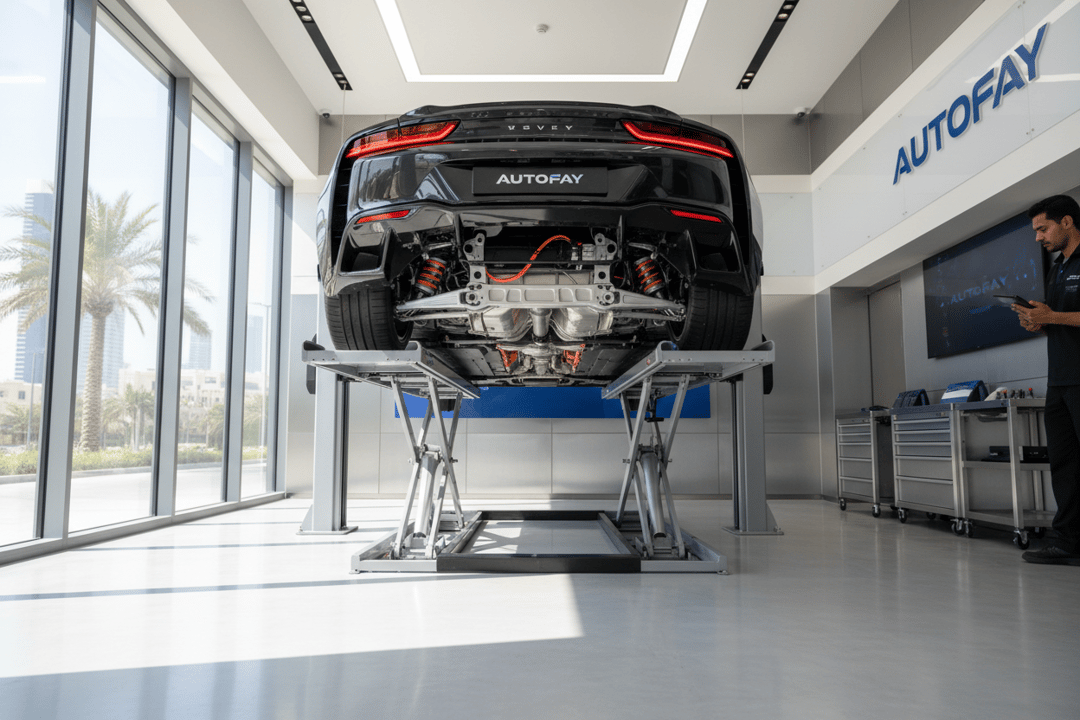
Structural damage is the most dangerous red flag because it is often hidden from the buyer. Inspectors meticulously examine the frame rails, the chassis pillars, and the floor pan. In the UAE, accidents often occur at high speeds, causing significant stress on the unibody structure. Even a minor front-end impact can compromise the alignment of the frame rails.
Panel gaps provide immediate clues about prior accidents. A Porsche should have even gaps between the doors, hood, and trunk. Misalignment of the doors or a hood that sits unevenly against the fenders suggests collision repair was performed without proper frame straightening. Inspectors also check the VIN plate location to ensure it matches the registration documents and has not been tampered with.
Bodywork, Paint, and Panel-by-Panel Analysis
Porsche 911s are frequently repainted, but the quality of that work separates a cosmetic change from a structural repair. Inspectors use paint thickness gauges to measure the clear coat. A drastic drop in thickness on a specific panel points to a repaint. The goal is to identify the original factory paint lines, such as the seam between the hood and fender.
Common areas for wear in the UAE include the roof, hood, and trunk. UV rays deplete the clear coat rapidly, leading to oxidation. Inspectors look for color mismatch between panels, which indicates the vehicle has been involved in an accident. Bumper covers are often replaced, but the quality of the primer and paint under the bumper must be verified to ensure the impact was minor.
Suspension, Brakes, and Tire Health
Suspension components in a sports car endure immense stress. Inspectors check control arms, bushings, and tie rods for wear. A worn control arm can cause the steering wheel to vibrate at high speeds or lead to unpredictable handling. The inspection also covers the subframe, which can crack over time due to age and mileage.
Brake performance is non-negotiable for a Porsche. Inspectors calculate the brake pad percentage rating. A low rating indicates immediate replacement is required. Worn brake pads expose the rotors to heat damage, resulting in warping and vibration during braking. Tires are checked for the manufacturing year; tires older than six years pose a safety risk regardless of tread depth. Inspectors verify the manufacturing date stamped on the sidewall to ensure the rubber has not aged to the point of failure.
Fluids, Electrical Systems, and Road Test
Fluid condition is a reliable indicator of a car's history. Engine oil should be amber or light brown, never black or sludgy. Transmission fluid undergoes extreme heat and must be in excellent condition. Coolant levels and the condition of the radiator hoses are also scrutinized.
The electrical systems in modern Porsches include the infotainment screen, climate control, and lighting modules. Burnt-out bulbs or flickering screens often point to loose wiring harnesses, a common issue in high-mileage vehicles. The road test evaluates the car's overall dynamics. Acceleration should be instantaneous, and braking should be firm without pulling to one side. Any vibration through the steering wheel or seat indicates a suspension or drivetrain issue.
| Inspection Package | Scope | Price |
|---|---|---|
| Computer Diagnostic | OBD scan for engine, transmission, ABS, and airbag codes. | AED 99 |
| Body & Computer | Panel-by-panel paint analysis, rust inspection, and OBD diagnostics. | AED 250 |
| Comprehensive | Full 410+ checkpoint including frame, suspension, tires, fluids, and road test. | AED 299 |
Buying a used Porsche 911 in the UAE is a significant investment that demands expert verification. Relying on a seller's description is a gamble. Professional inspection companies provide objectivity and transparency.
AutoFay inspects 410+ checkpoints with HD photos and PDF report. Book at autofay.ae or call +971542584458.


0 Comments
No comments yet. Be the first to share your thoughts!