

The Peugeot 2008 has carved a niche in the UAE market through its distinctive styling and compact footprint. However, navigating the used car market requires a disciplined approach to uncovering hidden issues specific to this model. A pre-purchase inspection is not merely a visual check; it is a technical evaluation that validates the vehicle's history and current condition. This guide details the critical aspects inspectors scrutinize when evaluating a used Peugeot 2008.
Mechanical Anomalies: The 1.2 PureTech Engine
The capable PureTech turbocharged engine is the heart of the 2008, but it is also the source of the most common complaints in the region. Inspectors must listen for abnormal ticking sounds during the engine warm-up phase, which can indicate issues with the timing chain tensioner. Another critical failure point is oil dilution, where fuel mixes with the engine oil due to turbocharger inefficiency or specific engine management software. This condition reduces the lubrication capability of the oil, leading to accelerated engine wear. If left unaddressed, the consequences include catastrophic engine failure and complete engine replacement. Inspectors verify the oil level and condition immediately upon arrival to detect signs of contamination or excessive burning.
Furthermore, the variable geometry turbocharger (VG Turbo) is susceptible to carbon buildup. This buildup restricts airflow, resulting in a loss of power and poor fuel economy. A experienced inspector will monitor exhaust smoke during the road test; white smoke often indicates coolant burning, while black smoke suggests fuel is not burning completely. Both scenarios signal expensive repairs that will not appear on a standard visual inspection.
Transmission and Drivetrain
While the dual-clutch transmission in the 2008 is generally robust, it can exhibit hesitation during gear shifts, particularly from a stop. This manifests as a slight shudder or delay in acceleration. Inspectors monitor the gear engagement during the road test to ensure smooth transitions between the first and second gears. Additionally, the CV (Constant Velocity) joints require visual inspection for torn boots, which lead to grease leakage and eventual joint failure. If the CV boots are ruptured, replacing the boots stops the leak, but if damage has progressed, the entire axle assembly must be replaced.
Electrical and Computer Systems
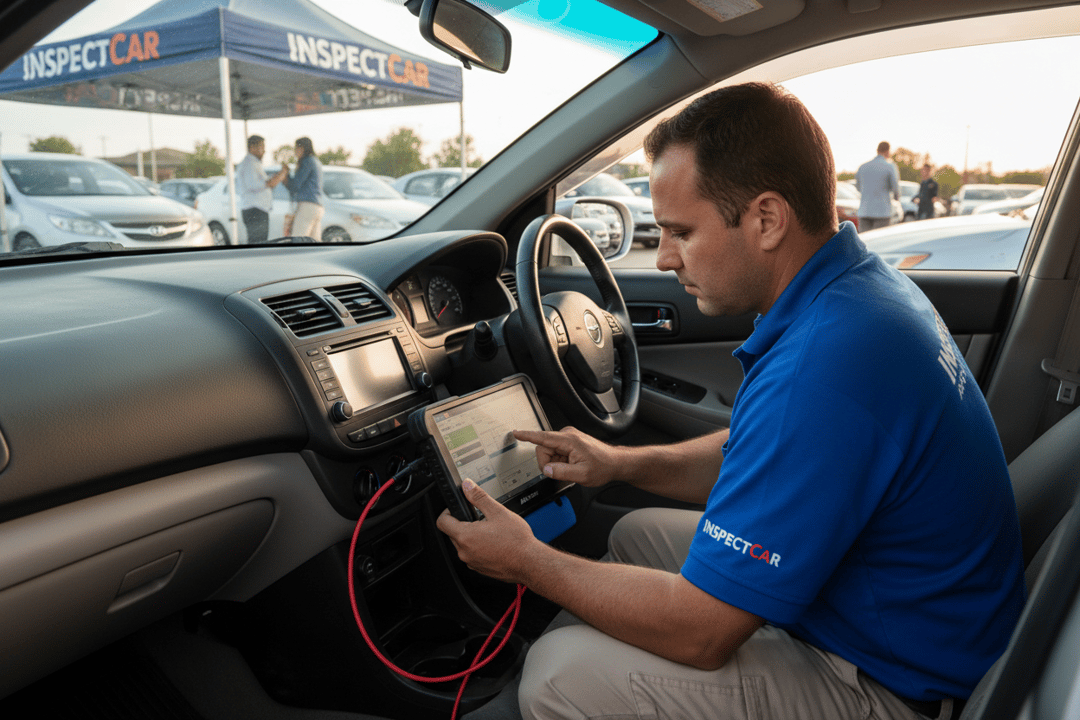
The Peugeot 2008 relies heavily on its Electronic Control Units (ECUs) to manage engine performance and vehicle dynamics. A common issue involves the Electronic Parking Brake (EPB) actuator, which can seize over time, preventing the brake from releasing or holding. This failure renders the vehicle undrivable until the actuator is replaced. Inspectors perform a complete OBD scan using professional diagnostic hardware to retrieve fault codes from the engine, transmission, ABS, and airbag systems. A "Check Engine" light that has been manually cleared is a significant red flag, as it indicates the driver is aware of a problem they intend to hide.
Infotainment system glitches are also prevalent in the 2008. Failure of the touchscreen, loss of Bluetooth connectivity, or erratic behavior of the digital instrument cluster can occur due to software corruption or hardware failure of the central control unit. These issues affect the vehicle's usability and resale value. Inspectors check for software updates and hardware damage, noting whether the system operates without errors.
Body Integrity and Frame Condition
The exterior of the 2008 is designed with sharp edges and reflective surfaces, but this aesthetic comes with practical maintenance challenges. Paint mismatch is a primary indicator of previous accident repairs. Inspectors conduct a panel-by-panel examination, comparing paint thickness on adjacent panels using a digital gauge. Significant variances in thickness suggest that body filler was used to cover dents, which compromises the structural integrity of the panel. Furthermore, inspectors check for "orange peel" texture on the paint, which indicates poor refinishing work.
| Inspection Category | What Inspectors Check | Potential Risk |
|---|---|---|
| Body & Paint | Panel-by-panel comparison, thickness gauge, original vs. repainted sections. | Hiding accident damage, structural weakness from poor repairs. |
| Frame & Chassis | Rails, pillars, floor pan alignment, rust spots near fuel tank. | Safety hazards in a collision, hidden corrosion damage. |
| Suspension | Struts, mounts, shocks, bushings, noise levels. | Unstable handling, uneven tire wear. |
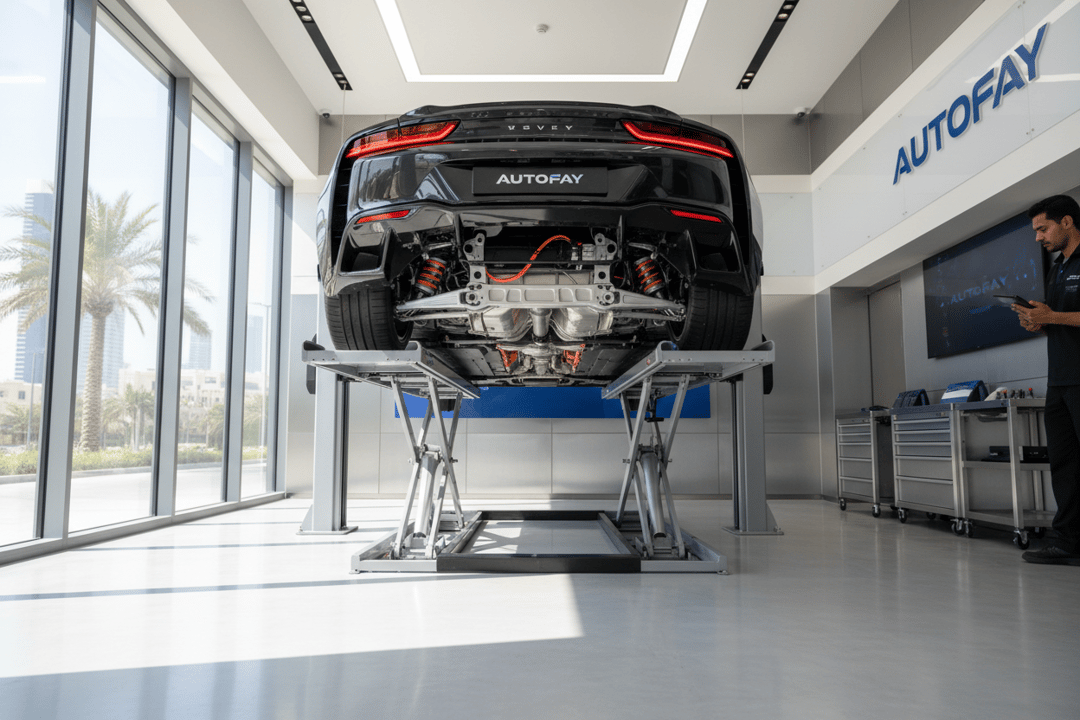
Structural integrity is paramount. Inspectors examine the unibody frame rails, A-pillars, and floor pan for signs of misalignment or corrosion. In humid climates like parts of the UAE, salt corrosion can accumulate in the wheel wells and under the fuel tank, leading to metal fatigue. Any sign of rust on structural components can lead to safety compromises during a collision and significantly lower the vehicle's value.
Safety Systems and Brakes
Brake performance dictates the safety of the vehicle. Inspectors measure brake pad thickness using calipers and scoring depth on the rotors. A pad thickness below 3mm is considered worn and requires immediate replacement. Additionally, inspectors check the brake fluid condition; water-contaminated fluid lowers the boiling point, increasing the risk of brake fade during high-speed stops. The ABS and ESC systems must be tested to ensure they function correctly during the road test, providing stability control in emergency maneuvers.
Suspension components, including shock absorbers and sway bar links, undergo rigorous inspection. Worn shocks result in a bumpy ride and increased stopping distance. Inspectors listen for "clunking" or "rattling" noises when driving over speed bumps or turning corners, which typically point to worn ball joints or control arm bushings. These failures lead to unstable handling and can result in tire damage.
Tire Condition and Fluids
Tires provide the critical contact patch between the vehicle and the road. Inspectors verify the manufacturing date embedded in the tire sidewall to ensure the vehicle is not equipped with tires that are more than five years old. Old tires degrade physically in the heat, leading to potential blowouts. Furthermore, tire wear patterns indicate suspension alignment issues; uneven wear on the inner or outer edges suggests a misalignment that will require a costly alignment service.
Fluid levels and condition are the window into the vehicle's internal health. Engine oil should be amber or brown, not black or milky. Transmission fluid should smell sweet and be bright red; a burnt smell indicates the transmission is overheating. Coolant should be clear or green, not rusty or rusty-brown, which signifies a failing radiator or head gasket. These fluids must be checked for leaks under the vehicle and around the engine bay.
The Inspection Process: Choosing AutoFay
A thorough inspection covers 410+ checkpoints across 25 distinct categories. This comprehensive approach ensures no component is overlooked. AutoFay offers on-location inspection services across all 7 Emirates, bringing the inspection center to the vehicle's location for the buyer's convenience. The process includes a full road test to evaluate acceleration, braking, noise, and vibration under real-world driving conditions.
Buyers can select from three distinct packages to fit their specific needs and budget. The Computer Diagnostic package for AED 99 focuses on retrieving engine, transmission, ABS, and airbag fault codes to identify electronic errors. For a more detailed analysis, the Body & Computer package at AED 250 combines the diagnostic scan with a comprehensive visual inspection of the bodywork and frame. For complete peace of mind, the Comprehensive package at AED 299 provides the most extensive coverage, including fluid checks, tire manufacturing dates, and a full mechanical road test.
Every inspection concludes with a detailed report containing HD photos and a PDF document outlining all findings. This transparency allows the buyer to make a financially sound decision based on data rather than assumption. Do not risk hidden mechanical failures; let professional inspectors reveal the true condition of the vehicle.
AutoFay inspects 410+ checkpoints with HD photos and PDF report. Book at autofay.ae or call +971542584458


0 Comments
No comments yet. Be the first to share your thoughts!