
The Nissan Sentra remains a staple in the UAE’s pre-owned market due to its fuel efficiency and practical sedan design. However, like any vehicle that has navigated the harsh desert climate for years, it presents specific challenges for prospective buyers. A professional inspection is not an optional luxury; it is a necessity to uncover hidden flaws that are invisible during a casual test drive. Understanding the mechanical and structural hotspots of this model ensures that the investment translates into long-term reliability rather than unexpected repair bills.
Common Mechanical Weaknesses in the Sentra
When inspecting a used Nissan Sentra, mechanics immediately scrutinize the transmission and powertrain. The Sentra, particularly models equipped with the CVT (Continuously Variable Transmission), requires careful examination for hesitation or jerking during acceleration. A CVT that slips or fails to engage promptly often indicates imminent failure, which can render the vehicle undrivable. Buyers must understand that transmission issues in this model are often expensive to rectify, potentially exceeding the value of the vehicle if ignored.
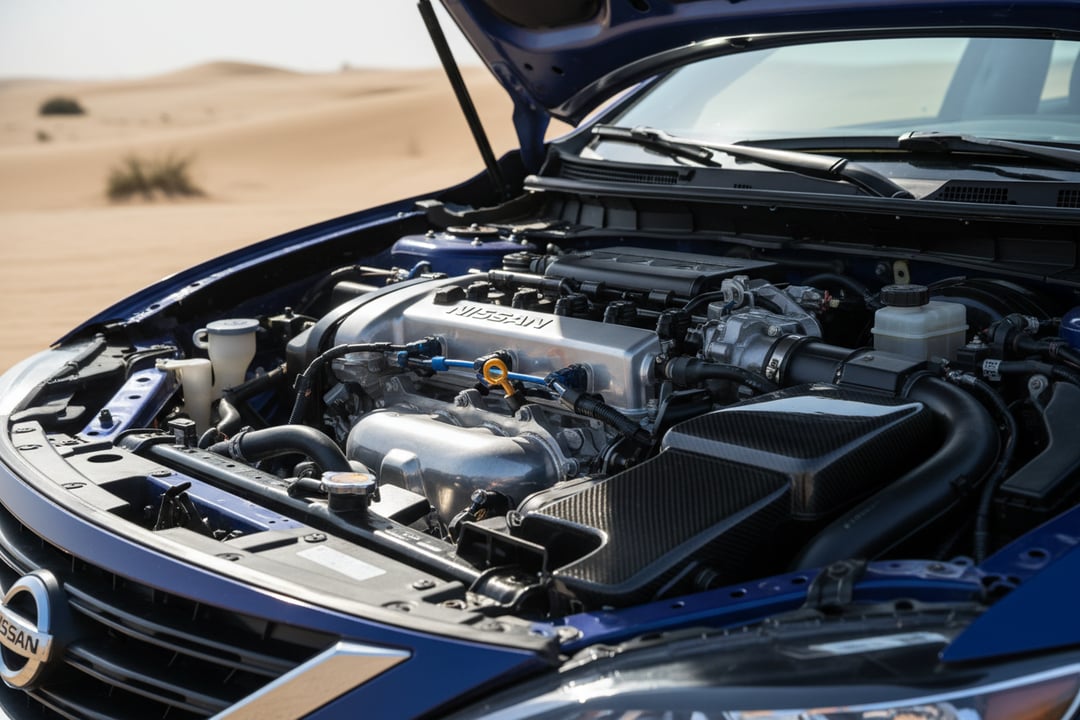
Another frequent concern involves the QR25DE engine, which is prevalent in many Sentra generations. This powerplant is generally robust, but it is historically prone to oil consumption. An inspector will check the dipstick for low oil levels between changes and look for blue smoke from the exhaust, which indicates burning oil. Furthermore, the timing chain tensioner is a component that can degrade over time; a rattling noise from the front of the engine upon cold startup is a red flag that requires immediate attention to prevent catastrophic engine damage.
Inspecting the Chassis and Frame
The structural integrity of the vehicle is the foundation of its safety and value. Inspectors use a flashlight to inspect the pillars, floor pans, and frame rails for signs of rust or corrosion, although rust is less common in the UAE than in temperate climates. more prevalent is evidence of major collision repairs. The "A-pillar" where the windshield meets the roof, and the "B-pillar" (the center roof support), are critical areas where the frame is weakened during accidents.
Panel alignment serves as a primary indicator of past damage. The gaps between the doors, hood, and trunk should be uniform and consistent with the factory specification. Significant misalignment or uneven gaps are tell-tale signs that the vehicle has been in a severe accident and subsequently repaired with poor techniques. A professional inspection service examines these joints to ensure the car has not been subjected to bending forces that compromise its structural rigidity.
Engine and Powertrain Assessment
A comprehensive visual and auditory check of the engine bay reveals the vehicle's mechanical health. Inspectors look for leaks, specifically around the valve cover gaskets and camshaft seals, as these are common failure points that can lead to oil dripping onto hot exhaust components. This dripping oil creates a fire hazard and accelerates the degradation of the surrounding engine components.
The condition of the engine mounts is also critical. These rubber isolators dampen vibration between the engine and the chassis. Over time, they crack and deteriorate, causing noticeable vibrations to transmit through the steering wheel or seat. An inspector will physically rock the engine while it is running to assess the condition of the mounts. Worn mounts lead to misalignment of the drivetrain, accelerating tire wear and potentially damaging the transmission mounts over time.
Electrical Systems and Safety Tech
Modern vehicles rely heavily on electronics, and the Sentra is no exception. The inspection process involves testing every power window, mirror adjustment, and seat motor to ensure full functionality. A single failed window motor can be a nuisance, but a failure in the central locking system or the alarm may indicate a deeper issue with the vehicle's body control module (BCM).
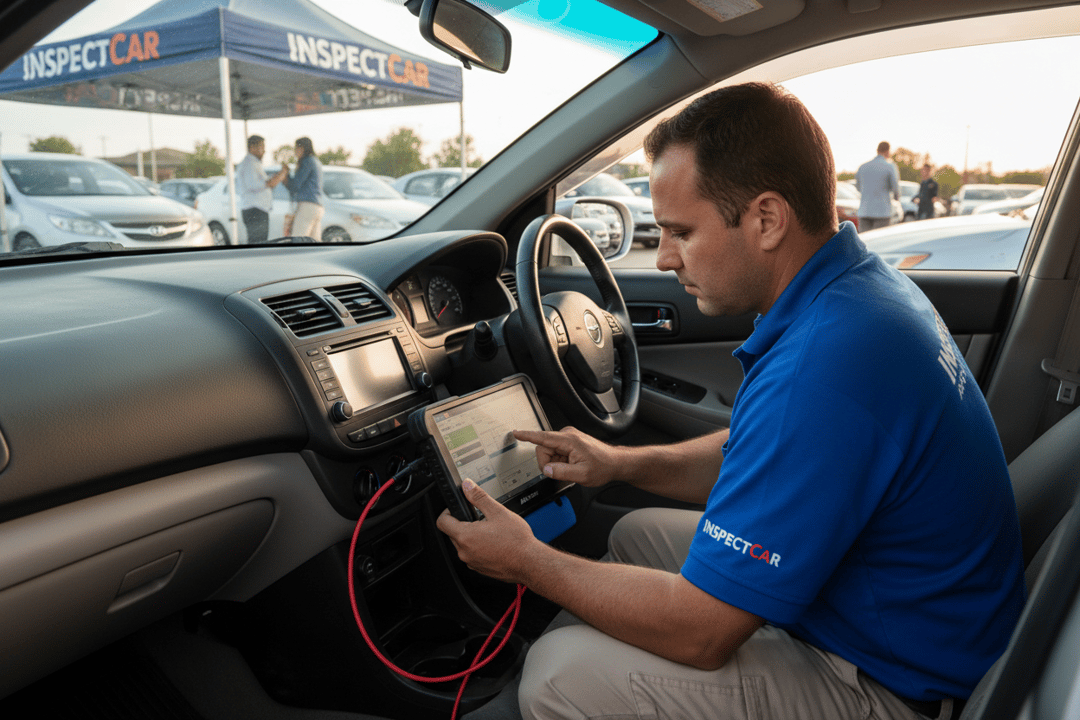
Safety systems require rigorous testing as well. The airbag system must be fully operational; a system with a "Service Engine Soon" light that persists after an OBD scan is a critical safety concern. Inspectors use diagnostic tools to scan for stored fault codes in the ABS module, airbag module, and engine control unit. A code stored in the airbag system, even if the airbags have not deployed, suggests a history of impact that may void safety warranties or mask underlying damage.
Suspension, Brakes, and Tires
The suspension system dictates the ride quality and handling characteristics of the Sentra. Inspectors listen for clunking or rattling noises over bumps, which often point to worn control arm bushings or ball joints. These components ensure proper alignment; if they fail, the vehicle will pull to one side, and the tires will wear unevenly, reducing their lifespan and compromising safety.
Brake performance is non-negotiable. Inspectors measure the remaining thickness of the brake pads using a caliper gauge. A pad rating below 50 percent indicates that replacement is imminent. Furthermore, the rotors must be checked for warping or scoring. Vibration felt through the brake pedal during braking is a clear sign of warped rotors, which are a common consequence of worn pads or aggressive driving habits.
Tires are the only point of contact between the vehicle and the road. Inspectors verify the manufacturing date stamped on the sidewall of every tire. Tires older than five years lose their structural integrity, regardless of tread depth. In the UAE's high temperatures, aging rubber degrades rapidly, increasing the risk of a blowout. Ensuring the tires are within their lifespan is a simple but vital safety checkpoint.
Choosing the Right Inspection Package
Selecting the appropriate level of inspection depends on the budget and the specific needs of the buyer. While a basic check can highlight obvious issues, a comprehensive report offers the detail required to make a sound financial decision. Understanding the scope of each service ensures that no category is overlooked.
| Package | Scope of Inspection |
|---|---|
| Computer Diagnostic | Engine, Transmission, ABS, SRS (Airbag) codes scanned and interpreted. |
| Body & Computer | Computer Diagnostic plus a detailed examination of paintwork, panel gaps, and surface condition. |
| Comprehensive | Includes Body & Computer plus 25 categories covering frame integrity, engine sound, mounts, fluid condition, brakes, suspension, and tires. |
Investing in a thorough inspection eliminates the guesswork associated with purchasing a used vehicle. It provides a clear picture of the car's true condition, separating cosmetic flaws from genuine mechanical defects. This transparency allows the buyer to negotiate from a position of knowledge rather than emotion.
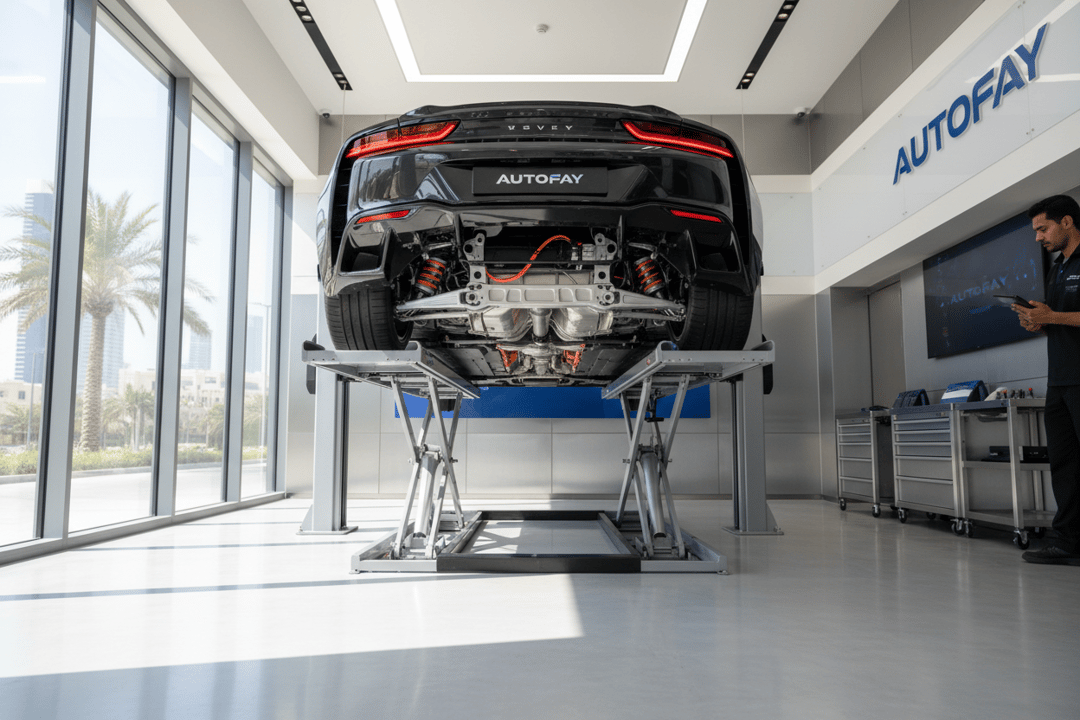
AutoFay inspects 410+ checkpoints with HD photos and PDF report. Book at autofay.ae or call +971542584458


0 Comments
No comments yet. Be the first to share your thoughts!