
The Nissan Sentra has established a presence in the UAE market, appealing to buyers seeking a compact sedan with practicality. However, the harsh environment of the region—characterized by extreme temperatures, abrasive desert dust, and frequent gravel road usage—exposes specific weaknesses in this vehicle platform. A pre-purchase inspection is not merely a formality but a critical diagnostic necessity to uncover latent issues that may not be visible to the naked eye. Understanding these common failure points allows buyers to verify the vehicle's true operational state before assuming ownership.
Engine Reliability and Oil Dilution Concerns
The MR20DE engine found in many Sentra models is generally known for durability, but it exhibits specific vulnerabilities under the thermal stress of the UAE climate. One of the primary concerns reported during inspections is oil dilution, where engine oil absorbs moisture and fuel vapors due to condensation from short driving cycles in high humidity or heat. This results in a thinner oil consistency that compromises lubrication, potentially leading to internal engine wear or increased emissions.
Inspectors must thoroughly examine the exhaust smoke during the road test; blue smoke indicates burning oil, while white smoke suggests coolant leaks or significant moisture contamination. Additionally, the condition of the engine mounts is vital because worn mounts transmit excessive vibration to the cabin, masking underlying mechanical faults. A professional inspection service will look for oil leaks around the valve cover gasket and timing chain cover, as these areas are prone to drying out and cracking in the desert sun.
- Check for oil level fluctuations: Verify if the oil level rises significantly after the engine cools down, indicating water or fuel dilution.
- Listen for timing chain noise: A rattling sound at idle can indicate a stretched timing chain, a common wear item in high-mileage Sentras.
- Inspect the PCV valve: A clogged Positive Crankcase Ventilation valve exacerbates oil dilution and pressure buildup within the crankcase.
Transmission and Drivetrain Dynamics
While manual transmissions in the Sentra are often reliable, the automatic variants frequently present challenges, particularly regarding the Continuously Variable Transmission (CVT). The CVT relies on a belt and pulley system that can suffer from shock and jerking when the transmission fluid degrades or the rubber cooling lines harden due to prolonged exposure to excessive heat. In the UAE, where stop-and-go traffic is common, the CVT may struggle to maintain smooth gear transitions, leading to a jerky driving experience.
Inspectors should pay close attention to the transmission fluid condition during the fluid inspection phase. Burnt or discolored fluid indicates that the transmission has been overheated, which significantly reduces its service life expectancy. Furthermore, the drivetrain mounts must be evaluated to ensure they can handle the torque transfer without excessive twisting or vibration, which is often mistaken for engine issues.
- Symptoms of CVT failure: Listen for whining or buzzing noises that change pitch with engine speed, or feeling a "shudder" during acceleration.
- Transmission fluid check: The fluid should be bright red and smell sweet; dark brown or black fluid suggests overheating and imminent failure.
- Pedal response: A "spongy" or delayed response when shifting gears can indicate air in the hydraulic lines or a failing solenoid pack.
Electrical Systems under UAE Heat Stress
Electrical systems in the Nissan Sentra are susceptible to degradation due to the relentless heat and the high conductivity of saline air in coastal regions. The wiring harnesses, particularly those running near the engine bay, can suffer from insulation melting or cracking, leading to short circuits or intermittent sensor failures. The climate control module, which operates under immense stress cooling the cabin, is another frequent point of failure, often resulting in erratic temperature regulation or compressor cycling.
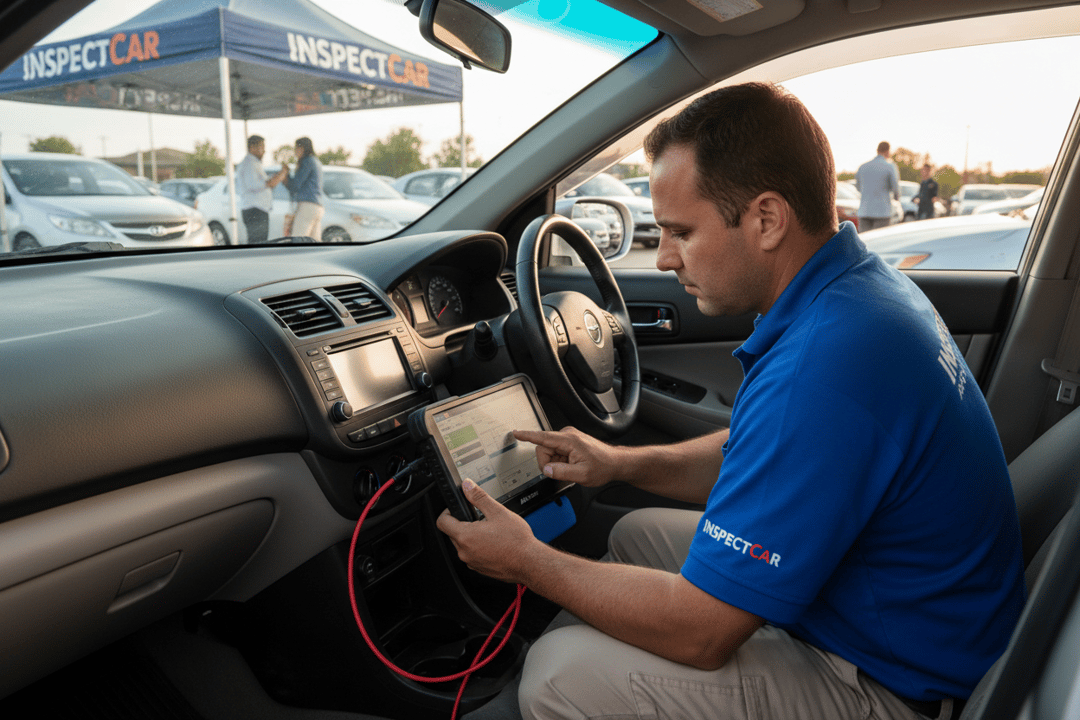
Modern Sentras rely heavily on sensors for fuel efficiency and performance; a single faulty oxygen sensor or coolant temperature sensor can trigger the "Check Engine" light and trigger the vehicle into "limp mode," significantly reducing power output. An OBD scan is essential to reveal these hidden faults. Furthermore, the battery terminals can corrode rapidly due to the humid coastal air, causing starting issues and erratic electrical behavior.
Suspension and Undercarriage Stress
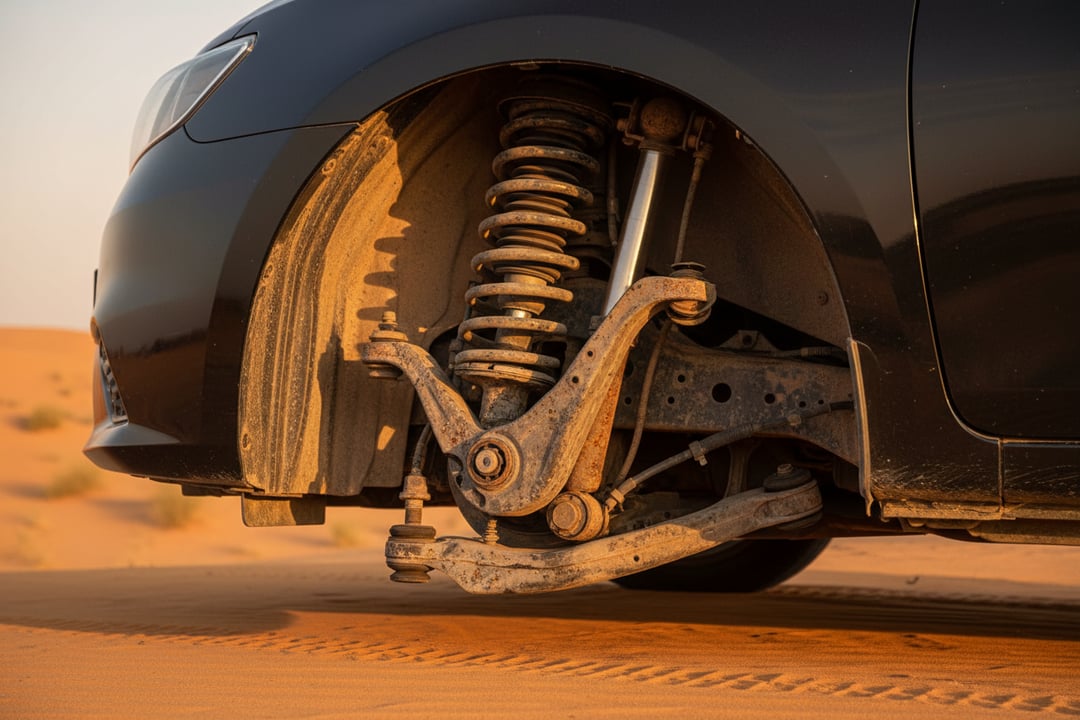
The suspension system of a used Sentra in the UAE often bears the brunt of the region's road conditions, which include frequent trips to the mountains and exposure to salt on highways. Struts and shock absorbers tend to lose their damping capability prematurely in high-temperature environments, leading to a bouncy ride and reduced tire life. The anti-roll bars and control arm bushings are also prone to cracking and splitting, which compromises the car's handling stability.
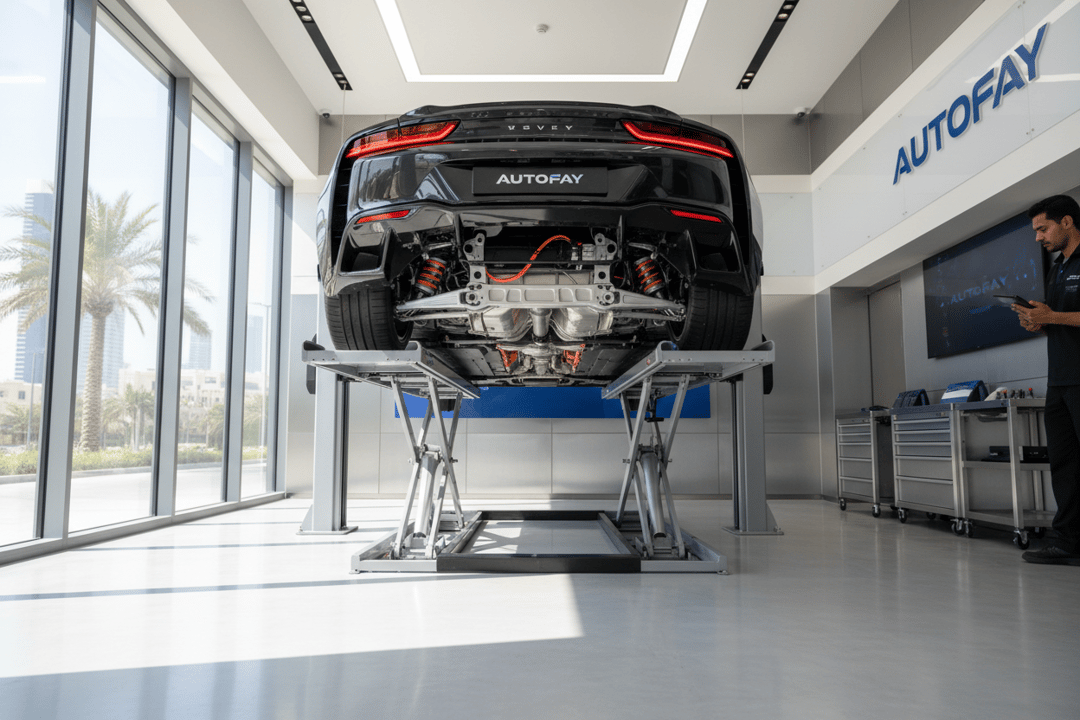
Inspection of the vehicle's frame is critical to identify rust, particularly on the lower sills, chassis rails, and wheel arches. The use of salt on bridges and roads, followed by heavy washdowns, accelerates corrosion at these hidden junction points. A compromised frame not only poses a safety risk but can also lead to misalignment issues, causing premature tire wear and steering instability.
| Component | Common Issue in UAE | Inspection Focus |
|---|---|---|
| Engine | Oil dilution and timing chain wear | Check oil level consistency and listen for rattling |
| Transmission | CVT shudder and fluid overheating | Test drive for jerkiness; check fluid color |
| Electrical | Sensor degradation and wiring insulation | Perform OBD scan for error codes |
| Suspension | Rust on chassis and worn shocks | Inspect undercarriage for corrosion and bounce test |
Body and Frame Integrity
While the Nissan Sentra features a sturdy unibody design, the paintwork and panel alignment give away previous accidents or poor maintenance. In the UAE, the intense UV exposure can cause clear coat peeling and fading, but this cosmetic issue is less critical than the structural integrity of the panels. Inspectors must verify that panel gaps are consistent between doors, hood, and trunk lid.
Special attention must be paid to the "A-pillars" and "B-pillars," as these structural areas often hide accident damage that can affect the roof's rigidity. Additionally, the vehicle's frame rails should be inspected for straightness; any signs of welding repairs or bondo on the floor pan suggest previous flood damage or severe collision repair, which significantly devalues the vehicle and affects safety systems.
Professional Inspection Solutions
Detecting these issues requires a comprehensive examination that goes beyond a casual visual check. A professional inspection service provides a report detailing the vehicle's health across 410+ checkpoints. For those seeking a detailed analysis of the engine and transmission health, the Computer Diagnostic service is available at AED 99. This package uncovers hidden electronic faults and airbag codes that may not trigger the dashboard warning light.
For a complete overview of the vehicle's mechanical and structural condition, the Comprehensive inspection package offers the highest level of detail for AED 299. This on-location package covers all 7 Emirates, providing HD photos and a PDF report. The Body & Computer package, priced at AED 250, combines a visual body assessment with an electronic diagnostic scan.
AutoFay inspects 410+ checkpoints with HD photos and PDF report. Book at autofay.ae or call +971542584458


0 Comments
No comments yet. Be the first to share your thoughts!