

The Nissan Patrol remains a dominant force in the UAE's used car market, valued for its robust four-wheel-drive capability and commanding presence. However, high mileage and harsh environmental conditions—sand, heat, and road salt—often take a significant toll on these vehicles. Buyers must move beyond visual appeal and understand the mechanical reality of the vehicle they intend to purchase. A professional inspection provides the necessary data to uncover hidden defects that a casual glance cannot reveal.
Engine Health and Common Drivetrain Failures
The heart of the Nissan Patrol is typically its VQ35DE or V8 engine, which is reliable but susceptible to specific wear patterns. One of the most prevalent issues in used Patrols is excessive oil consumption. If the vehicle requires more than a liter between service intervals, the piston rings or valve stem seals may be worn, leading to increased operating temperatures and potential engine damage if left unaddressed.
Another critical component is the timing chain and tensioners. On higher-mileage units, the plastic guides inside the timing chain cover can wear out and crack. This often results in a ticking noise originating from the front of the engine. If the tensioner fails completely, the chain can skip teeth, causing catastrophic engine failure that would require a complete replacement.
Inspectors also scrutinize the transmission, particularly the automatic gearbox. A common symptom of failing transmission gears is a hesitation or delay when shifting from Park to Drive or during acceleration. This often indicates worn clutch packs or solenoid issues, which can be expensive to rectify.
Chassis Integrity and Rust Assessment
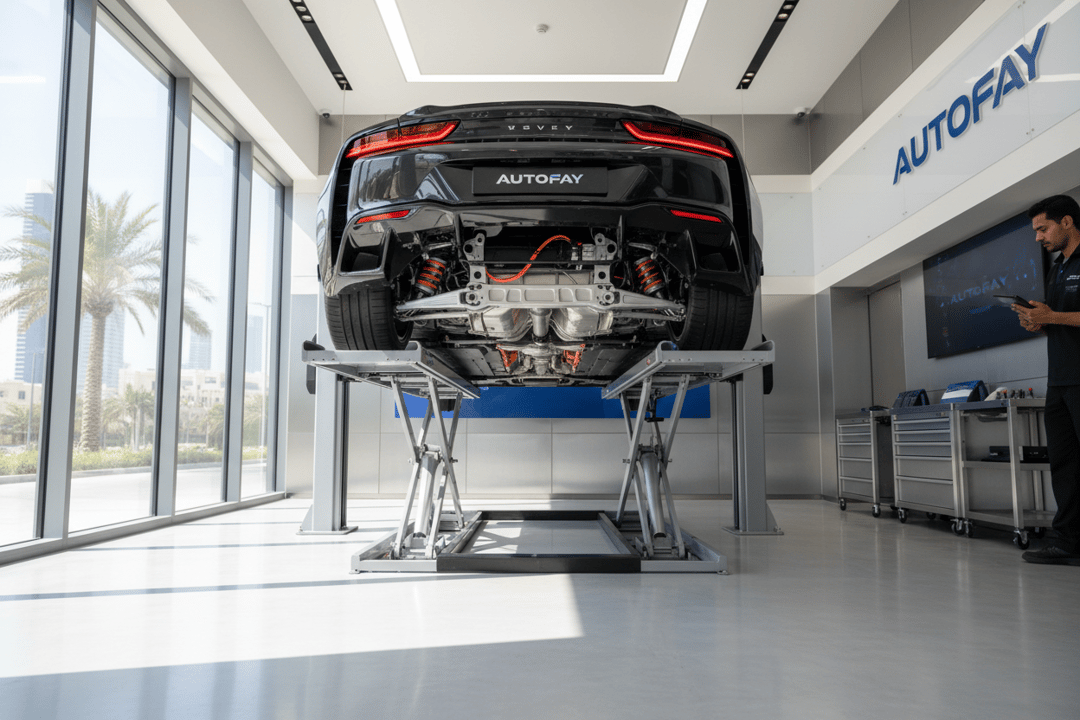
Unlike body-on-frame vehicles, the Patrol utilizes a welded chassis that provides superior strength but is vulnerable to corrosion in the UAE. Salt from the sea and de-icing chemicals, even if used sparingly, accelerate rust formation in hard-to-reach areas. A thorough inspection focuses on the undercarriage, specifically the frame rails, floor pans, and wheel arches.
Visible bubbling paint often indicates rust starting from the inside out. Inspectors must check the "A" and "B" pillars for rust intrusion, as this compromises the structural safety of the vehicle. Additionally, the suspension mounts, particularly the upper and lower control arms, can rust through, leading to loose suspension components that affect handling and tire wear.
Electrical Diagnostics and OBD Scanning
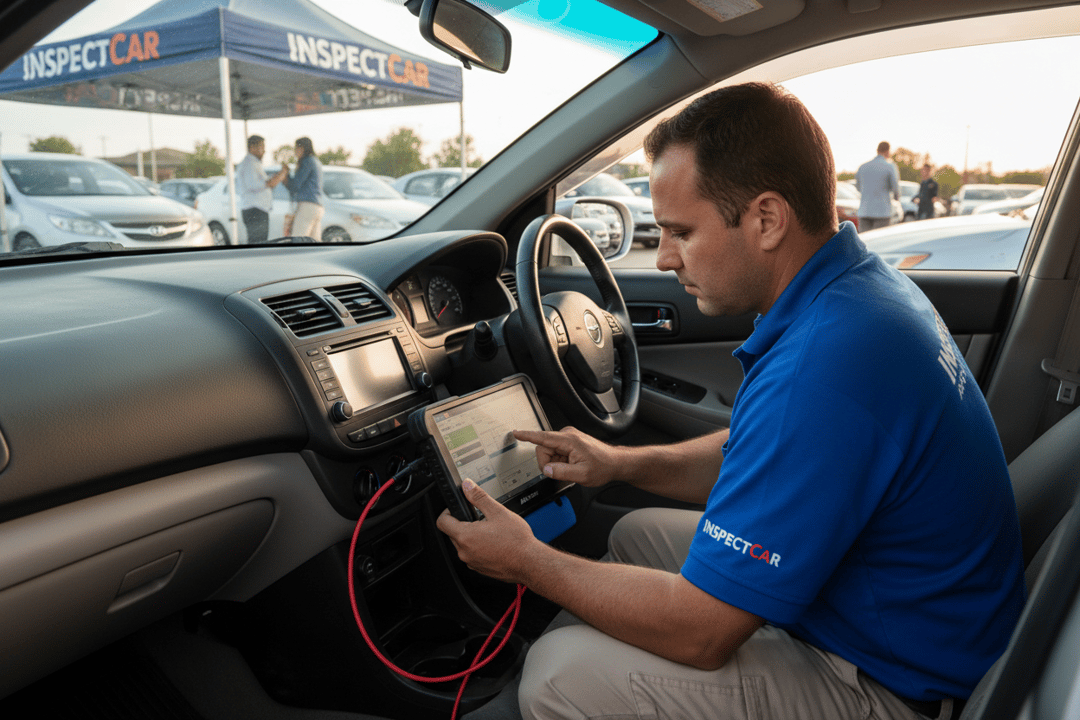
Modern vehicles rely heavily on electronic control units to manage engine performance and safety. A visual inspection of fuses or relays is rarely sufficient to diagnose electronic faults. The onboard diagnostic (OBD) system stores error codes generated by sensors that the human eye cannot see.
Common electrical complaints in the Patrol include failing alternators, which can leave the driver stranded, and issues with the air conditioning compressor clutch, leading to a non-functional climate control system. A professional scanner can read codes for the engine, transmission, ABS, and airbag systems simultaneously. This process reveals whether the vehicle has previously suffered a serious accident that triggered airbag deployment or if there are persistent sensor faults.
- Engine Codes: Checks for misfires, knock sensors, and oxygen sensor failures.
- Transmission Codes: Identifies slip conditions, gear ratio errors, or solenoid malfunctions.
- ABS & SRS: Verifies the functionality of safety systems, ensuring airbags and brakes operate correctly.
- Body Modules: Detects damage to electronic control modules resulting from frontal impact.
Suspension, Tires, and Braking Performance
The Patrol’s heavy weight places considerable stress on the braking and suspension systems. When inspecting brakes, inspectors look at the pad thickness and the condition of the rotors. If the pads are worn evenly, the vehicle likely drives normally. However, if one corner shows significantly more wear than the others, it indicates a seized caliper or a bent suspension component.
Suspension components such as shocks and struts lose effectiveness over time. A test drive helps identify body roll during cornering and nose-diving when braking. Uneven tire wear is another red flag that points to alignment issues or suspension geometry problems.
Inspectors also check the steering geometry. Excessive play in the steering wheel suggests worn tie rod ends or ball joints, which can lead to a loss of steering control. This is a safety-critical inspection point that requires a professional road test to validate the driver's feedback.
AutoFay Inspection Packages and Process
Understanding what is included in an inspection is vital for setting expectations and budgeting. AutoFay offers a comprehensive on-location inspection service across all seven Emirates, covering over 410+ checkpoints across 25 distinct categories. The service is tiered to suit different budget requirements and levels of scrutiny.
| Package | Price | Key Inclusions |
|---|---|---|
| Computer Diagnostic | AED 99 | Full OBD scan of engine, transmission, ABS, and airbag systems. |
| Body & Computer | AED 250 | Panel-by-panel paint analysis for originality and OBD scan. |
| Comprehensive | AED 299 | Full 410+ checkpoint inspection including frame, fluids, brakes, and road test. |
Each package provides a detailed report, often including high-definition photos of any defects found. This documentation serves as leverage during price negotiations and ensures the buyer understands the exact condition of the vehicle before signing a transfer of ownership form.
AutoFay inspects 410+ checkpoints with HD photos and PDF report. Book at autofay.ae or call +971542584458.


0 Comments
No comments yet. Be the first to share your thoughts!