

The Nissan Navara remains a dominant force in the UAE automotive market, prized for its robust build and dual-cab utility. However, inspecting a used Navara in the local environment requires a specialized approach due to the harsh climate and heavy usage patterns. Vehicle inspectors must look beyond cosmetic appeal and assess how the vehicle withstands extreme heat, sand intrusion, and rigorous off-road demands. A thorough assessment covers the engine, transmission, suspension, and electrical systems to ensure the vehicle is mechanically sound.
Engine Performance and Oil Consumption
The 2.5dCi and 3.0dTi diesel engines found in the Navara are generally durable, but the UAE climate places significant stress on them. High ambient temperatures increase the thermal load on the engine, accelerating the degradation of seals and oil viscosity. One of the most common observations during inspections is oil consumption. While minor consumption is normal for vehicles of this age and specification, excessive consumption indicates worn piston rings or valve stem seals. Inspectors must verify that the oil level is maintained within the safe range between service intervals. If the dipstick shows low oil frequently, the vehicle will suffer from increased internal friction and potential catastrophic engine damage if not addressed immediately.
Smoke emission during cold starts provides critical diagnostic clues. Blue smoke typically signifies burning oil, pointing to valve stem seals or turbocharger oil seals. White smoke often indicates a blown head gasket, which is a failure often exacerbated by the high temperatures of the UAE summer. Inspectors should listen for unusual noises, such as "tapping" or "knocking," which can suggest worn valve lifters or bearing clearance issues. A quick visual check of the engine bay for oil leaks around the valve cover and oil filter is essential, as leaks can accelerate the degradation of nearby rubber and plastic components due to heat exposure.
Transmission Drivetrain Vulnerabilities
The drivetrain of a used Navara often reveals the true nature of its history, particularly regarding its off-road capability. The manual transmission in the Navara is generally robust, but the clutch assembly is subject to high stress. Inspectors must check the clutch pedal feel; a "spongy" or "mushy" pedal indicates air in the hydraulic system or a failing master/slave cylinder. A "grabby" pedal suggests a worn clutch disc or pressure plate, which will result in a loss of acceleration and eventual failure to engage gears if not replaced. The gearbox linkage should also be inspected for play or stiffness, as sand intrusion can jam the mechanism.
The automatic transmission (7-speed) found in some trims is often more prone to electronic faults than its manual counterpart. Valve body failures are a known issue, causing harsh shifting, delayed engagement, or the transmission entering "limp mode." Inspectors rely heavily on an OBD scan to retrieve transmission fault codes, as these are not always visible on the dashboard warning lights. The transfer case and front/rear differentials must also be checked for fluid leaks. Low differential fluid can lead to metal-on-metal contact, resulting in expensive gears failure. The universal joints (U-joints) in the driveshaft should be inspected for play; excessive movement here indicates imminent failure and can cause vibrations felt through the chassis.
Suspension and Steering Longevity
The suspension system of the Navara is designed for heavy loads and off-road terrain, which naturally leads to wear over time. The leaf springs, common in older models, can sag or develop cracks in the leaves, especially if the vehicle is frequently loaded near its maximum payload capacity. This sagging alters the vehicle's geometry, leading to uneven tire wear and poor handling characteristics. Inspectors must measure the ride height and compare it against the manufacturer's specifications to identify significant sagging. Additionally, the shock absorbers should be checked for leaks; leaking fluid renders the shock absorber ineffective, resulting in a bouncy ride and increased braking distance.
The CV (Constant Velocity) boots are a critical component in the UAE due to the abrasive nature of desert sand. Even minor tears in a CV boot allow dust and sand to enter the joint. Once sand enters, it acts as an abrasive, grinding down the CV joint and causing it to fail. A clicking noise during tight turns is a classic symptom of a failing CV joint. The steering rack and tie rods must also be inspected for play, as worn components can compromise the vehicle's steering response and safety. The steering angle sensor, which is integral to the vehicle's stability control systems, should be checked for proper calibration after any work is performed.
Electrical Failures and AC System Stress
The electrical system in a used Navara faces unique challenges in the UAE climate, where temperatures can exceed 50 degrees Celsius. The alternator and battery are placed under immense stress to keep the electrical systems running cool, especially when the air conditioning system is in constant use. A failing alternator will drain the battery, leaving the driver stranded. Inspectors should check the battery age and charge level. The electrical wiring harness is another concern; high heat can degrade the insulation on wires, leading to short circuits. Rodents are also a common issue in the UAE, often chewing through wiring harnesses in the engine bay or under the dashboard.
The air conditioning system is the single most critical comfort feature in the region and its reliability is paramount. The AC compressor, condenser, and evaporator are prone to blockage from dust and sand. A refrigerant leak can lead to the compressor overheating and seizing, turning a simple recharge into a major repair. Inspectors must conduct a "smell test" inside the cabin for musty odors, which indicate a clogged or mold-filled cabin air filter, and listen for unusual noises from the dashboard vents when the AC is activated. The dashboard warning lights should be tested to ensure all control modules are communicating correctly with the vehicle’s computer.
Why a Professional Inspection is Essential
Buying a used vehicle without professional validation is a gamble, particularly for a workhorse like the Navara. The physical appearance of the vehicle often hides structural integrity issues that are not visible to the untrained eye. A professional service provider offers a systematic method of verification that covers every critical aspect of the vehicle's condition.
Inspections should include a comprehensive check of the vehicle's frame and body integrity. This involves looking for signs of past accidents or major repairs, which can compromise the structural safety of the vehicle. The frame rails, pillars, and floor pan must be inspected for rust or damage. Inspectors also verify the authenticity of the body panels, checking for panel gaps that are wider than specifications and signs of repaint that may hide previous accident damage.
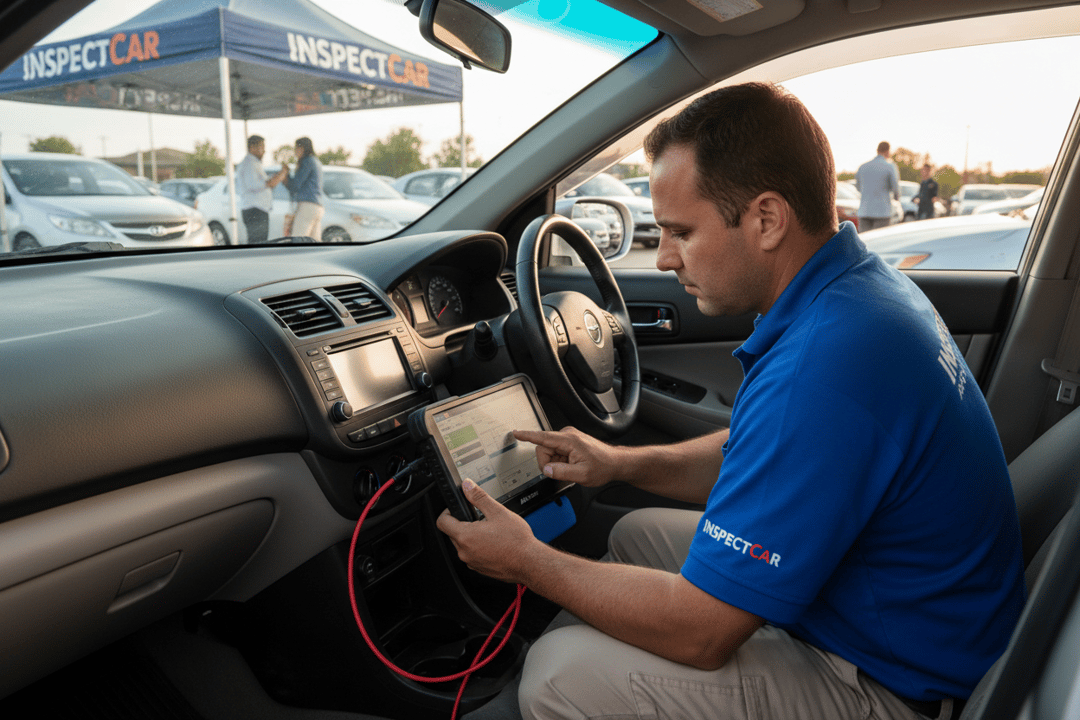
Utilizing a professional on-location inspection service allows buyers to have the vehicle checked on-site at a time that suits them. A experienced inspector will perform a road test to evaluate acceleration, braking, noise, and vibration under real driving conditions. They will also assess the tires for manufacturing age and wear, as well as check the condition of all fluids, including the level and cleanliness of the engine oil, coolant, and brake fluid. This detailed analysis provides a clear picture of the vehicle's mechanical health.
| Package | Services Included | Price |
|---|---|---|
| Computer Diagnostic | OBD scan for engine, transmission, ABS, and airbag codes. | AED 99 |
| Body & Computer | Panel-by-panel body inspection + Computer Diagnostic. | AED 250 |
| Comprehensive | Full inspection including Body, Frame, Engine, Suspension, Fluids, Tires, and Road Test. | AED 299 |
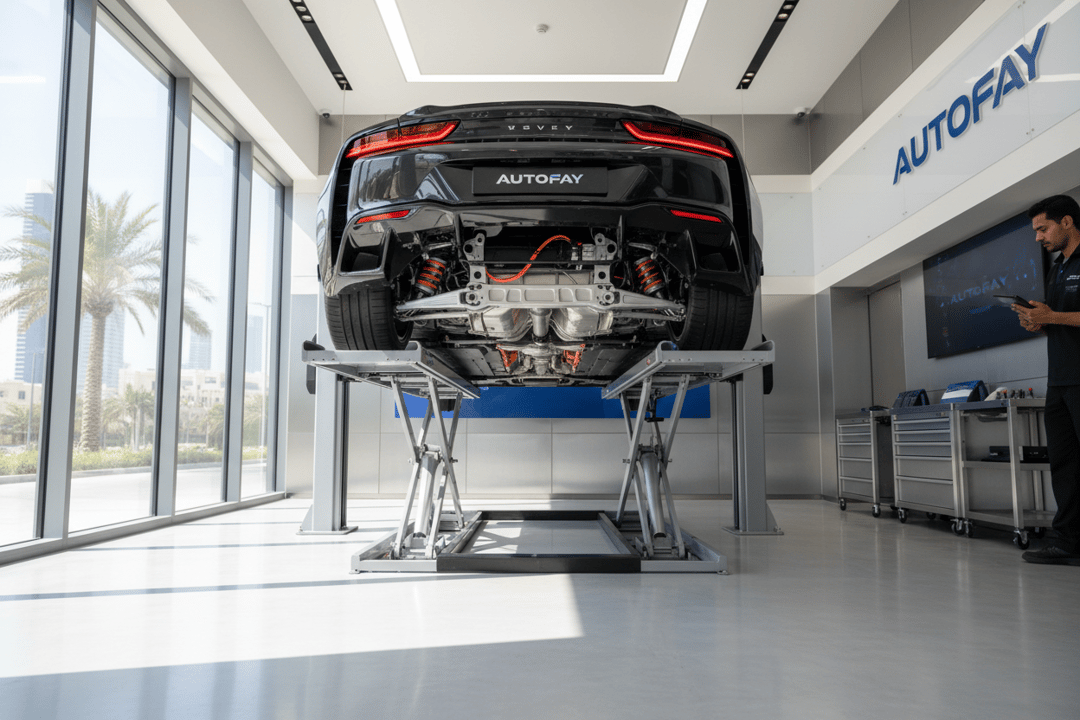
AutoFay inspects 410+ checkpoints with HD photos and PDF report. Book at autofay.ae or call +971542584458.


0 Comments
No comments yet. Be the first to share your thoughts!