

The Mitsubishi Pajero remains a dominant force in the UAE used car market due to its legendary off-road capability and robust diesel engines. However, as these vehicles age, they accumulate wear and tear specific to the region's harsh climate and varied terrain. Purchasing a used Pajero without a professional assessment risks inheriting costly mechanical failures hidden beneath a well-maintained exterior. A certified pre-purchase inspection bridges the gap between a seller's claims and the vehicle's actual condition.
Common Weaknesses in the UAE Market
The Mitsubishi Pajero, particularly the capable and capable diesel variants, is known for specific issues that persist long after the manufacturing date. Inspectors in the UAE frequently encounter these recurring problems during on-location inspections. Identifying these early allows buyers to negotiate or walk away before financial loss occurs.
- Oil Consumption and Leaks: High-mileage Pajeros often exhibit excessive oil consumption. This occurs due to worn piston rings or valve guides, requiring frequent top-ups. Additionally, valve cover gaskets and oil pan seals commonly degrade, leading to visible leaks under the vehicle.
- Suspension Bushings: The suspension system takes a beating on unsealed roads and tracks. Rubber bushings in ball joints and control arms crack and deteriorate, causing clunking noises over speed bumps and uneven steering response.
- Electrical Gremlins: Older models suffer from moisture ingress in the dashboard and battery terminals. This leads to erratic behavior in the ABS system, airbag sensors, and dashboard warning lights, which can trigger false alarms or permanent sensor failure.
- Transmission Slipping: The four-speed automatic transmission in higher-mileage vehicles may begin to slip during acceleration, particularly when the engine is warm. This indicates worn clutch packs or solenoid issues requiring a transmission rebuild.
Essential Inspection Categories
A thorough inspection goes beyond a visual walk-around; it involves mechanical testing and electronic diagnostics. Professional inspectors utilize a standardized checklist to ensure every critical component is evaluated. The following categories represent the core of a comprehensive vehicle assessment.
Engine and Transmission Health
The heart of the Pajero is its diesel engine, which must be evaluated for both noise and efficiency. Inspectors listen for unusual knocking sounds that indicate bearing wear or piston issues. Smoke during acceleration reveals engine health; white smoke suggests coolant burning, black smoke indicates excessive fuel, and blue smoke points to burning oil.
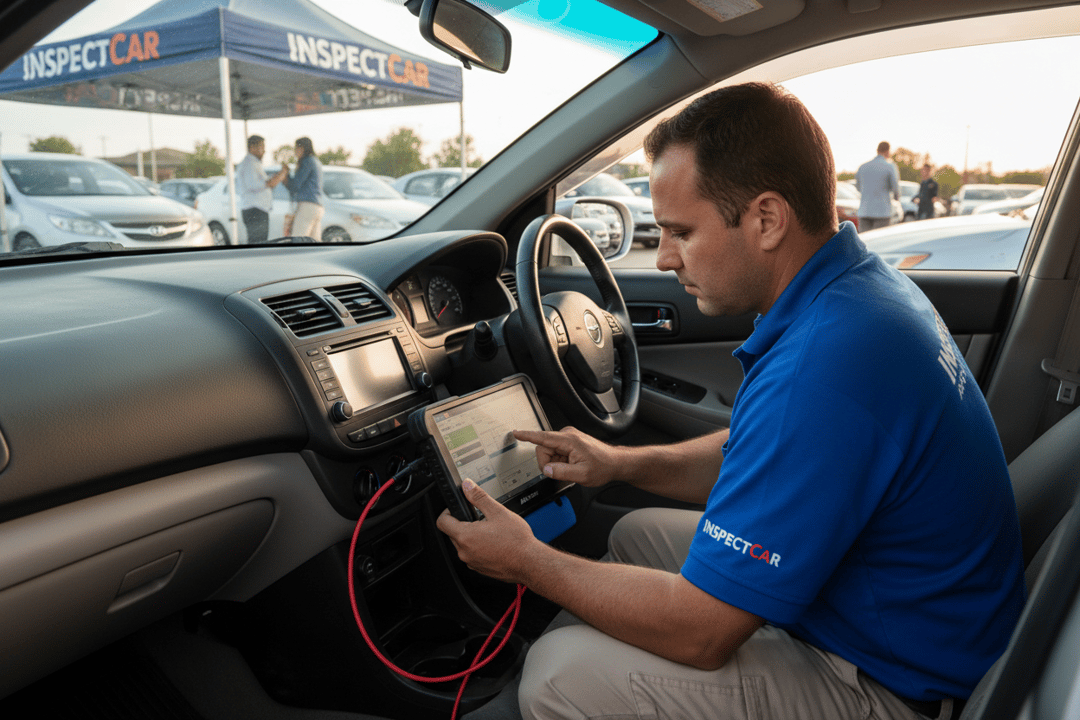
Mechanical mounts must be checked to ensure the engine and transmission are securely attached. If mounts are cracked or broken, the engine and transmission will vibrate excessively, transmitting noise to the chassis. A Computer Diagnostic scan is crucial to read standard fault codes for engine, transmission, ABS, and airbag systems, revealing electronic faults the human eye cannot see.
Undercarriage and Frame Integrity
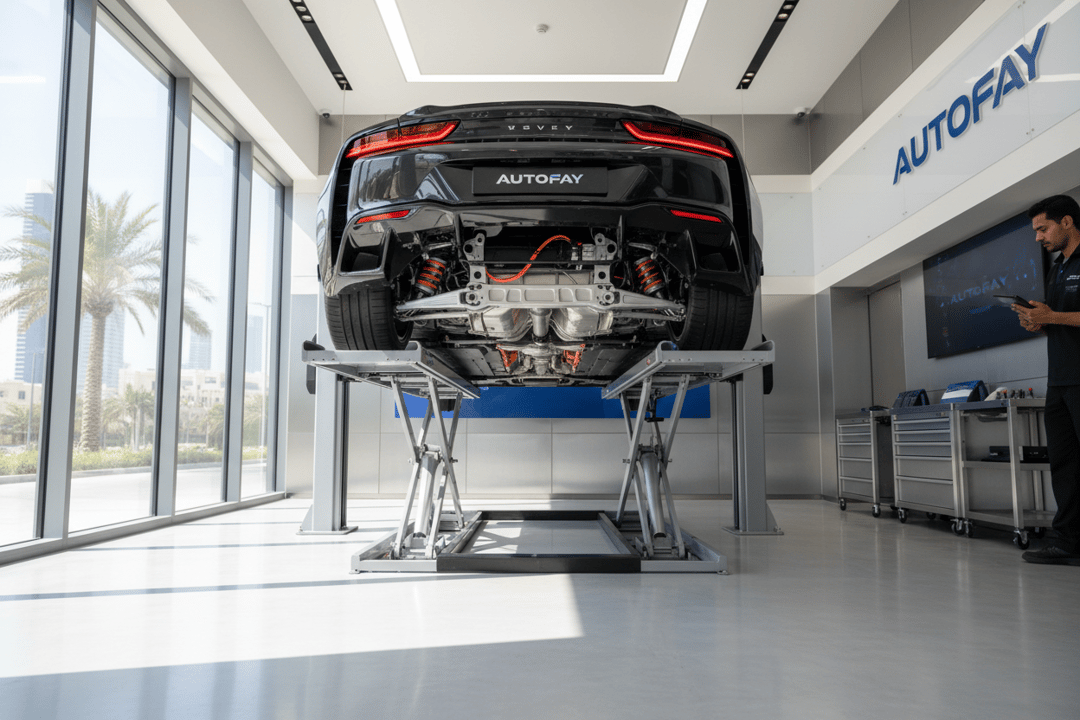
The Pajero’s off-road pedigree means it has been subjected to significant stress. Inspectors carefully examine the frame rails and pillars for rust, particularly in coastal areas like Dubai and Sharjah. Corrosion compromises the structural safety of the vehicle.
The floor pan and suspension components require detailed attention. Signs of welding on the frame rails often indicate collision damage that was repaired rather than replaced. Inspectors look for rust bubbles on the panel edges, which are classic indicators of panel replacement or water ingress.
Body, Paint, and Collision History
Determining the accident history of a Pajero is vital because structural repairs can render the vehicle unsafe. Inspectors perform a panel-by-panel analysis to detect overspray on rubber seals, door edges, and trunk jams.
Discrepancies in paint color or texture between adjacent panels suggest previous repairs. A high-quality repaint will have a consistent texture and color, whereas a poor repair will show orange peel effects, dust inclusions, or mismatched edges. Inspecting the bonnet and bumper areas is particularly important, as these often sustain damage during minor impacts.
| Body Condition | Inspection Observation | Implication |
|---|---|---|
| Original | No overspray on rubber seals or trim; consistent panel gaps. | Vehicle has not been involved in significant accidents. |
| Repainted | Slight variations in color or sheen between panels; melted rubber on edges. | Suggests a panel replacement or professional repair. |
| Repaired | Uneven texture, filled gaps, mismatched edges, or fresh scratches. | Indicates structural damage or poor-quality DIY repairs. |
Brakes, Tires, and Fluids
Stopping power is a critical safety feature that degrades over time. Inspectors measure the brake pad thickness using a gauge and rate the remaining material as a percentage. A lower percentage indicates immediate replacement is required. Worn rotors may also score or warp, causing vibrations during braking.
Fluids are the lifeblood of the vehicle. Engine coolant should be clear with no brown sludge, which indicates a blown head gasket. Transmission fluid should be bright red and smell sweet; dark or black fluid indicates overheating and internal clutch wear. Tires are also examined for manufacturing dates, as rubber degrades over time regardless of tread depth, and for even wear patterns that suggest alignment issues.
Choosing the Right Inspection Package
Selecting the appropriate level of inspection depends on the vehicle's age and condition. Different tiers of service offer varying depths of analysis. It is essential to select a package that covers the specific risks associated with the Pajero model being considered.
- Computer Diagnostic (AED 99): This entry-level package is ideal for budget-conscious buyers or newer vehicles. It scans the onboard computer for faulty sensors, engine faults, and warning lights. While it does not physically inspect the parts, it provides a digital roadmap of any electronic malfunctions.
- Body & Computer (AED 250): This mid-tier package adds a physical inspection of the bodywork and paint. It combines electronic diagnostics with a visual check for accident damage, panel repainting, and structural integrity. This is the most common choice for used SUVs in the UAE.
- Comprehensive (AED 299): This premium package covers 410+ checkpoints across 25 categories. It includes the Body & Computer analysis plus a full road test to evaluate acceleration, braking, steering response, and noise levels. It provides a complete physical and mechanical audit of the vehicle.
For a vehicle as complex as the Mitsubishi Pajero, the Comprehensive AED 299 package is the recommended standard. It captures the full picture of the vehicle's health before the sale is finalized. The inspection report includes high-definition photos of every finding, allowing the buyer to review the data remotely.
On-Location and Regional Coverage
Convenience is a priority for buyers in the UAE. Professional inspection services operate across all seven Emirates, bringing the inspection facility to the buyer's location. This saves time and ensures that the vehicle is inspected exactly where it is sitting—whether it is a private residence or a dealership lot.
By utilizing a certified service like AutoFay, buyers can bypass the high risk of purchasing a lemon. The detailed PDF report serves as an objective third-party assessment, highlighting red flags that sellers might overlook. This data-driven approach prevents buyers from paying for hidden damage that could cost thousands of dirhams to repair later.
AutoFay inspects 410+ checkpoints with HD photos and PDF report. Book at autofay.ae or call +971542584458.


0 Comments
No comments yet. Be the first to share your thoughts!