

The Mitsubishi Outlander remains one of the most sought-after SUVs in the UAE due to its spaciousness, reputation for reliability, and family-friendly design. However, purchasing a used vehicle in a market with extreme temperatures and varied road conditions requires a rigorous approach to due diligence. A thorough pre-purchase inspection is not an optional luxury; it is a necessary step to identify latent defects that may not be visible during a casual test drive. This guide outlines the critical areas inspectors scrutinize when evaluating an Outlander, helping buyers understand the underlying mechanics of a used car’s health.
The Impact of UAE Climate on the Outlander
The harsh desert environment places unique stress on automotive components that might last longer in temperate climates. Prolonged exposure to intense UV radiation accelerates the degradation of rubber seals and dashboard plastics. Furthermore, the high ambient temperatures during summer months cause fluids like engine oil and transmission fluid to break down more rapidly than in cooler climates. A mechanic must assess whether these thermal stressors have compromised the vehicle’s longevity during its previous ownership.
Additionally, the road infrastructure in the UAE varies between modern highways and uneven city streets, subjecting the suspension system to constant shock. Over time, this leads to premature wear on shock absorbers, control arms, and bushings. Identifying these stress-related failures before purchase prevents unexpected repair bills shortly after signing the transfer of ownership papers.
Common Mechanical Issues in Used Mitsubishi Outlanders
Inspectors frequently encounter specific recurring problems with the Outlander, particularly in higher mileage models. The Continuously Variable Transmission (CVT) is a focal point of concern; these transmissions are prone to overheating and slipping if the cooling system is neglected or if the vehicle is frequently driven in stop-and-go traffic under heavy load. A failure in the CVT can lead to a complete loss of power, rendering the vehicle undriveable.
Another common issue is engine oil consumption. Due to the design of the piston rings and valve seals in older models, they may consume more oil than modern vehicles require. If a vehicle requires frequent top-ups between oil changes, it indicates that the engine is wearing out and will likely require internal repairs sooner rather than later. Ignoring low oil levels leads to catastrophic engine failure, which is significantly more expensive to resolve than routine maintenance.
Electrical gremlins also plague older Outlanders. The central electronic control unit (ECU) and various sensors are susceptible to corrosion caused by high humidity or salt exposure near the coast. Symptoms include erratic dashboard warning lights, malfunctioning power windows, or inconsistent air conditioning performance. These electrical faults are often intermittent, making them difficult to diagnose without specialized diagnostic tools.
What Inspectors Check: A Breakdown of Categories
A professional pre-purchase inspection covers a vast array of systems to ensure the vehicle meets safety and operational standards. Inspectors categorize these checks into 25 distinct areas to ensure nothing is overlooked. This systematic approach ensures that every critical component is evaluated for wear and damage.
- Body and Paint: This involves a panel-by-panel examination to detect mismatched colors or signs of previous accident damage. Inspectors look for body filler, sanding marks, or uneven gaps between panels, which can indicate prior repairs.
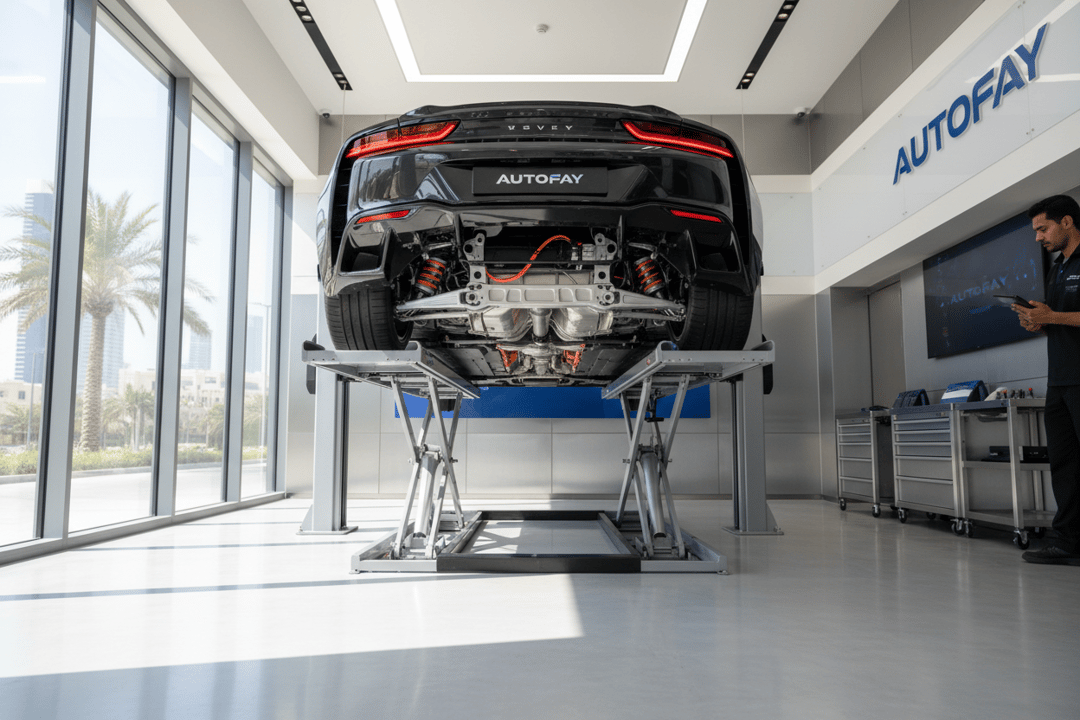
- Frame and Structure: The integrity of the vehicle’s unibody is paramount. Inspectors check the frame rails, pillars, and floor pan for rust, corrosion, or bending, which suggests the car may have been in a severe collision.
- Engine Condition: The engine bay is inspected for leaks, corrosion, and the condition of belts and hoses. The sound of the engine during startup is analyzed for abnormal knocking or ticking, which points to internal wear.
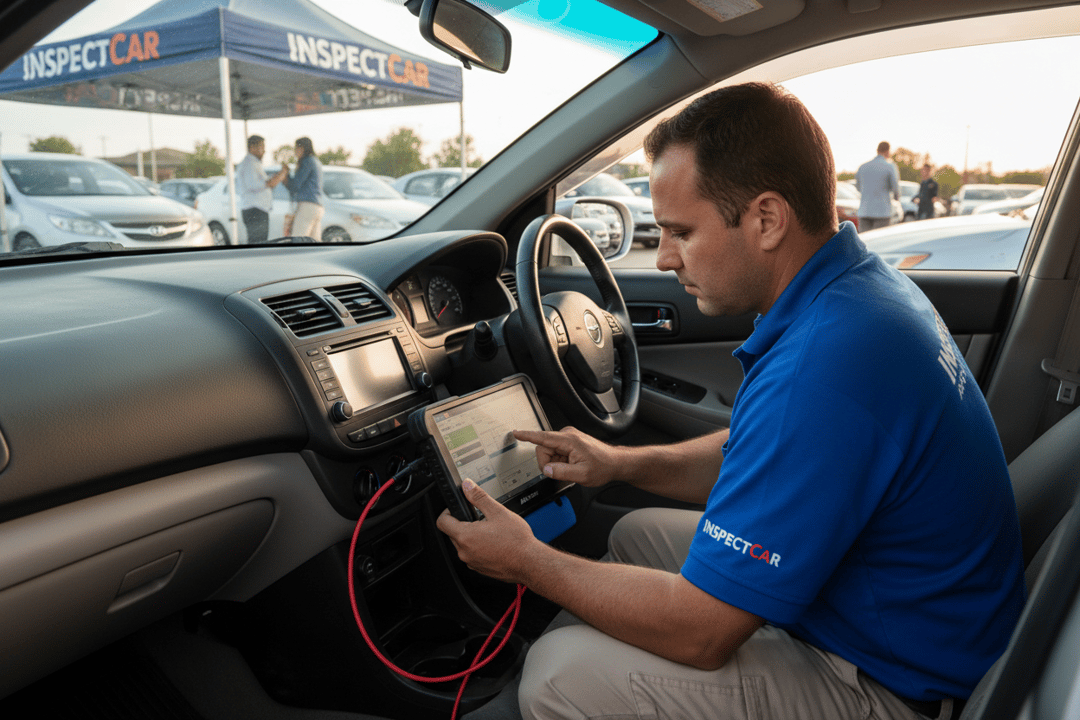
- On-Board Diagnostics (OBD Scan): A computer scan retrieves error codes from the engine, transmission, ABS, and airbag systems. This reveals hidden faults that the dashboard may not display, such as misfires or transmission faults.
- Braking System: The inspector measures the remaining thickness of the brake pads and checks the condition of rotors and calipers. Worn brakes affect stopping distance and safety on UAE highways.
- Suspension and Steering: The condition of shock absorbers, struts, and ball joints is assessed to ensure proper handling and ride quality.
- Tires: Inspectors verify the manufacturing date of tires to ensure they are not overly aged. Uneven tread wear patterns indicate alignment issues or suspension problems.
- Fluids: The condition and levels of engine oil, coolant, brake fluid, and power steering fluid are checked. Contaminated fluids can damage internal components and lead to system failures.
- Road Test: A dynamic test evaluates acceleration, braking performance, and noise levels. The car is driven to detect vibrations, hesitation, or unusual sounds that only manifest under load.
Red Flags Specific to the Outlander Model
When purchasing a used Outlander, certain red flags should trigger immediate rejection or price renegotiation. One major red flag is the presence of smoke from the exhaust. Blue smoke indicates burning oil, while white smoke suggests a blown head gasket or engine failure. Black smoke usually points to a fuel system issue that can damage the catalytic converter.
Another critical warning sign is inconsistent mileage. Odometer rollback is a common issue in the used car market. Inspectors verify the mileage against service records and the vehicle identification number (VIN) stamped on the chassis to ensure the data is consistent. Discrepancies in mileage often hide a history of abuse.
Water ingress in the cabin is also a significant concern, particularly if the vehicle has been used near the coast. Corrosion in the footwells or on the battery tray can lead to electrical shorts and a fire hazard. Inspectors check for rust behind carpets and examine the roof lining for water stains, which indicate a leaking sunroof or door seal.
Foul odors in the cabin, specifically a sweet smell, strongly suggest a coolant leak that has entered the passenger compartment. This compromises the defroster function and can lead to rapid fogging of the windshield, creating a dangerous driving condition. Additionally, a lack of service history is a red flag; without maintenance records, it is impossible to know if the vehicle has received the timing belt changes and fluid flushes required for its longevity.
Service Packages for Reliability
To ensure a comprehensive evaluation of a used vehicle, choosing the right inspection package is essential. Different packages offer varying levels of depth to suit different budgets and needs. Understanding the differences helps buyers prioritize what is most important for their specific situation.
| Package | Features | Price (AED) |
|---|---|---|
| Computer Diagnostic | Scans engine and transmission codes to identify electronic faults and check the status of critical sensors. | 99 |
| Body & Computer | Includes a complete OBD scan and a detailed visual inspection of the exterior and interior for damage, paint issues, and fluid leaks. | 250 |
| Comprehensive | The full evaluation covering all 25 categories, including road test, brakes, suspension, and frame integrity, providing a complete health report. | 399 |
While the basic computer diagnostic can identify electronic errors, it does not reveal physical damage. The Body & Computer package is a balanced choice for most buyers, combining electronic data with a visual check of the bodywork. For the highest level of assurance, the Comprehensive package is recommended for vehicles over five years old or those with high mileage, as it covers the frame and suspension in detail.
The Importance of a Road Test
The visual inspection is only half the picture; the dynamic performance of the vehicle defines its safety. During the road test, the inspector listens for abnormal noises coming from the wheel bearings, suspension, or transmission. A healthy Outlander should accelerate smoothly without hesitation, particularly important when merging onto busy highways.
Braking performance is critical in UAE traffic conditions. The vehicle should stop in a straight line without pulling to one side, indicating balanced brake pad wear. Vibration through the steering wheel or brake pedal at high speeds suggests warped rotors or tire imbalance, which can lead to steering instability. Furthermore, the suspension should absorb bumps without excessive clunking or rebounding, ensuring a comfortable and controlled ride over uneven surfaces.
Final Assessment
Purchasing a used vehicle is a significant investment that requires a strategic approach to mitigate risk. By understanding the common failure points of the Mitsubishi Outlander and knowing exactly what to look for, buyers can avoid costly surprises. A professional inspection provides an objective third-party assessment, separating a well-maintained vehicle from a money pit.
AutoFay inspects 410+ checkpoints with HD photos and PDF report. Book at autofay.ae or call +971542584458.


0 Comments
No comments yet. Be the first to share your thoughts!