

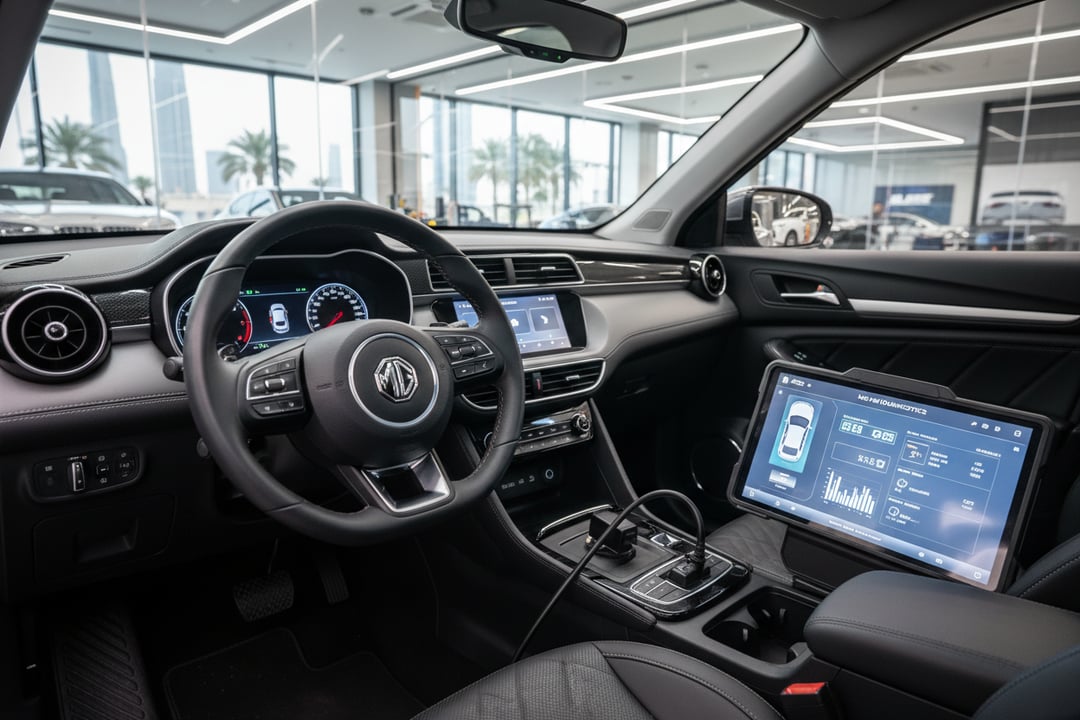
The MG HS has established a significant presence in the UAE’s competitive SUV market, offering a blend of value, interior space, and technology. However, as a vehicle produced under the Chinese "New Energy" brand standards, it presents specific mechanical and electrical challenges that differ from traditional European or Japanese rivals. Purchasing a used MG HS requires a specialized approach to inspection. A standard walk-around is insufficient for this model. Because the vehicle relies heavily on complex electronics and high-performance turbocharged engines, a thorough pre-purchase inspection must target the root causes of failure specific to this platform.
Engine and Transmission: The Powertrain Core
The heart of the MG HS is its turbocharged powertrain, available in both capable and capable variants. Inspectors must pay close attention to the oil consumption levels. Unlike many naturally aspirated engines, the MG’s turbocharged units are known to consume oil more aggressively than average. If an inspection reveals oil levels that require frequent topping up, the vehicle may be prone to low oil pressure issues, which can lead to catastrophic engine wear over time. Ensure the oil dipstick reading is within the acceptable range immediately after driving the vehicle to simulate real-world conditions.
The transmission, typically a seven-speed dual-clutch unit, is another critical area. During the road test, listen for hesitation when the vehicle shifts from first to second gear. A delayed shift or a "kick" during acceleration suggests the clutch packs are wearing out. Furthermore, inspect the condition of the engine mounts. Worn mounts will transmit excessive vibration into the cabin, especially noticeable at idle when the transmission is in Park or Neutral. Vibrations masked by aftermarket floor mats or thick carpets often hide severe engine mount degradation.
Inspectors should also check the condition of the radiator and cooling system. The MG HS operates in high ambient temperatures, and a failing radiator can lead to rapid overheating. A cooling system leak not only causes engine failure but also risks damaging the cylinder head gasket. A compromised head gasket will result in white smoke from the exhaust and a sweet smell of coolant inside the cabin, necessitating a costly engine rebuild or replacement.
Electrical Systems and OBD Diagnostics
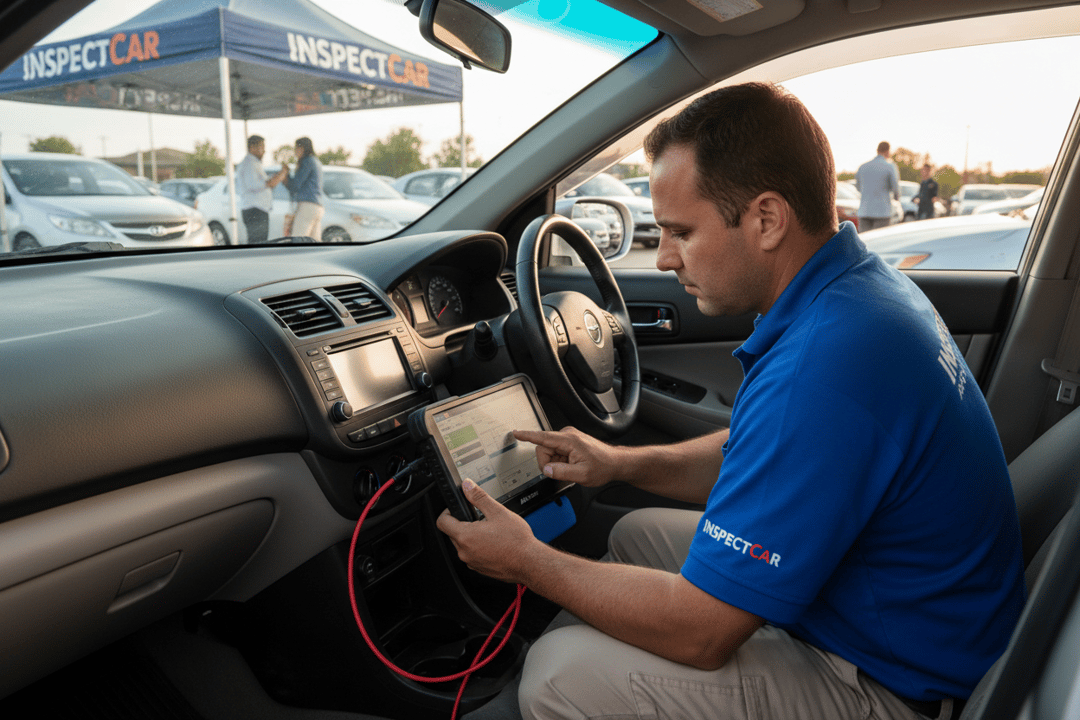
Electrical gremlins are the most common complaint regarding the MG HS. The vehicle is packed with sensors and infotainment modules that are prone to software glitches or wiring fatigue. Inspectors must look for any warning lights illuminated on the dashboard. A simple visual check is not enough; the vehicle requires a Computer Diagnostic scan. This process reads the On-Board Diagnostics to reveal hidden error codes related to the engine, transmission, ABS, and airbag systems that the driver cannot see.
Pay specific attention to the infotainment screen and connectivity issues. The MG HS relies heavily on its central touchscreen; if the screen is unresponsive, freezes during rotation, or loses Bluetooth pairing frequently, the vehicle’s electrical architecture may be faulty. Wiring harnesses often fray near the dashboard due to the heat generated by the climate control system. Inspectors should look for blackened or melted plastic connectors, which indicate overheating and a potential short circuit risk.
Another specific concern is the battery management system. The MG HS uses a 48-volt mild hybrid system. If the battery degrades, it can cause the vehicle to enter "limp mode" or fail to start. A diagnostic scan will confirm the health of the 48-volt battery module and its associated capacitors. A failed battery system replacement can be expensive, so confirming its status is essential before purchase.
Body, Paint, and Frame Integrity
UAE sun exposure accelerates paint degradation on all vehicles, but the MG HS requires a specialized check for accident history. Inspectors must verify the Body & Computer condition by examining panel gaps. The doors, hood, and trunk should align evenly with the body lines. Uneven gaps or misaligned bumpers are strong indicators of previous collision damage where the structural mounting points have been bent or poorly repaired.
When inspecting the paint, use a gloss meter or a simple flashlight to check for orange peel texture, which suggests poor body shop spray techniques. Inspectors must classify each panel as original, repainted, or repaired. A car that has had its doors repainted may be hiding damage to the door sills or the hinges. Check the trunk floor and behind the rear bumper for signs of fresh paint or mismatched shades, as these areas are common impact zones.
Check the condition of the chassis rails and floor pan for rust or corrosion, particularly if the vehicle has spent time in coastal areas. The MG HS chassis is largely galvanized, but saltwater intrusion can still cause hidden rust. Inspect the condition of the spare tire and the jacking points. Missing or damaged spare tires remove a critical safety margin from the vehicle. Ensure the registration plate light and number plate frame are present and functional, as these are common theft targets.
Suspension, Brakes, and Safety Systems
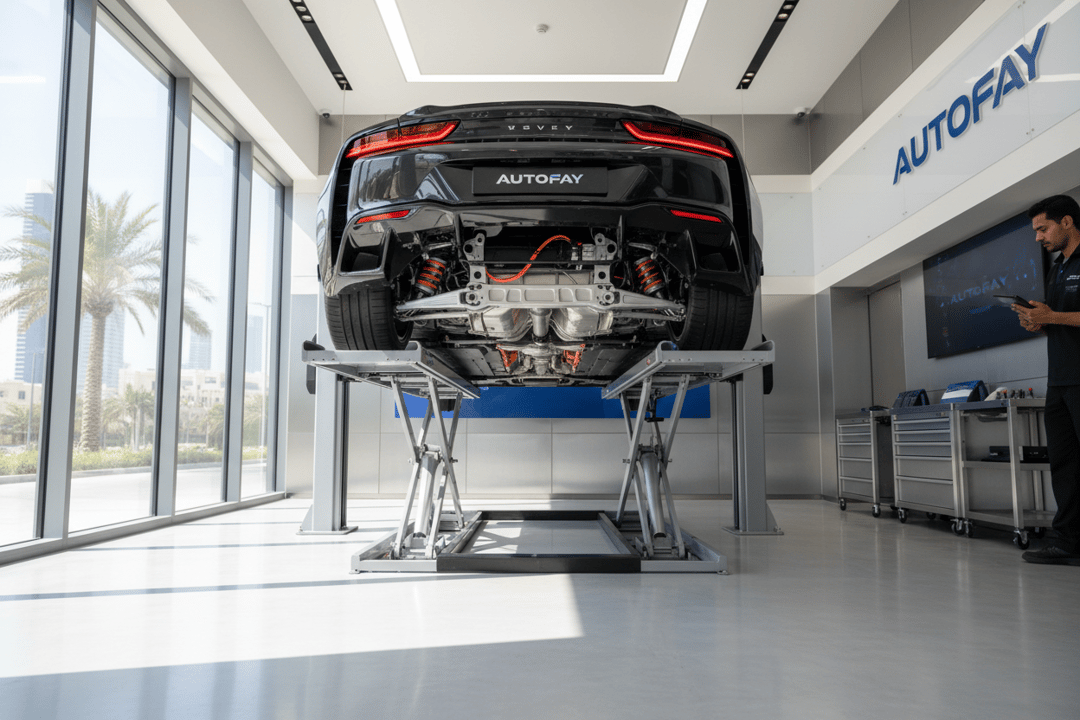
The suspension system on the MG HS is designed for comfort, but it must be examined for wear. Inspectors should listen for clunking noises over speed bumps. This often indicates worn ball joints or top mounts. Pay attention to the carbon fiber driveshafts specific to the MG HS. Clicking noises from underneath the vehicle during low-speed turns can signal a driveshaft failure. A snapped carbon fiber driveshaft can detach while driving, posing an immediate safety risk.
Brake performance is non-negotiable. Inspectors will perform a brake pad percentage rating to determine how much friction material remains on the pads. Worn brake pads will damage the rotors during braking, leading to a vibration in the steering wheel. Furthermore, inspect the brake fluid condition. Old or contaminated brake fluid absorbs moisture, which lowers its boiling point and reduces braking efficiency, especially in stop-and-go traffic.
Tire selection is also critical. Inspectors check the manufacturing date on the sidewalls of the tires. Tires older than five years should be considered for replacement, regardless of tread depth. The grip levels of the tires directly affect the vehicle's ability to stop and maneuver, particularly in wet conditions. Ensure the spare tire is roadworthy and the jack/lug wrench tools are present in the trunk.
AutoFay Inspection Methodology
Given the complexity of the MG HS, relying on a standard visual inspection is insufficient. A comprehensive inspection must cover all 25 categories, totaling over 410+ checkpoints. The inspection process involves a comprehensive road test to verify acceleration, braking, noise, and vibration under load. Fluid levels are checked for both quantity and condition, looking for signs of contamination or leaks.
AutoFay provides a detailed on-location inspection available across all seven Emirates. We utilize specialized equipment to scan the vehicle's computer systems, ensuring no error codes are missed that could compromise safety or reliability.
| Package | Price | Key Inclusions |
|---|---|---|
| Computer Diagnostic | AED 99 | Engine, Transmission, ABS, Airbag codes. |
| Body & Computer | AED 250 | Panel-by-panel paint check, OBD scan, fluid levels, tires. |
| Comprehensive | AED 299 | Full 410+ checkpoints, frame and chassis inspection, road test. |
Our reports include HD photos and a written PDF analysis of the vehicle's condition. This ensures the buyer understands the specific risks associated with the MG HS before handing over payment.
AutoFay inspects 410+ checkpoints with HD photos and PDF report. Book at autofay.ae or call +971542584458



0 Comments
No comments yet. Be the first to share your thoughts!