

The MG 5 has carved a significant niche in the UAE market as an affordable, spacious sedan that targets families and budget-conscious commuters. However, because a substantial portion of these vehicles are imported or previously used in challenging environments, the risk of hidden defects remains high. A visual walkaround is insufficient for this model; a experienced professional must evaluate mechanical health and structural integrity. Understanding the specific vulnerabilities of the MG 5 prevents costly post-purchase repairs and ensures vehicle safety.
Understanding the MG 5 Architecture and Common UAE Issues
The MG 5 typically utilizes a front-engine, front-wheel-drive layout, which simplifies maintenance but concentrates wear on specific components. In the UAE, the primary environmental stressors are extreme heat and abrasive dust, which accelerate the degradation of rubber components and cooling systems. Furthermore, the model often utilizes a dual-clutch transmission that can be sensitive to high-stress driving scenarios common in city traffic. Inspectors look for signs of neglect, such as excessively dirty air filters or coolant reservoirs that indicate past overheating episodes.
- Engine Vapor Lock: Due to high ambient temperatures, the engine management system may struggle to maintain optimal temperature, leading to reduced performance or stalling.
- Transmission Sensitivity: The dual-clutch gearbox may exhibit hesitation or jerking during rapid acceleration, often exacerbated by the stop-and-go nature of UAE traffic.
- Electrical Module Fatigue: The complex infotainment and sensor systems are prone to software glitches, often triggered by voltage fluctuations.
Engine and Transmission Inspection Protocol
Under the hood, the focus must be on oil integrity and cooling efficiency. The a capable engine turbocharged engine is robust, yet it demands strict maintenance to prevent premature wear. Inspectors check the oil dipstick for a milky consistency, a clear sign of head gasket failure or coolant mixing with lubrication. Blue smoke during acceleration indicates burning oil, which signals piston ring wear or valve seal degradation. A leaking valve cover gasket is also a common fault on this platform, potentially leading to oil drips on hot exhaust components, which creates a fire hazard.
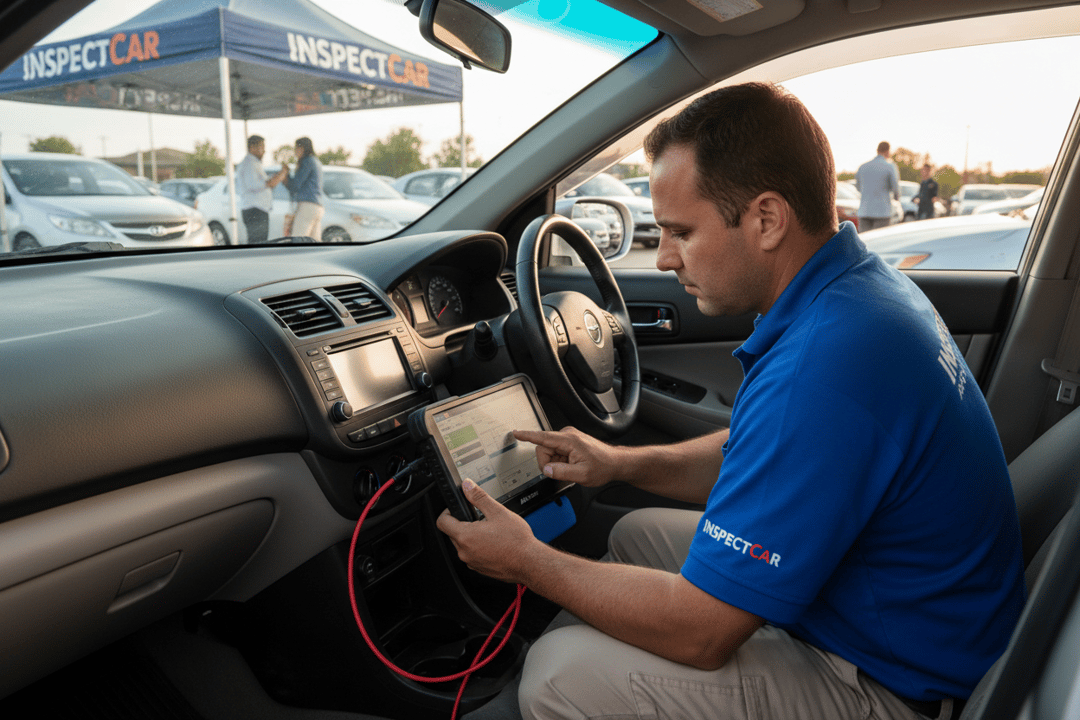
The transmission requires specific attention. Inspectors listen for unusual whines or clunks during gear changes. If the car fails to engage gears promptly or slips under load, the clutch packs within the dual-clutch unit may be worn. Replacing this transmission unit is a significant mechanical undertaking. An AutoFay inspection includes a computer diagnostic scan to retrieve error codes stored in the transmission control module, providing data that the naked eye cannot reveal regarding shifting faults.
Body, Paint, and Structural Frame Analysis
Because the MG 5 is a budget-oriented vehicle, the quality of panel fitting can sometimes vary compared to premium European competitors. Inspectors meticulously examine panel gaps between doors, the hood, and the trunk. Uneven gaps often indicate previous accident damage where the mounting points were improperly realigned. Furthermore, the paint thickness on the doors and bumpers should be measured using a primer gauge; a significantly thinner layer compared to the roof suggests a panel replacement.
Structure integrity is paramount for safety. Inspectors check the frame rails and the floor pan for rust or corrosion. In the UAE, salt air is not the primary concern, but road salts used during winter months can accumulate in wheel arches and sills. Any sign of bondo or body filler on structural components or pillars is a major red flag, often suggesting major collision repair that compromised the chassis. AutoFay inspectors perform a panel-by-panel analysis to distinguish between original factory paint and aftermarket repairs.
Suspension, Brakes, and Tire Safety
Suspension components on used sedans often show fatigue after several years of service. Inspectors test the shock absorbers by pushing down firmly on each corner of the vehicle. If the car bounces excessively or fails to settle quickly, the dampers may have lost their hydrocarbon fluid. A knocking noise over speed bumps confirms worn ball joints or control arm bushings. These issues affect ride comfort and, more critically, vehicle handling stability.
Brake performance is non-negotiable. Inspectors measure the brake pad thickness using a caliper gauge. A pad rating below 3mm requires immediate replacement. The rotors should be checked for scoring or "warping," which causes a vibration in the steering wheel during braking. Tire selection is equally vital; tires older than six years old lose their structural rigidity regardless of tread depth. Inspectors verify the manufacturing date code on the sidewall to ensure the tires can withstand the high speeds experienced on UAE highways.
Fluids, Electricals, and Road Test
The condition of the underbody fluids reveals the owner's maintenance history. Engine oil should be amber or light brown with a clean texture, while transmission fluid should be bright red and smell sweet. Dark, burnt-smelling fluid indicates the transmission has been operated under severe conditions or neglected. Coolant levels must be checked while the engine is cool; a low level suggests a leak, often occurring at the radiator hoses or the water pump seal.
The electrical system requires a thorough OBD scan to check for stored codes related to the anti-lock braking system (ABS), airbags, and engine management. An illuminated airbag light is a common issue on the MG 5, often caused by faulty seat occupancy sensors or a defective clock spring in the steering column. Finally, the road test evaluates the vehicle as a complete system. Inspectors listen for abnormal noises, check for steering pull, and verify that all electronic features—power windows, mirrors, and infotainment—operate correctly.
Why Professional Inspection is Essential
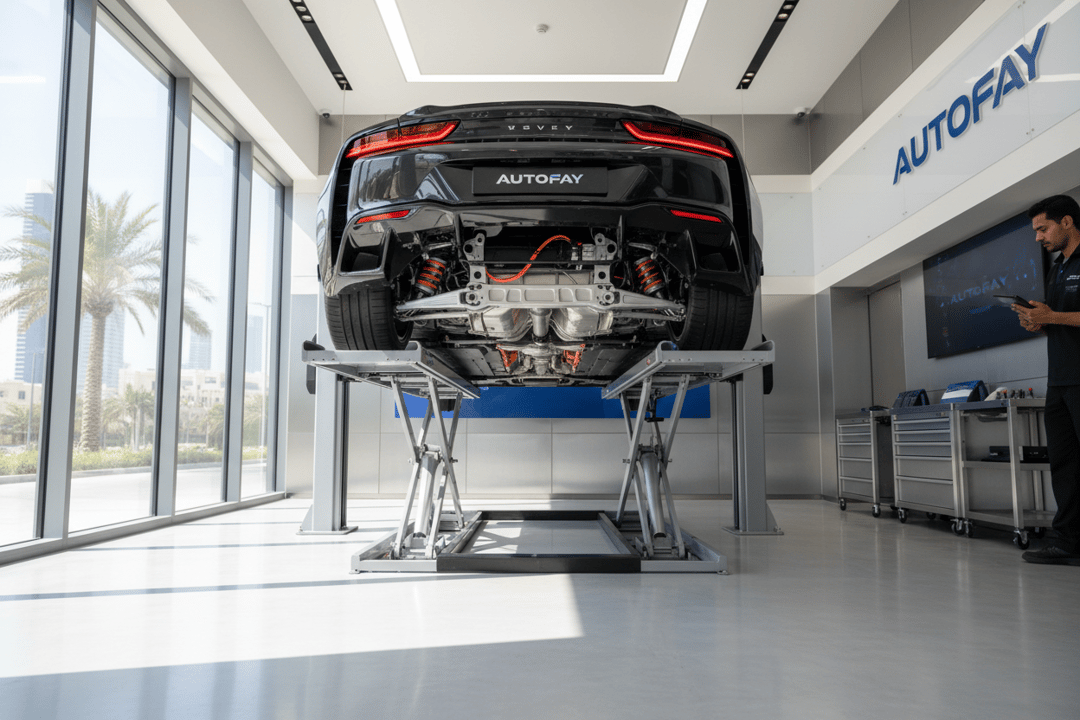
Purchasing a used vehicle without a professional inspection is a gamble with significant financial consequences. A minor issue identified early can be negotiated into the price, but finding a blown head gasket or a damaged frame after transfer of ownership can lead to thousands of dirhams in unexpected repair bills. Professional inspectors use professional-grade tools to detect issues invisible to the untrained eye.
AutoFay offers a comprehensive solution for used car buyers across the UAE. We provide a on-location inspections covering all seven Emirates, bringing the inspection directly to the seller's location. Our team adheres to a strict 410+ checkpoint protocol across 25 distinct categories to ensure absolute accuracy.
| Inspection Package | Includes | Price (AED) |
|---|---|---|
| Computer Diagnostic | OBD scan for engine, transmission, ABS, and airbag codes. | 99 |
| Body & Computer | Panels-by-panel paint inspection, structural check, and OBD scan. | 250 |
| Comprehensive | Full 410+ checkpoint inspection including brakes, suspension, tires, fluids, and road test. | 399 |
Choosing the Comprehensive package provides the most value, as it covers the Road Test and Computer Diagnostic separately. Preventing a single major repair often pays for the inspection multiple times over. Do not rely on verbal assurances from sellers; demand a professional report.
For a detailed vehicle history and condition report, contact AutoFay. We inspect 410+ checkpoints with HD photos and PDF report. Book at autofay.ae or call +971542584458.


0 Comments
No comments yet. Be the first to share your thoughts!