

The Mercedes-Benz S-Class is widely regarded as the benchmark for luxury sedans, blending cutting-edge technology with superior comfort. However, this engineering complexity translates directly into a maintenance profile that demands rigorous scrutiny in the used market. A pre-purchase inspection is not merely a formality; it is a critical financial safeguard against the high costs associated with premium German engineering. This guide outlines the specific vulnerabilities of the S-Class and the rigorous standards inspectors apply to uncover hidden defects before a transaction is finalized.
The Electronics & Electrical Complexities
Modern Mercedes-Benz vehicles, particularly the W220, W211, and W222 generations, rely on an intricate network of sensors and control modules. A primary concern for inspectors is the SBC (Solenoid Controlled Brake) hydraulic system, prevalent in models from the early 2000s. This system integrates the ABS, ESP, and brake assist functions into a high-pressure accumulator. Failure of the hydraulic pump or the modulator valve results in a loss of brake assist, creating a severe safety hazard that requires immediate replacement of the entire braking module.
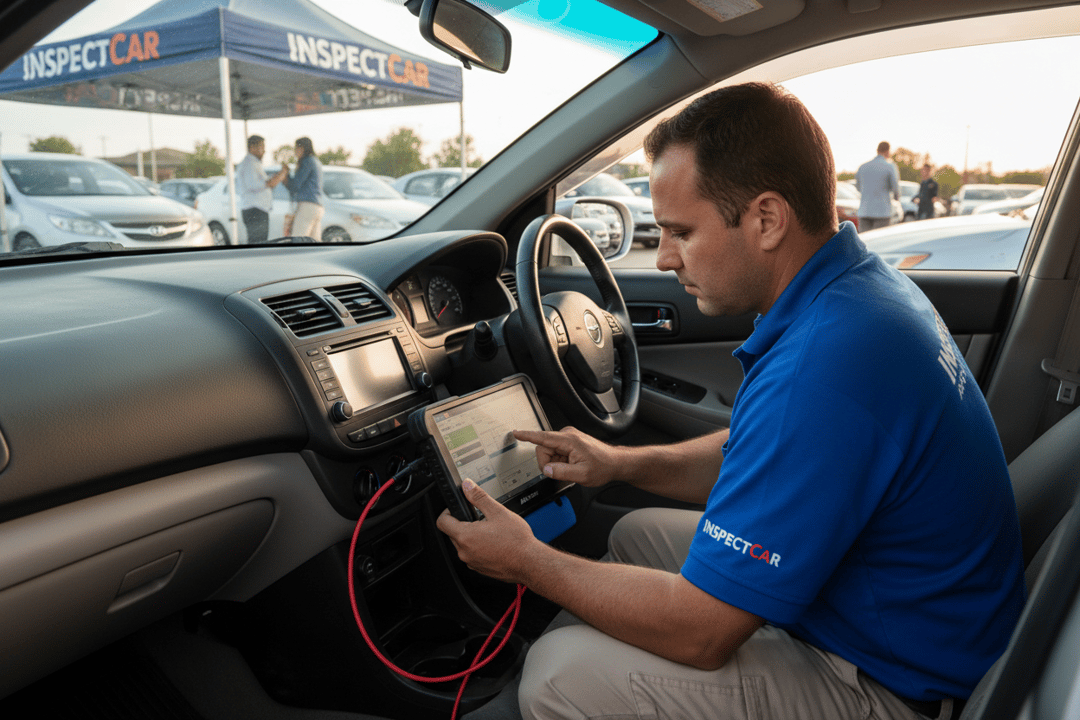
Inspectors also scrutinize the COMAND system and infotainment failures. A flickering screen or unresponsive navigation unit often indicates a failing flex cable or a degraded display matrix. Ignoring these electrical gremlins rarely leads to a simple fix; they often cascade into broader electrical faults affecting the vehicle’s immobilization system or lighting clusters. A professional computer diagnostic scan is essential to verify the integrity of these electronic circuits before the car is driven off the lot.
Powertrain Reliability: Engine, Transmission, and Timing
Engine longevity in the S-Class is heavily dependent on maintenance history, specifically regarding the timing chain system. On W220 and W211 engines, the timing chain tensioner is notorious for stretching or failing, leading to the chain jumping teeth. This significant failure causes the valves to collide with pistons, resulting in total engine destruction. Inspectors verify the service interval documentation to confirm whether the 80,000-to-100,000-mile timing chain replacement has been executed, as neglecting this task can lead to engine block replacement, which is a prohibitively expensive repair.
Transmission behavior is equally critical. The 7G-Tronic gearbox found in many S-Classes can develop valve body issues, causing harsh shifts or hesitation during acceleration. This occurs due to carbon buildup within the transmission valve body, restricting fluid flow. While a transmission fluid flush might temporarily resolve minor symptoms, a full valve body rebuild is often required for significant faults. Inspectors evaluate the shift quality during a road test to determine if fluid maintenance has been neglected.
Suspension Systems: Air Bag Failures and Compressor Issues
Hydraulic or air suspension systems are standard equipment on high-specification S-Class models, providing a smooth ride but introducing mechanical complexity. The air springs are subject to UV degradation and rubber cracking, leading to sagging rear or front ends. This sagging alters the vehicle's alignment and tire wear patterns. If the vehicle sits unevenly, the suspension struts experience increased load, leading to premature failure and a rough ride quality.
Furthermore, the air suspension compressor is a high-wear component. It runs frequently to maintain ride height, generating significant heat that shortens its lifespan. A failing compressor often manifests as a loud clicking noise or a dashboard warning light. If the compressor fails completely, the vehicle will sag to the bump stops, rendering it immobile. Inspectors listen for these noises and check for fluid leaks around the air struts to assess the system's remaining lifespan.
Frame, Paint, and Body Integrity
Structural safety is paramount in the S-Class, and body panels serve as more than cosmetic features; they protect vital chassis components. Inspectors perform a panel-by-panel examination to distinguish between original factory paint and aftermarket repairs. Repainted panels often indicate previous accidents, which may have compromised the structural integrity of the door sills, pillars, or wheel arches.
Understanding the condition of every panel is vital. The following table illustrates the typical conditions inspectors document during a comprehensive inspection.
| Panel Condition | Inspection Criteria | Implication for Buyer |
|---|---|---|
| Original | Consistent paint code, no sanding marks, perfect alignment. | Original construction intact. |
| Repainted | Minor color variation, fresh paint on edges, clear coat swirls. | Minor cosmetic repair; usually safe. |
| Repaired | Sanding marks visible, filler texture, uneven gaps, mismatched gaps. | Significant accident history; structural risk. |
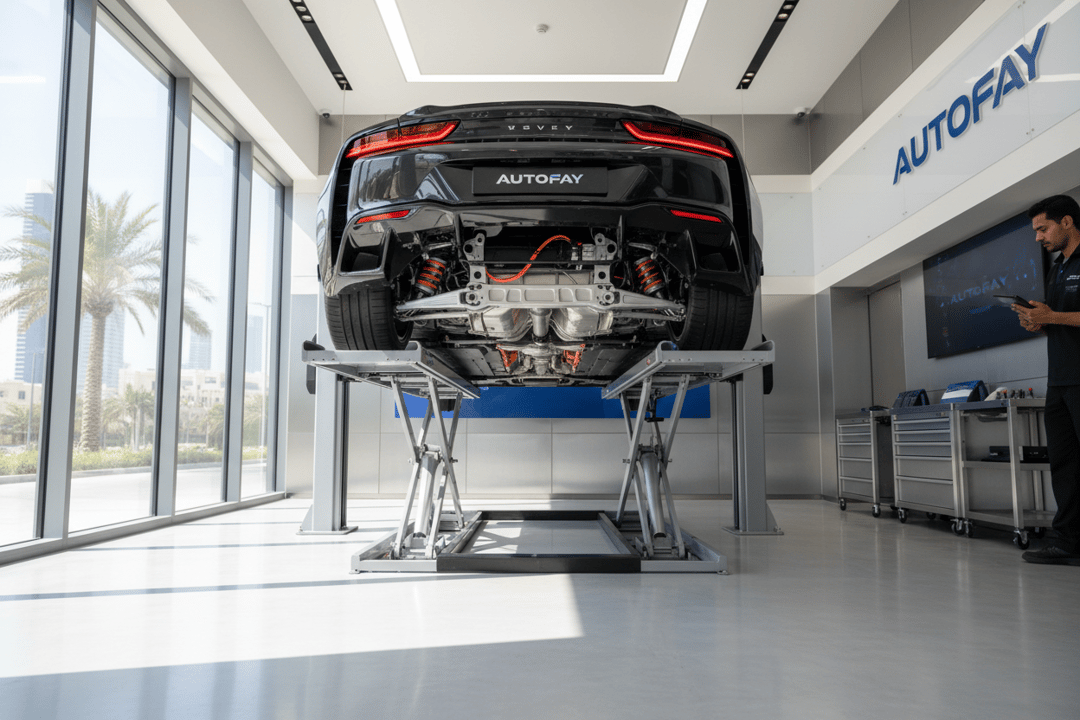
The floor pans and chassis rails are particularly susceptible to rust in the UAE due to salt exposure if the vehicle has been imported. Inspectors lift the vehicle to inspect the undercarriage for corrosion or previous welding repairs that could indicate a major collision. A compromised frame rails or unibody damage can drastically reduce the vehicle's safety rating and resale value.
The Inspection Checklist: What Professionals Look For
A comprehensive inspection covers 25 distinct categories to ensure no aspect of the vehicle is overlooked. The process begins with a computer diagnostic scan to identify any stored error codes related to the engine, transmission, ABS, and airbag systems. This step is essential for uncovering faults that may not be immediately apparent to the driver but can lead to expensive repairs if ignored.
Inspectors meticulously check the fluids, including engine oil, transmission fluid, coolant, and brake fluid. The condition of the oil reveals the engine's internal health; a milky or burnt odor indicates coolant leaks or burning oil. Brake pad thickness is rated on a percentage scale to predict future replacement costs. Tires are checked for manufacturing date and wear levels, as mismatched or aged tires can lead to blowouts, especially during high-speed highway driving.
The road test evaluates the vehicle's dynamic performance. Inspectors listen for abnormal noises from the engine bay, transmission, or wheel bearings. They check for vibrations through the steering wheel or seat during acceleration and braking. Vibration often points to worn suspension components or unbalanced wheels. Inspectors also verify the functionality of all electronic features, from the sunroof to the adaptive cruise control, ensuring the luxury experience is fully operational.
Making the Decision: Choosing the Right Inspection Service
While many dealerships offer basic checks, they rarely provide the granular detail required for a luxury vehicle like the Mercedes-Benz S-Class. Third-party inspection services offer an unbiased perspective, allowing the buyer to negotiate based on factual data rather than dealer assurances. Utilizing a on-location inspection ensures the inspection takes place at the seller's location, eliminating the need for the buyer to transport a potentially unreliable vehicle.
For a detailed evaluation of the S-Class's electrical systems, the Computer Diagnostic package is an affordable entry point. This service identifies hidden faults that could otherwise lead to thousands of dirhams in repairs. For a complete assessment of the vehicle's mechanical and structural health, the Comprehensive package provides a holistic view. This service covers the body, frame, engine, brakes, tires, and suspension, ensuring that every component meets the required safety standards.
AutoFay inspects 410+ checkpoints with HD photos and PDF report. Book at autofay.ae or call +971542584458.


0 Comments
No comments yet. Be the first to share your thoughts!