

The Mercedes-Benz GLE occupies a distinguished position in the UAE’s luxury SUV segment, offering a blend of comfort, performance, and badge appeal. However, purchasing a pre-owned model requires a deep understanding of its engineering nuances and common failure points. German vehicles, particularly high-end models like the GLE, often hide mechanical issues behind smooth drivability. A thorough inspection is not merely an option but a necessity to uncover hidden structural defects or electronic malfunctions that could lead to expensive repairs.
The Electrical Achilles Heel of the GLE
Modern Mercedes-Benz models, particularly those equipped with the M274 and M256 gasoline engines, are sophisticated machines with complex electronic control units. One of the most frequent complaints among owners involves the infotainment system and driver assistance technologies. The GLE utilizes a multitude of sensors for adaptive cruise control, lane keeping assist, and automatic emergency braking. If these sensors are misaligned or the control modules are faulty, the vehicle may enter a limp mode or fail safety checks.
Inspectors must verify that all driver assistance features operate correctly during a road test. Glitches in the digital cockpit or the COMAND system can detract from the luxury experience and indicate aging components. Furthermore, the vehicle's electrical architecture is prone to parasitic drain, which can deplete the battery if the car sits idle for extended periods, a common occurrence for UAE residents during holiday periods.
Engine Health and Fluid Management
While the GLE’s engines are generally robust, oil consumption has historically been a point of concern for the M274 and M256 powerplants. It is not uncommon for these engines to consume oil between service intervals, but excessive consumption often signals worn piston rings or valve guides. A experienced inspector will check the dipstick and the oil level between the seller's stated mileage and the inspection date to determine if the vehicle is burning oil at an abnormal rate.
Another critical area is the cooling system. The GLE is equipped with a complex cooling system designed to manage high-performance engines. The thermostat housing and water pump are plastic components that can degrade over time, leading to coolant leaks. A coolant leak, even if minor, can cause the engine to overheat, resulting in catastrophic head gasket failure. Inspectors must look for white residue or green fluid stains around the engine block and the thermostat housing.
Structural Integrity and Rust Risks in the UAE
Although the UAE climate is dry, the use of road salt during winter maintenance in neighboring GCC countries can lead to unexpected corrosion on imported vehicles. The GLE’s unibody construction relies heavily on the condition of the frame rails, pillars, and floor pans. A collision, even a minor one, can compromise the structural rigidity of the SUV, affecting safety ratings and handling characteristics.
Professional inspections involve a "panel-by-panel" assessment of the body work to detect previous repairs. Panels that do not align perfectly or gaps that vary excessively between doors and the hood indicate a history of bodywork. Inspectors will use a magnet on the body panels to check for rust hiding beneath the surface paint. The condition of the frame rails and the floor pan is particularly vital, as rust here can compromise the vehicle's structural integrity and lead to expensive repairs.
The Inspection Standard: What Inspectors Check
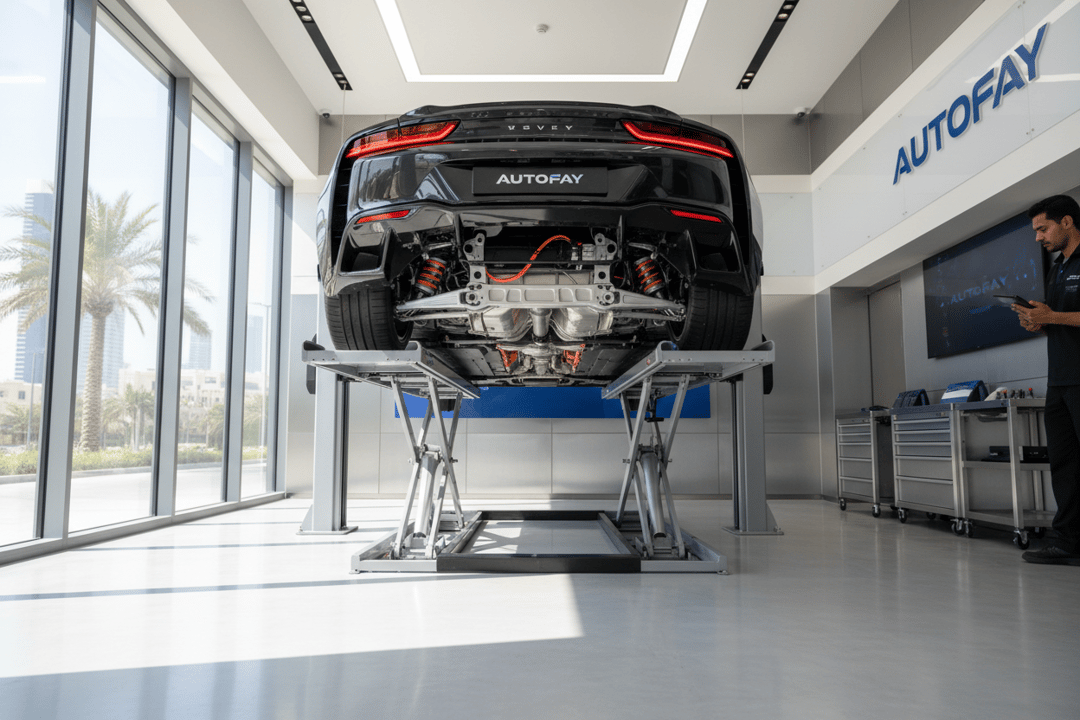
A comprehensive pre-purchase inspection covers over 410+ checkpoints across 25 distinct categories to ensure the vehicle meets safety standards. The process begins with a computer diagnostic scan to retrieve fault codes from the engine, transmission, ABS, and airbag systems. Modern vehicles generate data that a standard mechanic cannot see without specialized software, making this step essential for uncovering hidden issues.
Inside the cabin, inspectors examine the upholstery, electronics, and the functionality of all switches and buttons. The suspension system is then subjected to a visual and physical test to check for worn bushings, leaking shock absorbers, and damaged ball joints. The braking system is assessed by measuring the thickness of the brake pads and rotors, ensuring they meet safety specifications. Finally, the road test evaluates acceleration, braking performance, noise levels, and vibrations under various driving conditions to ensure the vehicle drives as intended.
| Inspection Category | Key Checks Performed |
|---|---|
| Computer Diagnostics | Engine, Transmission, ABS, Airbag, SRS Systems |
| Body & Paint | Panel-by-panel inspection, originality, repair quality |
| Frame & Structure | Rail integrity, pillar condition, floor pan rust check |
| Engine & Drivetrain | Oil levels, transmission shifts, leak detection, mounts |
| Suspension & Brakes | Shock absorbers, ball joints, pad thickness rating |
| Road Test | Acceleration, braking, noise, vibration, steering feedback |
Specific Red Flags for GLE Buyers
When evaluating a used GLE, certain red flags should trigger immediate concern. A strong smell of burning oil or coolant upon starting the vehicle often indicates a leak that has already caused damage to internal components. Blue smoke from the exhaust during acceleration suggests burning oil, which points to significant internal engine wear. Conversely, white smoke usually indicates a blown head gasket, a repair that is often cost-prohibitive.
Inspectors must also verify the manufacturing date of the tires. Tires older than six years are considered unsafe regardless of tread depth, as rubber degrades over time. Mismatched tires or uneven tread wear can indicate alignment issues or suspension problems. Additionally, a vehicle that refuses to start or exhibits rough idling despite recent maintenance is a strong indicator of underlying electrical or mechanical faults that warrant further investigation.
Choosing the Right Inspection Package
Not all inspections are created equal, and selecting the appropriate level of scrutiny depends on the vehicle's condition and your risk tolerance. A basic assessment may capture surface-level issues, but a comprehensive inspection is necessary for high-mileage units or those with a questionable service history. Investing in a detailed report prevents the acquisition of a vehicle that requires immediate, expensive repairs.
Service packages are designed to provide varying levels of detail to suit different budgets and needs. For a quick assessment of the vehicle's computer systems, a Computer Diagnostic service is available. To evaluate the drivability and mechanical components, the Body & Computer package offers a broader scope of checks. For the ultimate protection against hidden defects, the Comprehensive package provides the most detailed analysis of the vehicle's overall condition.
- Computer Diagnostic: AED 99 – Identifies engine, transmission, and safety system errors.
- Body & Computer: AED 250 – Combines visual body checks with diagnostic scanning.
- Comprehensive: AED 299 – Full 410+ checkpoint inspection including road test, frame check, and fluid analysis.
AutoFay inspects 410+ checkpoints with HD photos and PDF report. Book at autofay.ae or call +971542584458



0 Comments
No comments yet. Be the first to share your thoughts!