


The Mercedes-Benz E-Class has long been the benchmark for executive sedans in the Arabian Gulf, often seen as the pinnacle of luxury and engineering. However, the sophistication of German engineering introduces specific mechanical and electrical complexities that differ significantly from mass-market vehicles. A used E-Class purchase requires a rigorous screening process to ensure reliability. Attempting a visual inspection alone often misses underlying issues that could lead to significant financial liability or safety hazards down the road.
Mechanical Red Flags: Engine and Transmission Health
The first area of scrutiny involves the powertrain. The Mercedes-Benz E-Class, particularly the W204 (2009–2016) and W213 (2016–2023) generations, utilizes sophisticated engine management systems. A experienced inspector will not just listen to the engine; they will evaluate the sound under load and at idle to identify abnormal combustion or bearing wear.
Oil consumption is a known historical issue with specific Mercedes-Benz petrol engines, such as the M271 and M274. If the vehicle is burning excessive oil, it indicates piston ring or valve seal degradation, requiring expensive repairs. Furthermore, the automatic transmission in later models is known to exhibit "soft shifts" or hesitation during acceleration. This behavior is often a sign of transmission fluid degradation or a failing valve body rather than a minor adjustment, leading to costly overhauls if ignored.
Inspectors must also check for external oil or coolant leaks. A slow drip may seem trivial, but it indicates gasket failure or a cracked oil cooler, which can lead to catastrophic engine failure if left unaddressed. When assessing the condition of the transmission, the inspector looks for slippage during acceleration and harsh engagement when shifting from Park to Drive.
Electrical System Vulnerabilities
Modern Mercedes-Benz vehicles are essentially computers on wheels. The electrical architecture is notoriously complex, making the diagnostic process critical. Common issues include malfunctions in the airbag system and infotainment glitches. An airbag light illuminating on the dashboard indicates a deployed or faulty sensor, which is a significant safety recall item that must be addressed before the car can be legally driven safely.
Furthermore, the vehicle’s stability control and braking systems rely heavily on wheel speed sensors and ABS modules. A pre-purchase inspection must include a comprehensive OBD scan. This process reads error codes from the engine, transmission, ABS, and airbag modules to reveal history that the driver might not be aware of. For example, a history of airbag deployment, even if repaired, can permanently affect the structural integrity of the steering wheel and seats, signaling a potential accident history.
Structural Integrity and Body Assessment
Accidents involving higher-end vehicles often result in repairs that compromise safety. A professional inspector looks for panel misalignment, which suggests previous collision damage. The doors, hood, and trunk should close with a uniform, solid sound without excessive force. Gaps between body panels should be consistent throughout the car.
Inspectors pay close attention to the chassis, or "frame," as this is the foundation of the vehicle's safety rating. Damage to the B-pillars, floor pans, or rocker panels can compromise the structural rigidity required to protect passengers in a rollover. Checking the paint thickness using a specialized gauge helps determine if panels have been repainted due to accident damage. Cosmetic repairs are one thing, but structural repairs can void safety certifications.
The Inspection Checklist: What Inspectors Check
A professional assessment goes beyond visual inspection; it involves a systematic approach to verify the vehicle's condition. An expert inspection covers approximately 410+ checkpoints across 25 distinct categories to ensure every component functions as intended. Below is a summary of how a comprehensive inspection breaks down these critical systems:
| Category | Specific Inspection Points |
|---|---|
| Body & Paint | Panel-by-panel analysis for original finish; checking for rust or previous repairs; measuring paint thickness to detect accident damage. |
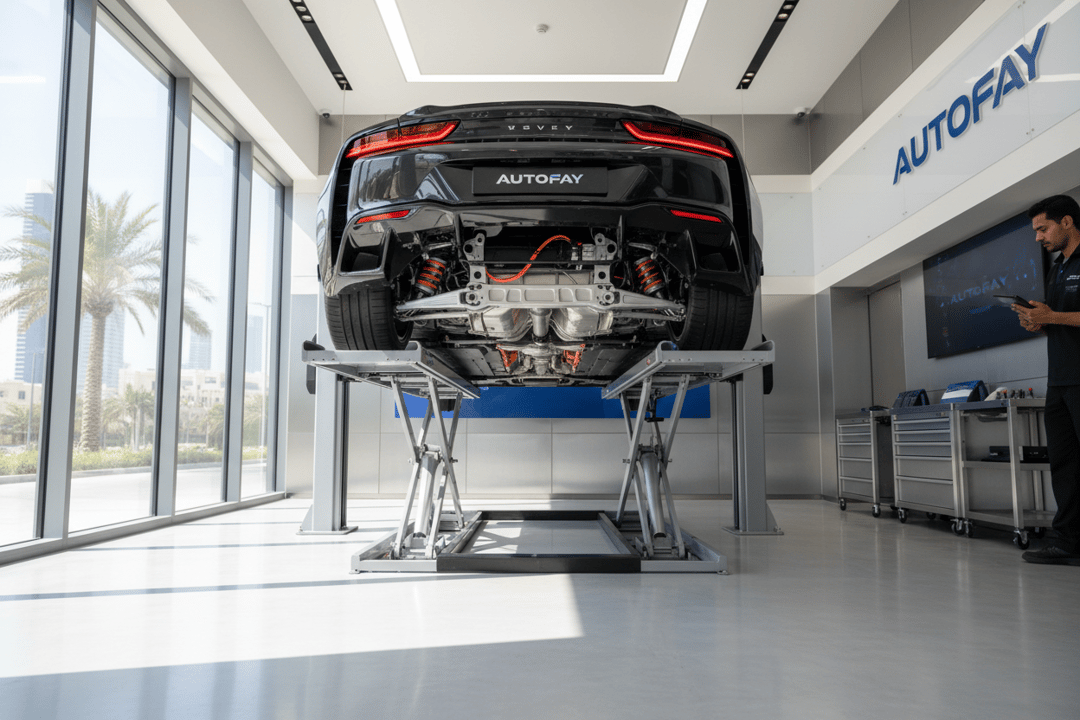
| Frame & Chassis | Inspection of the underbody, floor pans, and chassis rails for corrosion or structural damage from previous accidents. |
| Engine | td>Checking engine mounts for wear, listening for abnormal noises, and inspecting belts and hoses for cracks or leaks.|
| Brakes | Measuring brake pad thickness percentage to determine remaining life; checking rotor condition and brake fluid levels. |
| Suspension & Tires | td>Testing shock absorbers for leaks; checking tire manufacturing dates to ensure they are not aged rubber; inspecting bushings for wear.|
| Fluids | td>Checking engine oil, transmission fluid, coolant, and brake fluid levels; assessing condition for contamination or degradation.
Suspension and Ride Comfort
The suspension system defines the driving experience of the E-Class. Many models, especially those with air suspension, require specific attention. A distinct "clunking" or rattling noise when driving over speed bumps indicates worn strut mounts or ball joints. For models equipped with air suspension, the inspector must verify that all air struts are holding pressure and that there are no visible leaks on the bellows.
Failure of air suspension components results in a sagging rear end, which alters the vehicle's handling characteristics and can place abnormal stress on the tires. This not only affects comfort but also accelerates tire wear. Coil-spring suspensions are generally more reliable but still suffer from worn bushings and shock absorbers over time, leading to a bumpy ride and reduced handling stability.
Investment in Transparency: Pricing and Packages
Risking capital on a used luxury vehicle without thorough verification is unwise. The cost of a professional inspection is minimal compared to the expense of unforeseen repairs. While a visual check might cost nothing, it offers no liability protection. A professional inspection provides a documented history of the vehicle’s condition, allowing the buyer to negotiate price reductions based on factual findings.
For those seeking a detailed evaluation, professional services offer tiered packages designed to match the depth of inspection required. A basic Computer Diagnostic service is available for AED 99, offering a quick look at engine and fault codes. For a full assessment of the vehicle's mechanical and electrical health, the Body & Computer package is priced at AED 250. The most thorough option is the Comprehensive package at AED 299, which covers 25 categories and 410+ checkpoints.
AutoFay provides on-location inspection services across all 7 Emirates, bringing the inspection directly to the vehicle’s location. This ensures the inspection occurs under realistic conditions without the seller hiding potential issues by moving the car to a different showroom.
The Mercedes-Benz E-Class remains a desirable vehicle, but its value is highly dependent on its maintenance history and current condition. A professional inspection cuts through the sales pitch to reveal the mechanical reality. Ensuring the vehicle meets strict standards before purchase protects the buyer from expensive surprises.
AutoFay inspects 410+ checkpoints with HD photos and PDF report. Book at autofay.ae or call +971542584458




0 Comments
No comments yet. Be the first to share your thoughts!