

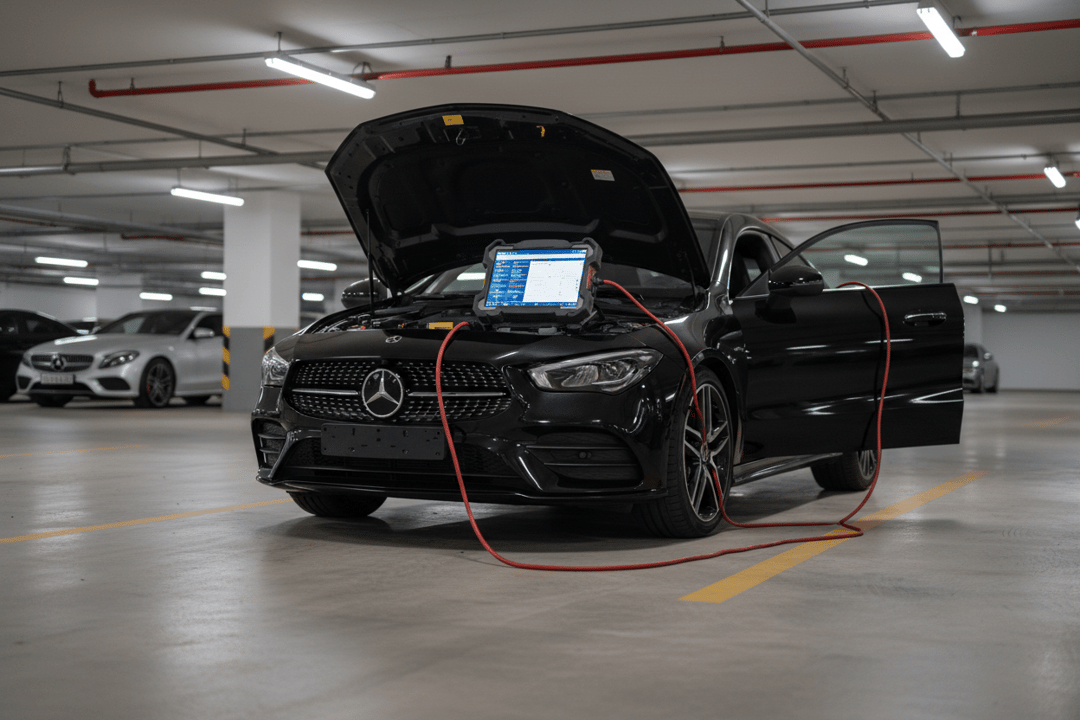
The Mercedes-Benz CLA has established itself as a dominant figure in the UAE compact luxury segment. Its sleek fastback profile and premium interior appeal to buyers seeking entry-level prestige. However, the CLA is not without its mechanical quirks and common failure points. A thorough inspection is critical to avoid inheriting a vehicle with hidden structural damage or expensive electrical faults. Personal examination often misses subtle signs of wear that a experienced professional can identify. Relying solely on a visual walk-around leaves significant risk on the table.
Common Mechanical Weaknesses in the CLA
The most critical area of concern in the CLA is the dual-clutch transmission, specifically the 7G-DCT. This transmission is known for jerky shifts when cold or when the oil is low. A seller may describe this behavior as "normal," but it often indicates the transmission fluid needs changing or the mechatronics unit requires attention. Ignoring these symptoms can lead to complete transmission failure, which renders the vehicle undrivable and requires a costly replacement unit.
Engine reliability is generally solid, but the turbocharger assembly is a frequent point of failure on high-mileage units. A failing turbo can produce excessive exhaust smoke and a loss of power. The pre-purchase inspection must verify the condition of the turbocharger by checking for oil leaks around the housing and listening for unusual whistling noises during acceleration.
Bodywork and Paint Anomalies
Mercedes-Benz vehicles are frequently resprayed to hide accident damage, which can complicate a pre-purchase decision. Inspectors look for panel gaps that are inconsistent between the left and right sides of the vehicle. A gap that is wider than a credit card between the door and the front fender usually indicates a collision repair that was not performed to factory specifications.
Paint thickness is another vital metric. Using a paint thickness gauge, an inspector measures the original factory clear coat. If the readings on the doors or bumpers are significantly higher than the hood or roof, it confirms the presence of body filler or repainted panels. This is often a red flag for previous accident damage or flood exposure, which can lead to rust forming inside the body panels over time.
Electrical System Malfunctions
Modern Mercedes-Benz vehicles rely heavily on electronics, and the CLA is no exception. Common issues include failing electric power steering pumps, which can cause stiff steering and unusual whining noises. Another frequent complaint involves the infotainment system freezing or disconnecting from the car's sensors.
Another area of concern is the battery management system. The CLA utilizes a high-voltage battery for start-stop functionality. If this battery degrades or fails, it can cause the car to go into limp mode or fail to start. A comprehensive inspection includes checking the health of the battery and the charging system to prevent unexpected breakdowns in the future.
Essential Inspection Packages for the CLA
Inspecting a used Mercedes-Benz requires specialized tools and professional judgment. Relying on a basic mechanic is insufficient for a vehicle of this complexity. Professional diagnostic packages offer a systematic approach to uncovering these issues. The following table outlines the key service levels available for a thorough evaluation of the CLA.
| Service Package | Price | Key Focus Areas |
|---|---|---|
| Computer Diagnostic | AED 99 | OBD scan for engine, transmission, ABS, and airbag fault codes. |
| Body & Computer | AED 250 | Panel-by-panel paint analysis, OBD scan, and frame structure check. |
| Comprehensive | AED 299 | 25 categories including brakes, suspension, tires, fluids, and road test. |
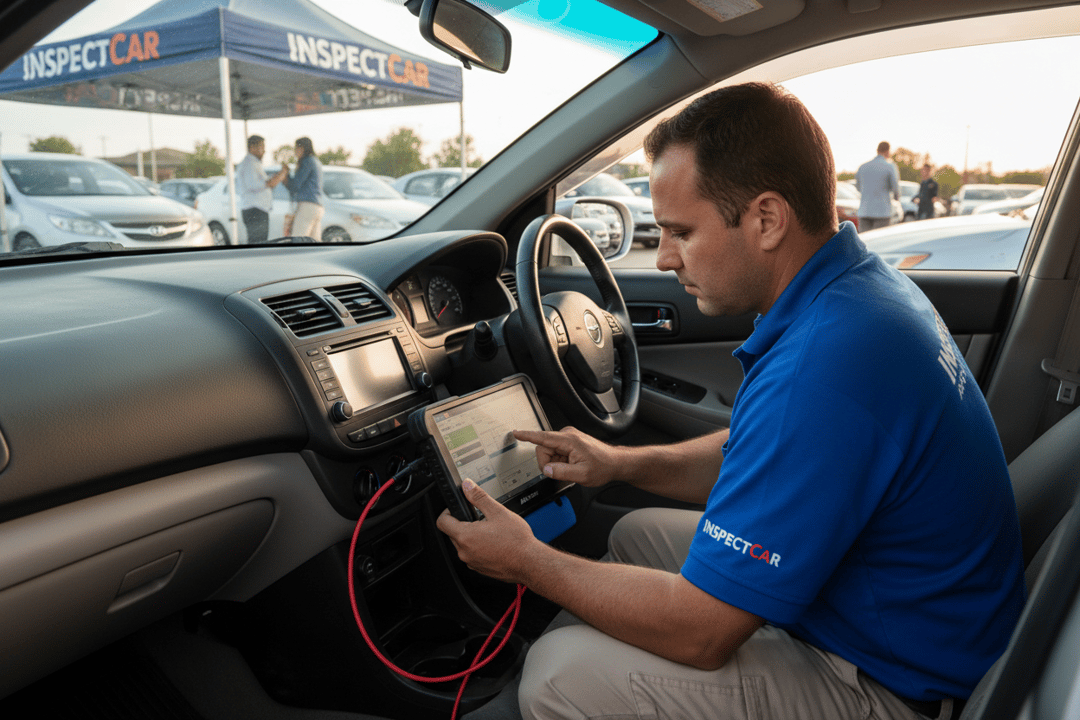
The Computer Diagnostic package is the starting point for any CLA purchase. It reveals stored error codes that the driver may not notice. The Body & Computer package goes further by using the OBD tool to check for hidden software updates and physically inspecting the paintwork. The Comprehensive package is the most thorough option, covering 410+ checkpoints across 25 distinct categories. This includes a road test to evaluate acceleration, braking performance, road noise, and vibration, ensuring the vehicle drives as smoothly as it looks on paper.
Road Test and Suspension Analysis
A successful purchase depends on how the car performs behind the wheel. During the road test, pay close attention to the steering wheel alignment. If the wheel pulls to the left or right when the hands are removed, the front suspension or steering components may be worn or misaligned. This condition is dangerous and can lead to uneven tire wear.
Inspect the brakes thoroughly. Mercedes-Benz vehicles are equipped with high-performance braking systems that can be expensive to replace. Check the brake pads for wear levels and listen for squealing noises, which indicate the pads are approaching the minimum thickness limit. Inspect the rotors for scoring or warping, which can cause a pulsating sensation in the brake pedal.
The tire manufacturing year is also a critical detail. Tires older than five years can deteriorate quickly, especially in the high UAE heat. Even if the tread depth is sufficient, aged tires pose a significant safety risk. An inspector will verify the DOT date on the tire sidewall to ensure they are safe for the immediate future.
When purchasing a used vehicle in the UAE, the risk of inheriting hidden structural or mechanical issues is high. A professional inspection provides the objective data needed to make a secure transaction. Professional inspectors utilize advanced tools to scan for stored codes and physically examine the vehicle’s integrity.
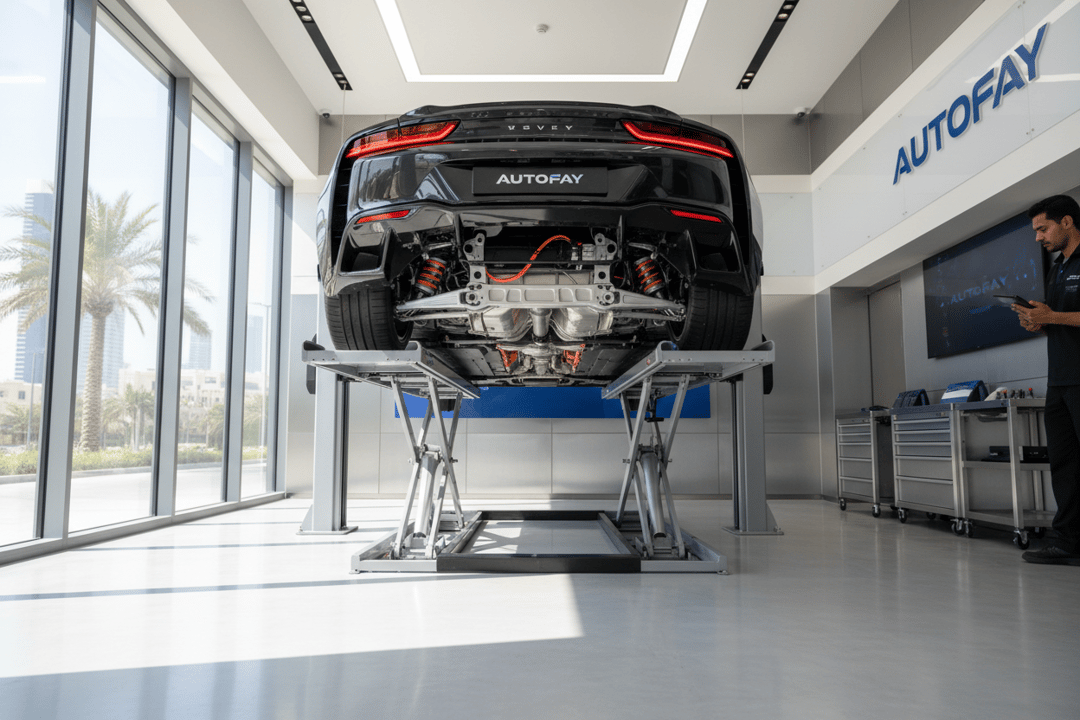
AutoFay inspects 410+ checkpoints with HD photos and PDF report. Book at autofay.ae or call +971542584458



0 Comments
No comments yet. Be the first to share your thoughts!