


The Mercedes-Benz A-Class represents a segment of entry-level luxury that is incredibly popular across the UAE. Its sleek design, advanced technology, and premium interior appeal to buyers seeking status and comfort. However, the unique environmental conditions of the region—including extreme heat, aggressive driving styles on highways, and the prevalence of unsealed roads—accelerate wear on specific components. For a used vehicle buyer, understanding these vulnerabilities is essential to avoid acquiring a vehicle that requires immediate and expensive capital injection.
The Challenge of Used Luxury in the Middle East
The desert climate subjects vehicles to thermal stress that can degrade materials and shorten component lifespans significantly. High daytime temperatures can cause rubber seals to harden and split, while rapid temperature fluctuations affect electrical connections. Furthermore, the aggressive driving style common in the UAE, characterized by high speeds and frequent braking, places immense stress on the drivetrain and chassis. A vehicle that performs well in Europe may show significant fatigue when subjected to the rigorous conditions found on Emirates roads.
Engine Health and Oil Consumption
One of the most frequent findings during a vehicle inspection is excessive oil consumption in Mercedes-Benz A-Class models. The high ambient temperatures cause the oil to break down faster than in cooler climates, leading to sludge buildup over time. This degradation compromises lubrication, resulting in increased friction and wear on piston rings and valve stems. A vehicle burning significant amounts of oil will leave dark, thick deposits on spark plugs and oxygen sensors, leading to misfires and reduced fuel efficiency.
Furthermore, older models are prone to timing chain tensioner failures. The tensioner relies on oil pressure to maintain proper chain slack. When oil degrades or pressure drops due to sludge, the chain can stretch, resulting in a rattling noise at startup and, if left unaddressed, catastrophic engine failure. Inspectors look for signs of carbon buildup on the intake valves and check the engine mounts for deterioration, which can transmit excessive vibration into the cabin.
Transmission Reliability Concerns
The transmission is the heart of the driving experience, and the Mercedes-Benz A-Class often utilizes a dual-clutch transmission (DCT). While efficient, this system is sensitive to heat and shock. In the UAE, stop-and-go traffic combined with the intense sun can cause the transmission fluid to overheat. Elevated fluid temperatures degrade the clutch plates, leading to shuddering during acceleration or delayed gear engagement. The consequence of continued driving without addressing these issues is the complete failure of the transmission, which often requires a unit replacement costing more than the value of the car.
Fluid contamination is another critical indicator. Old transmission fluid often turns a brown or black color and develops a burnt smell, signaling that the internal friction materials are breaking down. A professional inspection includes checking the fluid level and condition to ensure the transmission is not on the brink of failure. It is crucial to verify that the transmission does not slip when shifting gears or hesitate during high-speed acceleration.
- Slipping Gears: The engine revs higher without corresponding acceleration.
- Delayed Engagement: A noticeable pause or jerk when shifting from Park to Drive.
- Transmission Warning Light: The illumination of the check engine light specifically relating to transmission codes.
Suspension and Chassis Wear
The suspension system in the A-Class is designed to provide a smooth ride, but the components supporting it are subject to high fatigue levels. The UAE road infrastructure, including speed bumps and uneven surfaces, accelerates the wear of shock absorbers and struts. Over time, the damping capability of these components diminishes, leading to a "floaty" or unstable feeling at highway speeds. This condition compromises vehicle handling and increases stopping distance.
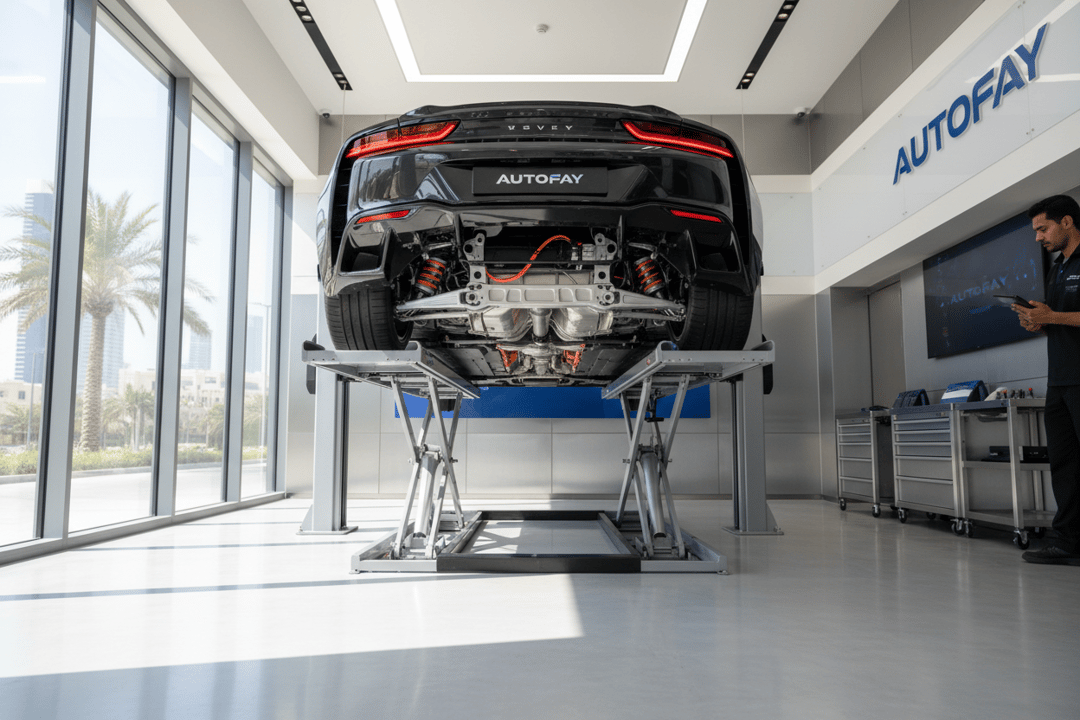
In addition to traditional suspension parts, inspectors must scrutinize the chassis for structural integrity. Rust and corrosion can begin to form in hidden areas, particularly where salt or moisture accumulates. The condition of the subframe and control arms determines the safety of the vehicle. Loose or worn ball joints can cause clunking noises over bumps and, if they fail, can lead to the wheel detaching entirely. A thorough inspection involves checking the suspension for play, leaks, and proper alignment.
Electrical System Failures
Modern Mercedes-Benz vehicles rely heavily on a complex network of sensors and electronics. The heat in the UAE accelerates the degradation of wiring insulation and electrical connections. Moisture ingress, combined with high temperatures, can cause corrosion at battery terminals and sensor connectors. This corrosion disrupts the electrical signals between the onboard computer and the various modules, leading to erratic behavior in the infotainment system, dashboard lights, and climate control.
Common electrical issues include faulty window regulators, which can become jammed or make grinding noises, and malfunctioning power seats. These are often caused by stripped gears or worn motors rather than a complete system failure. Inspectors look for signs of electrical tape usage, which often indicates previous repairs to exposed wiring. A vehicle with poor electrical health may require extensive diagnostic work to pinpoint the source of the fault, often involving multiple module replacements.
AC and Climate Control Issues
The air conditioning system works continuously in the UAE to combat extreme external temperatures. This constant operation places high stress on the AC compressor. Dust and sand in the air can clog the condenser, reducing the system's efficiency and causing overheating. A failing compressor can lead to total loss of cooling, resulting in an unbearably hot cabin and potential damage to the engine due to overheating.
Blower motors and cabin filters also face significant wear. A clogged cabin filter restricts airflow and can harbor mold and bacteria, affecting air quality. A failing blower motor produces a whining or grinding noise and may blow air only at high speeds. Ensuring the AC system is in good working order is essential for comfort and safety, as the driver’s ability to remain cool and focused is critical during hot drives.
Why Professional Inspection is Non-Negotiable
Visually inspecting a vehicle is rarely enough to uncover the hidden faults that plague used luxury cars. A trained eye looks for subtle signs of past accidents or poor maintenance that are not visible to the uninitiated. This is where a comprehensive inspection service becomes a vital investment. By utilizing advanced diagnostic tools and a rigorous checklist, inspectors can uncover issues that would otherwise result in significant financial loss.
Choosing the right inspection service ensures that every critical system is evaluated. From the engine bay to the undercarriage, a professional service provides an objective assessment of the vehicle's true condition. This transparency allows buyers to make informed decisions based on facts rather than assumptions.
| Inspection Package | Price (AED) | Key Inclusions |
|---|---|---|
| Computer Diagnostic | 99 | Engine, Transmission, ABS, Airbag system error codes. |
| Body & Computer | 250 | Panel-by-panel body check, Frame integrity, OBD scan, Brakes, Suspension. |
| Comprehensive | 399 | 410+ checkpoints, HD photos, PDF report, Road test, Fluids, Tires. |
AutoFay inspects 410+ checkpoints with HD photos and PDF report. Book at autofay.ae or call +971542584458




0 Comments
No comments yet. Be the first to share your thoughts!