


The Mazda 6 has established itself as a premium sedan option in the UAE due to its refined ride quality and driving dynamics. However, like any vehicle with high mileage, it presents specific maintenance challenges that require expert scrutiny. A pre-purchase inspection is essential to uncover hidden structural or mechanical issues before committing to the purchase. This guide provides a technical breakdown of what to look for and how a professional inspection protects your investment.
The Mazda 6 Generations in the UAE Market
The used market primarily features the second-generation (2008–2012) and third-generation (2014–2018) models. Each generation requires a different approach to inspection due to distinct engineering priorities. The second-generation Mazda 6 is often praised for its robust inline-four engine, while the third-generation focuses heavily on advanced suspension and infotainment systems. Identifying the generation helps determine the likely weak points of the specific vehicle you are evaluating.
Common Transmission and Gearbox Issues
The automatic transmission in the Mazda 6 has historically been a point of contention for owners. Shifting into second gear can sometimes be abrupt or jerky, which may indicate software calibration issues or a failing valve body. A vehicle that hesitates to engage gears from a complete stop often points to a torque converter problem. Inspectors must listen for whining noises during acceleration, which suggests the transmission fluid is worn or internal bearings are failing.
Oil Consumption and Engine Health
High-mileage engines in the UAE often exhibit higher levels of oil consumption due to heat stress. However, excessive consumption requires immediate attention. Inspectors check the dipstick for thick, dark oil, which indicates sludge buildup. A burning smell from the exhaust, particularly a blue tint, signals worn piston rings or valve stem seals. These components are costly to repair and significantly reduce engine lifespan if neglected.
Electrical Systems and Software Glitches
The third-generation Mazda 6 relies heavily on complex electronic control modules. Dashboard warning lights that illuminate intermittently, such as the "Check Engine" or "Traction Control" lights, indicate pending faults. These are often resolved with a software update but can hide underlying hardware failures. An OBD (On-Board Diagnostics) scan is the only way to retrieve these specific error codes.
Infotainment system glitches, including frozen screens or unresponsive touch inputs, are also common. While software resets can fix temporary bugs, recurring failures may point to a failing touchscreen controller unit. Ignoring these issues can lead to complete system failure, making diagnostics a critical part of the inspection process.
Body, Paint, and Frame Integrity
Mazda uses specific lacquer paints that are sensitive to environmental factors in the UAE. Inspectors meticulously check for panel gaps; uneven spacing between doors and the hood suggests previous collision damage that was poorly repaired. The "Soul Red" paint finish is prone to fading, and excessive oxidation indicates the vehicle has not been maintained in a climate-controlled environment.
Rust and Corrosion Checks
While Mazda 6s are generally rust-resistant, the wheel arches and sills in the UAE are susceptible to corrosion from road salt or garage humidity. A visual inspection of the undercarriage reveals rust spots that can spread to structural components. Inspectors pay close attention to the frame rails, which must be free of bends or cracks to ensure the vehicle's structural safety.
What Inspectors Check: The Technical Checklist
A professional inspection involves a systematic evaluation of mechanical components to ensure the vehicle meets safety standards. Inspectors utilize a standardized checklist to cover all critical systems.
| Inspection Category | Key Checks Performed |
|---|---|
| Engine & Fluids | Oil viscosity, coolant condition, transmission fluid smell and color, and exhaust smoke analysis. |
| Brakes & Suspension | Brake pad thickness percentage rating, disc thickness, shock absorber leaks, and strut condition. |
| Electrical & OBD | Engine, transmission, ABS, and airbag code scanning. Dashboard light functionality verification. |
| Tires & Alignment | Tire manufacturing date to ensure they are not old stock, tread depth measurement, and alignment check. |
Red Flags for Mazda 6 Buyers
Certain symptoms should immediately disqualify a vehicle from consideration. A clunking noise over bumps indicates worn control arm bushings or ball joints. The Mazda 6 uses MacPherson struts, and failing shocks cause a bouncy ride and poor handling stability.
Steering wheel vibration at highway speeds suggests tire balancing issues or a warped brake rotor. A "Check Engine" light that remains illuminated permanently points to a serious emission or sensor failure. Ignoring these symptoms leads to progressive damage and increased repair costs.
Why Professional Inspection Matters
Relying on a visual inspection alone is insufficient for a vehicle of this caliber. Mechanical wear often occurs internally before becoming visible to the naked eye. A experienced inspector provides an objective assessment of the vehicle's true condition.
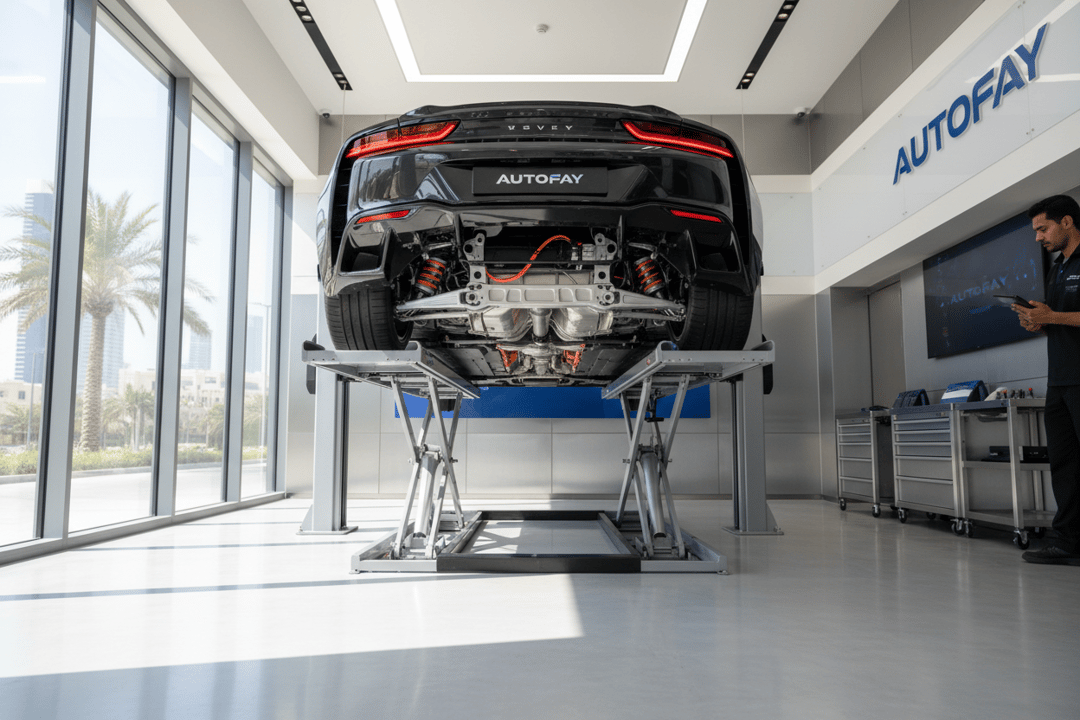
AutoFay offers on-location inspection services across all seven Emirates, ensuring flexibility for buyers. Their comprehensive packages provide thorough documentation. Available packages include Computer Diagnostic starting at AED 99, Body and Computer inspection at AED 250, and a Full Comprehensive Inspection at AED 299. These services cover over 410+ checkpoints across 25 categories, ensuring every aspect of the vehicle is evaluated.
AutoFay inspects 410+ checkpoints with HD photos and PDF report. Book at autofay.ae or call +971542584458




0 Comments
No comments yet. Be the first to share your thoughts!