


The Lincoln Navigator represents the pinnacle of American luxury SUVs, offering commanding presence and a cavernous interior. In the UAE market, this vehicle is a popular choice for those requiring high-end transport with significant cargo space. However, the sheer size and weight of the Navigator introduce specific mechanical and structural challenges that demand rigorous scrutiny during the pre-purchase phase. A visual walk-around is insufficient; a professional inspection is the only reliable method to uncover the vehicle’s true condition.
Common Mechanical Weaknesses in the Navigator
The Navigator’s architecture places immense stress on its suspension and steering systems. Buyers must be vigilant about the air suspension, which is the most critical component affecting ride height and handling. Failure of air compressor units or leaks in the struts will cause the vehicle to sag, leading to uneven tire wear and compromised ride quality.
Electric power steering (EPS) is another frequent point of concern. Given the Navigator’s substantial mass, the EPS motor is under constant load. A failing motor may result in a stiff steering wheel at low speeds or a "shimmy" sensation at highway velocities.
Oil leaks are ubiquitous in high-mileage examples. The large engines found in these vehicles often suffer from valve cover gasket deterioration and rear main seal degradation. Oil pooling on the hot exhaust manifold creates a significant fire risk, necessitating immediate attention upon inspection.
The Inspection Categories: What Is Checked?
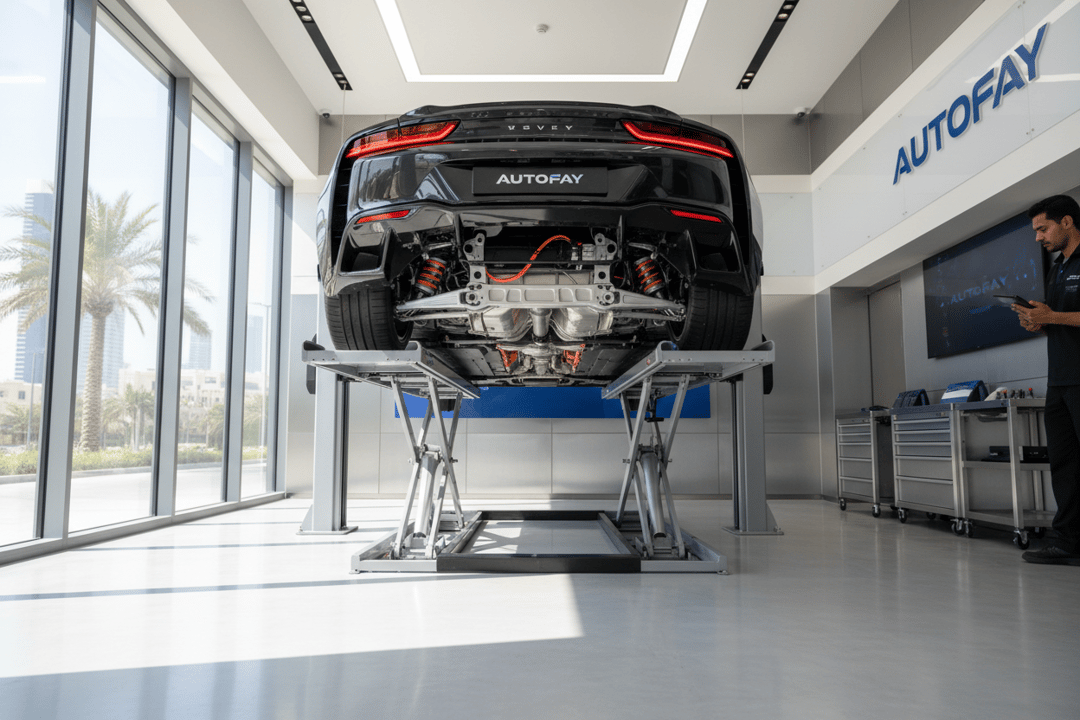
A comprehensive inspection covers the vehicle across 25 distinct categories, totaling over 410+ checkpoints. This systematic approach ensures that no aspect of the vehicle’s condition is overlooked. Inspectors utilize a on-location inspection that can travel to any of the seven Emirates, bringing professional equipment directly to the seller’s location.
- Body and Paint Analysis: Inspectors measure paint thickness on panels that have been repainted. Discrepancies between the paint gauge readings indicate accident damage or previous repairs.
- Frame and Structural Integrity: The chassis rails, B-pillars, and floor pans are examined for corrosion or impact damage. The Navigator’s heavy weight means structural failure is a catastrophic risk.
- Engine and Drivetrain: The engine bay is checked for leaks, unusual sounds, and the condition of the engine mounts. The transmission is inspected for delayed shifts or slipping.
- Brake System Assessment: Brake pad thickness is measured as a percentage of the original material.
- Suspension and Tires: Shock absorbers are tested for bounce behavior. Tires are scrutinized for manufacturing dates, ensuring the rubber has not degraded from age.
- Fluid Condition: Oil, coolant, and brake fluid levels are checked. The color and smell of the fluids indicate whether the vehicle has been maintained correctly.
The Critical Role of Digital Diagnostics
Modern vehicles rely on complex electronic networks that a visual inspection cannot access. An On-Board Diagnostics (OBD) scan is essential to retrieve hidden error codes from the Engine Control Unit (ECU), Transmission Control Module (TCM), ABS module, and airbag systems.
For the Lincoln Navigator, transmission codes are the most critical data points. The 6R80 transmission is robust, but it is sensitive to fluid degradation and electronic glitches. A scan reveals whether the transmission has experienced harsh shifting or limp mode activation, which are precursors to expensive internal failure.
Understanding the Inspection Packages
Buyers can select service levels that match their budget and the level of detail required. AutoFay provides three distinct packages to suit different needs.
| Service Package | Price (AED) | Inclusions |
|---|---|---|
| Computer Diagnostic | 99 | Full OBD scan of engine, transmission, ABS, and airbag systems. |
| Body & Computer | 250 | Paint thickness analysis combined with the Computer Diagnostic scan. |
| Comprehensive | 399 | Full 410+ checkpoint inspection covering body, frame, engine, brakes, tires, and road test. |
The Comprehensive AED 299 package is the recommended choice for luxury SUVs. The sheer complexity of the Lincoln Navigator requires a thorough examination of components like the air suspension and brakes, which are covered in the full package.
Red Flags Specific to the UAE Market
In the UAE environment, specific red flags are more prevalent due to climate conditions and driving habits. Rust is a major concern, particularly in the wheel arches, sills, and frame rails. Inspectors look for bubbling paint or the presence of rust perforation, which indicates water ingress and structural weakness.
Another red flag is rust on the brake rotors and calipers. Excessive rust buildup suggests that the vehicle has been sitting idle for extended periods, which puts electrical components and tires at risk.
The Road Test Protocol
A static inspection is incomplete without a dynamic test. Inspectors drive the vehicle to evaluate acceleration, braking distance, and road noise. The Navigator should accelerate smoothly without hesitation. During braking, the pedal should feel firm, and the vehicle should not pull to one side. Unusual vibrations through the steering wheel or seat indicate suspension or wheel alignment issues.
Final Considerations
Buying a pre-owned Lincoln Navigator demands a high level of scrutiny due to the vehicle's size and mechanical complexity. Relying on a seller’s word or a general appraisal often fails to identify hidden issues like air suspension leaks or transmission faults.
AutoFay inspects 410+ checkpoints with HD photos and PDF report. Book at autofay.ae or call +971542584458




0 Comments
No comments yet. Be the first to share your thoughts!