


The Lexus NX series represents a sophisticated blend of urban practicality and hybrid efficiency, positioned firmly against competitors like the BMW X3 and Audi Q5. In the competitive UAE market, finding a well-maintained unit requires a discerning eye and technical expertise. The vehicle's reliability reputation is generally strong, yet specific components are prone to wear under harsh desert conditions. A pre-purchase inspection is the only objective method to uncover these hidden defects. This guide details the critical areas an inspector evaluates and highlights the specific vulnerabilities of the Lexus NX.
The Hybrid System: The NX's Achilles Heel
The Lexus NX relies on a 2.5-liter four-cylinder internal combustion engine paired with an electric motor. The integrated inverter and high-voltage battery constitute the most expensive repair items if they fail. Inspectors must verify that the hybrid battery housing is free of signs of impact, as damage here compromises the entire electrical system.
A recurring issue in the NX series involves water ingress through the rear hatch seal. The seal degrades over time due to heat and dust accumulation. Water leaking into the cabin collects in the rear cargo area, often dripping onto the rear electrical modules and tailgate wiring. This moisture causes corrosion and short circuits, which can lead to failure of the power tailgate or rear entertainment systems. Ignoring this leak leads to electrical gremlins that are difficult and expensive to trace.
Inspectors also check the hybrid battery cooling system. The liquid cooling hoses are located at the bottom of the battery pack. Cracks or leaks in these hoses allow coolant to drain, causing the battery cells to overheat. Overheating accelerates battery degradation, reducing fuel economy and potentially leading to a vehicle shutdown while driving.
Engine and Transmission Health
The 2.5-liter four-cylinder engine is generally robust, but valve cover gaskets are prone to leaking oil under the heat of direct sunlight. Inspectors look for oil residue on the top of the engine block and lower valve covers. An oil leak on a hot engine poses a significant fire risk in a confined engine bay, requiring immediate replacement of the gaskets and inspection of the ignition coils.
The Continuously Variable Transmission (CVT) in the NX is designed for efficiency but is sensitive to fluid contamination. Inspectors check the transmission fluid condition for a burnt smell or a dark, muddy color. The fluid should be bright pink. Contaminated fluid indicates the transmission has been subjected to heavy loads or neglect. A failing CVT often exhibits hesitation during acceleration or a rubber-band effect when passing other vehicles. Replacing a failing hybrid transmission is a capital-intensive repair, making the fluid check a critical step.
Suspension, Steering, and Ride Quality
The suspension setup of the NX prioritizes comfort over off-road capability. Over time, the strut mounts and bearings wear out, leading to clunking noises when turning the steering wheel. Inspectors listen for these sounds during a road test. Worn mounts also allow the steering wheel to vibrate at higher speeds, impairing control.
The rear suspension uses a multi-link setup that is prone to wear on the control arms and bushings. In the UAE, salt air in coastal cities accelerates corrosion on these metal components. Rust on the control arms creates play in the suspension geometry, resulting in a vehicle that wanders on the highway. Replacing worn suspension components restores stability but requires significant mechanical labor.
Steering fluid leaks are another concern, particularly around the power steering pump. A leak leads to a gradual loss of assist, making the steering wheel heavy and difficult to maneuver, especially when the vehicle is cold. Low fluid levels can also cause the power steering pump to fail catastrophically, locking the steering wheel in place.
Body Integrity and Rust Management
While luxury vehicles are built with galvanized steel, the UAE climate accelerates chemical weathering. Inspectors check the wheel arches and the bottom of the doors for rust creep. Rust creep is insidious; it starts as surface oxidation and spreads internally along the metal joints. Once it reaches the structural pillars, it compromises the vehicle's safety cage.
Panel alignment is a key indicator of accident history. Inspectors measure the gap between the hood, doors, and trunk. Significant variations in these gaps suggest that a panel was removed and improperly reinstalled after a collision. Mismatched paint shades or overspray on rubber trim near the doors indicates a previous repair attempt that was not fully masked.
The rear bumper of the NX is a high-impact zone. Inspectors check the mounting points for stress fractures or welding marks. Damage to the rear bumper structure can affect the alignment of the tailgate or the rear parking sensors. In severe collisions, the rear crossmember may be compromised, affecting the safety of the occupants in a rear-end impact.
The Inspection Checklist: What Inspectors Look For
A professional inspection moves beyond visual observation to functional testing. Inspectors utilize an OBD (On-Board Diagnostics) scanner to retrieve error codes from the engine, transmission, ABS, and airbag modules. A failed hybrid system or a corrupted airbag module indicates a history of severe accidents or electrical faults.
Fluids and Levels: The condition of the engine oil, transmission fluid, coolant, and brake fluid reveals the maintenance schedule. Dark or burnt fluid indicates neglect. Low coolant levels point to a leaking radiator, which can lead to engine overheating and significant failure.
Tire Condition: Tires are a critical safety component. Inspectors check the manufacturing date using the DOT code on the sidewall. A tire manufactured in 2018 is six years old and should be replaced. Driving on aged tires reduces the ability to grip the road in wet conditions, significantly increasing the stopping distance.
Brakes and Pedals: Inspectors measure the remaining thickness of brake pads using a digital caliper. Worn pads damage the brake rotors, requiring replacement of both components. Spongy brake pedal feel indicates air in the brake lines or a failing master cylinder, which compromises the vehicle's ability to stop safely.
Road Test Dynamics: The road test evaluates acceleration, braking, and noise. Inspectors listen for abnormal noises from the wheels, such as grinding or humming, which indicate worn wheel bearings. Vibration through the steering wheel at highway speeds points to tire balance issues or worn suspension components.
AutoFay Inspection Packages and Pricing
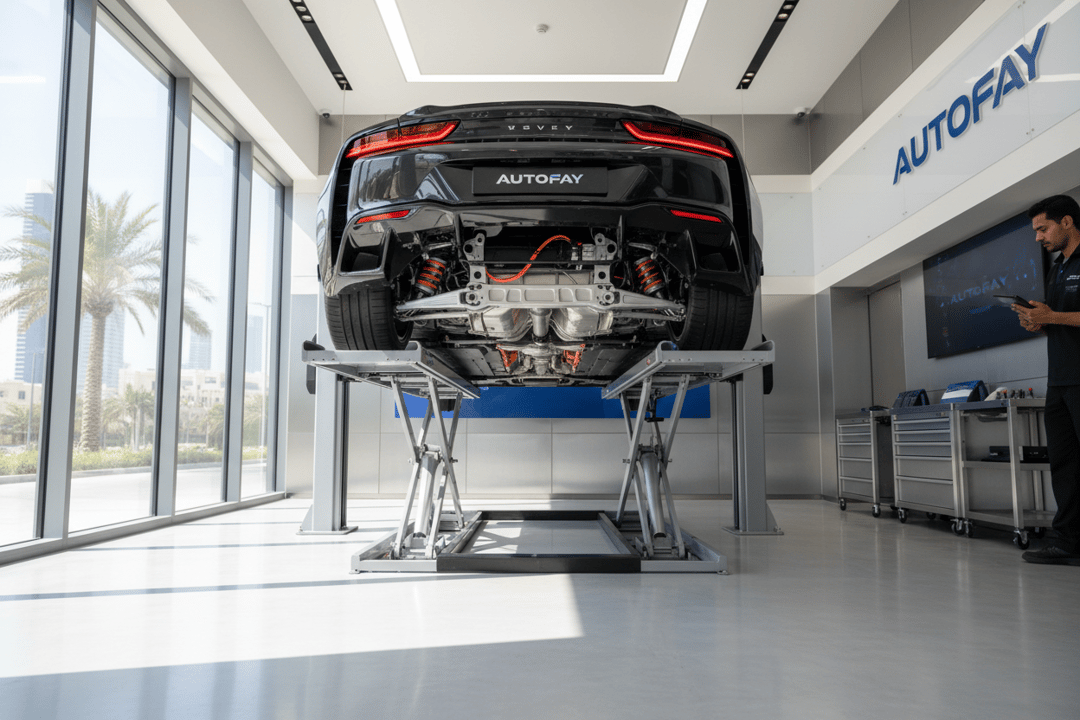
Utilizing a licensed inspection service ensures that every critical component is examined according to industry standards. AutoFay provides a comprehensive on-location inspection service across all seven Emirates. Their reports include HD photos and a detailed checklist of 410+ checkpoints.
Inspectors categorize their findings into specific packages to address different levels of scrutiny. Below is a breakdown of the standard offerings available through AutoFay.
| Package | Price (AED) | Key Inclusions |
|---|---|---|
| Computer Diagnostic | 99 | Full OBD scan for engine, transmission, ABS, and airbag codes. Identifies stored fault history. |
| Body & Computer | 250 | Panel-by-panel paint inspection for originality and accident damage. Includes OBD computer scan. |
| Comprehensive | 399 | Full 410+ checkpoint inspection including frame integrity, engine sound, fluids, suspension, tires, and road test. |
These packages are designed to tailor the inspection to the specific needs of the vehicle and the buyer's budget. The comprehensive package provides the most data, covering the structural rails, floor pans, and mechanical components in detail.
AutoFay inspects 410+ checkpoints with HD photos and PDF report. Book at autofay.ae or call +971542584458




0 Comments
No comments yet. Be the first to share your thoughts!