

The Lexus LC series, comprising the LC 500 and the LC 500h hybrid, represents a design philosophy that prioritizes emotional connection through aesthetics and driving dynamics. As a high-performance grand tourer, this vehicle commands respect but requires a rigorous vetting process before purchase. The complexity of its hybrid powertrain and sophisticated chassis components means that minor faults can escalate into significant expenses if left unaddressed. A pre-purchase inspection is not merely a formality; it is a diagnostic necessity for assessing the long-term viability of a used LC in the UAE market.
Common Technical Issues in the Lexus LC
The Lexus LC utilizes a 2UR-FSE engine or a complex hybrid system that presents specific maintenance challenges. Carbon buildup on intake valves is a frequent issue across V8 engines of this generation, particularly in vehicles with short trip driving habits. This buildup disrupts air-fuel mixture ratios, potentially leading to reduced power and rough idling.
Furthermore, the LC relies on a multi-link rear suspension setup that is sensitive to modification and impact. In the UAE's harsh environment, neglecting bushings and ball joints can lead to handling instability. Inspectors must also scrutinize the hybrid battery pack for age-related degradation, as replacement costs for the nickel-metal hydride modules are substantial.
Electrical System Vulnerabilities
Modern vehicles in this segment are laden with sensors and control units. The Lexus LC is no exception, often exhibiting electrical gremlins related to the infotainment system, parking sensors, or hybrid control modules. A failure in the hybrid inverter, for instance, can disable the vehicle entirely.
When assessing an LC, paying attention to warning lights on the dashboard is critical. While a check engine light might seem minor, on a hybrid vehicle, it could indicate a fault in the regenerative braking system, which affects drivability and safety.
What Professional Inspectors Check
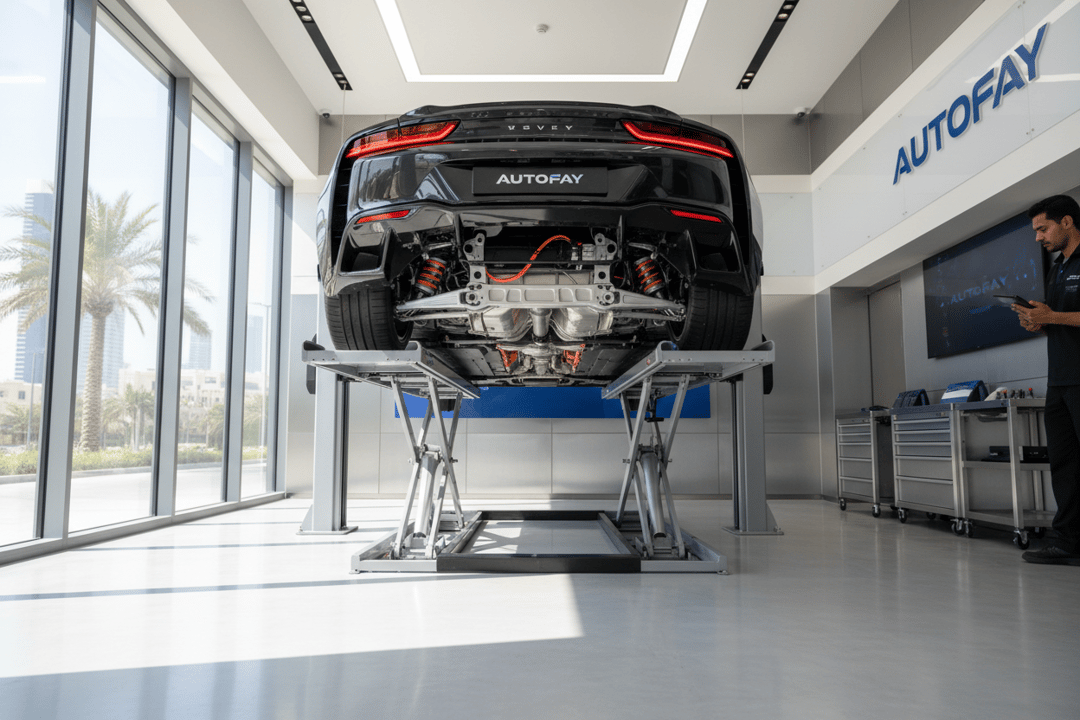
A professional inspection covers a vast array of systems to ensure the vehicle has not been subjected to accident damage or neglect. The process involves a systematic examination of every component, categorizing findings into specific areas of concern.
Body, Paint, and Frame Integrity
Inspectors perform a panel-by-panel analysis to determine if panels are original, repainted, or repaired. This is vital for the LC, where body panels are often bonded rather than bolted. The inspector looks for gaps between panels, which indicate poor alignment following a collision. They also check the frame rails, pillars, and floor pan for damage that might have occurred during a front or rear impact, compromising the structural safety cage.
Engine and Transmission Diagnostics
Under the hood, the inspector listens for abnormal noises from the timing chain tensioners and checks the condition of spark plugs and ignition coils. The transmission, whether automatic or E-CVT in the hybrid, is tested for shifting smoothness and hesitation. Smoke from the exhaust tailpipe reveals the health of piston rings and valve seals; blue smoke indicates oil burning, while white smoke suggests coolant leaks.
Brakes, Suspension, and Fluids
Brake pads are rated by percentage of remaining material, and rotors are checked for warping or scoring. Suspension components, including control arms and shocks, are inspected for play or leaks. Fluids are analyzed for color and smell; a burnt transmission fluid smell indicates internal overheating and imminent transmission failure.
The Importance of OBD Scanning
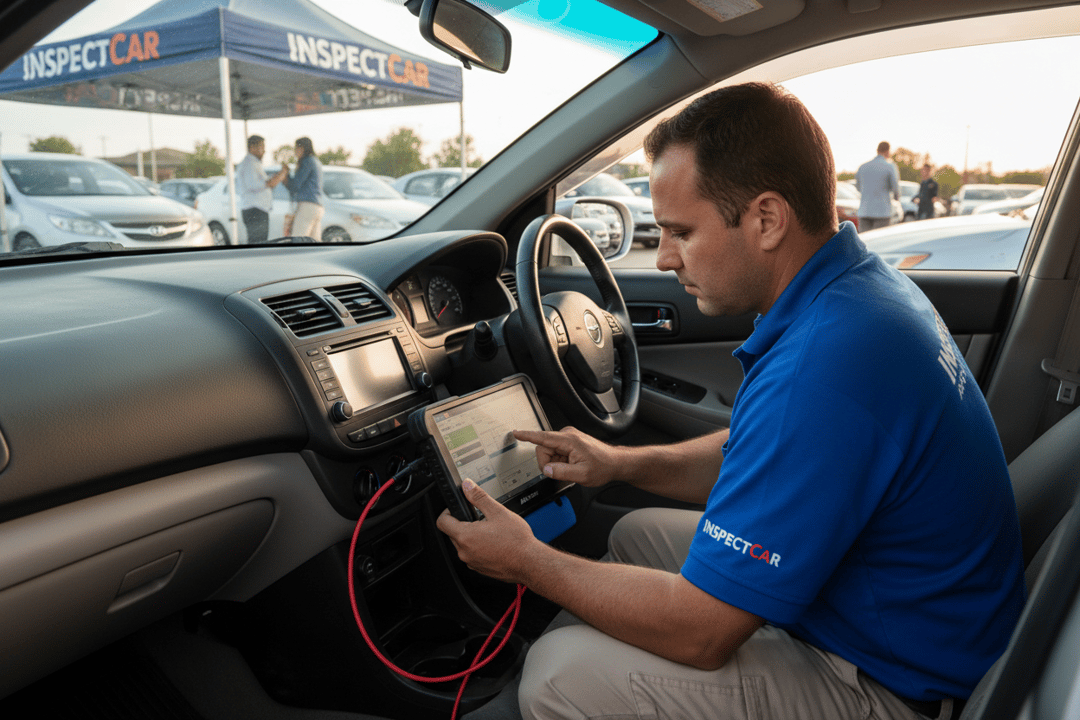
Visual inspection alone cannot reveal the internal faults hidden within the vehicle's computer. An On-Board Diagnostics (OBD) scan connects to the car's computer to read error codes stored in the Engine, Transmission, ABS, and Airbag modules.
- Engine Codes: Check for lean or rich fuel mixture errors, misfires, or oxygen sensor failures.
- Transmission Codes: Identify faults in the torque converter or shift solenoids.
- ABS and Airbag: Ensure safety systems are functioning and not reporting phantom faults.
For the Lexus LC, ensuring there are no pending codes related to the hybrid system is non-negotiable, as these systems interact closely with the engine management.
Red Flags Specific to the Lexus LC
Several indicators should immediately raise a red flag for potential buyers. One major warning sign is uneven tire wear, particularly feathering or cupping, which suggests alignment issues or worn suspension components. Another is a high-pitched whine when accelerating, often a sign of failing differential bearings or worn wheel bearings.
Inspectors also look for oil leaks around the camshaft phasers or valve cover gaskets, as these are common failure points. If the hybrid system is slow to engage or exhibits a hesitation during acceleration, it points to a failing hybrid battery or inverter.
Comprehensive Inspection Packages in the UAE
Given the complexity of the Lexus LC, a comprehensive evaluation is recommended. Professional inspection services in the UAE offer structured packages designed to cover specific needs without unnecessary expense.
| Package | Price (AED) | Inclusions |
|---|---|---|
| Computer Diagnostic | 99 | OBD code reading for engine, transmission, ABS, and airbag modules. |
| Body & Computer | 250 | Panel-by-panel paint analysis, rust check, and computer diagnostics. |
| Comprehensive | 399 | 410+ checkpoints covering body, frame, engine, suspension, brakes, tires, fluids, and road test. |
These services are available with the inspector coming to the vehicle across all seven Emirates. The comprehensive package provides the most thorough evaluation, documenting 410+ checkpoints with HD photos and a detailed PDF report.
Road Test and Fluid Analysis
The final phase of any inspection involves a road test to evaluate the vehicle in real-world conditions. For the Lexus LC, the inspector accelerates to test throttle response and hybrid system engagement. They listen for abnormal noises during cornering and braking to assess the stability control systems.
Fluid analysis involves checking the levels and condition of engine oil, transmission fluid, coolant, and brake fluid. degraded brake fluid, for example, reduces the boiling point of the fluid, leading to brake fade during heavy braking—a critical safety consideration for a performance car.
AutoFay inspects 410+ checkpoints with HD photos and PDF report. Book at autofay.ae or call +971542584458


0 Comments
No comments yet. Be the first to share your thoughts!