


The Lexus LC occupies a unique position in the UAE automotive market as a halo vehicle that combines grand touring aesthetics with advanced hybrid technology. While the design and driving dynamics initially attract buyers, the technical complexity of the 3.5-liter V6 hybrid powertrain presents specific risks in the region's extreme climate. High ambient temperatures accelerate the degradation of fluids, electrical components, and rubber bushings, often exposing latent factory defects in pre-owned models. A thorough inspection must go beyond visual appeal to uncover the mechanical realities hidden beneath the carbon-fiber accents and chrome trim. At AutoFay, licensed vehicle inspectors assess 410+ checkpoints across 25 categories to ensure a vehicle meets safety and operational standards before a sale is finalized. The following analysis details the critical areas of concern when purchasing a used Lexus LC in the United Arab Emirates.
Engine Complex and Hybrid System Health
The 3.5-liter V6 engine in the LC is renowned for its smooth power delivery, yet it relies on a complex timing chain system and electric motor integration that are prone to specific failure modes in the long term. One of the primary concerns during an inspection is the condition of the timing chain and tensioners; if the tensioner fails, the chain can stretch or jump time, leading to catastrophic engine failure. Inspectors must listen for abnormal metallic rattling sounds during startup, specifically when the engine is cold, as this indicates a worn timing chain assembly. The hybrid system components, including the inverter and battery cooling system, are also critical. In the UAE heat, the cooling efficiency of the hybrid battery is paramount; if the cooling fans or the liquid cooling loop is compromised, the battery management system will reduce power output to prevent thermal runaway, significantly diminishing the vehicle's performance capabilities.
- Valve Cover Gasket Weeping: High temperatures cause rubber gaskets to harden and shrink. Oil seepage from valve covers onto hot exhaust manifolds creates an immediate fire hazard and obscures the engine bay for visual inspection.
- Hybrid Battery Cell Degradation: Continuous exposure to high ambient temperatures accelerates the chemical aging of hybrid cells. This results in reduced electric-only range and the vehicle defaulting to gasoline mode prematurely.
- Fluid Contamination: Engine oil can break down faster under high loads and heat, leading to sludge formation. Dark, gritty oil on the dipstick or the oil filter cap indicates internal engine stress.
Transmission Behavior and Drivetrain Wear
The 8-speed automatic transmission in the Lexus LC couples the gasoline engine with the electric motor to optimize efficiency, but this electronic coupling can become erratic if sensor data is misinterpreted by the Transmission Control Module (TCM). A common issue detected during a road test is hesitation or a "shudder" felt during acceleration from a standstill or at highway speeds. This vibration often stems from torque converter issues or worn internal clutch packs exacerbated by the high temperatures generated during stop-and-go traffic in major emirates. Additionally, the rear differential requires specific attention; the limited-slip differential in the LC is prone to fluid overheating if the cooler lines are kinked or if the fluid is not changed at the recommended intervals. Without proper cooling, the differential fluid can boil, resulting in a loss of traction control and potential drivetrain damage.
Suspension and Chassis Integrity
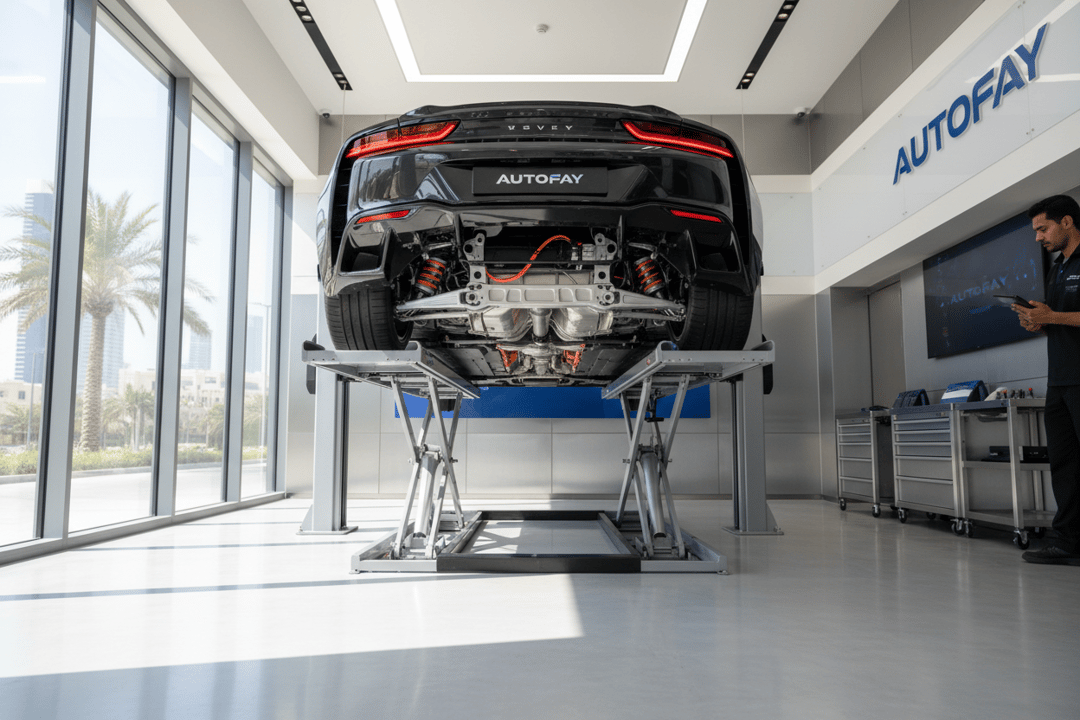
The chassis of the Lexus LC utilizes advanced suspension geometry and carbon-fiber reinforced plastic (CFRP) components to achieve a low center of gravity. However, these lightweight materials are more susceptible to impact damage than traditional steel, and the suspension bushings are highly sensitive to the intense UAE sun. Over time, the UV exposure causes rubber bushings to become brittle and crack, leading to a loss of ride comfort and increased cabin noise. Inspectors must look for signs of "bottoming out" over speed bumps, which indicates worn struts or shock absorbers that are no longer controlling the vehicle's rebound. Furthermore, the carbon fiber components on the splitter or underbody are prone to stress fractures if the vehicle has previously scraped against curbs or speed bumps. A compromised splitter not only affects aesthetics but can also disrupt aerodynamic airflow, creating instability at high speeds.
Electrical Vulnerabilities in Humid and Hot Climates
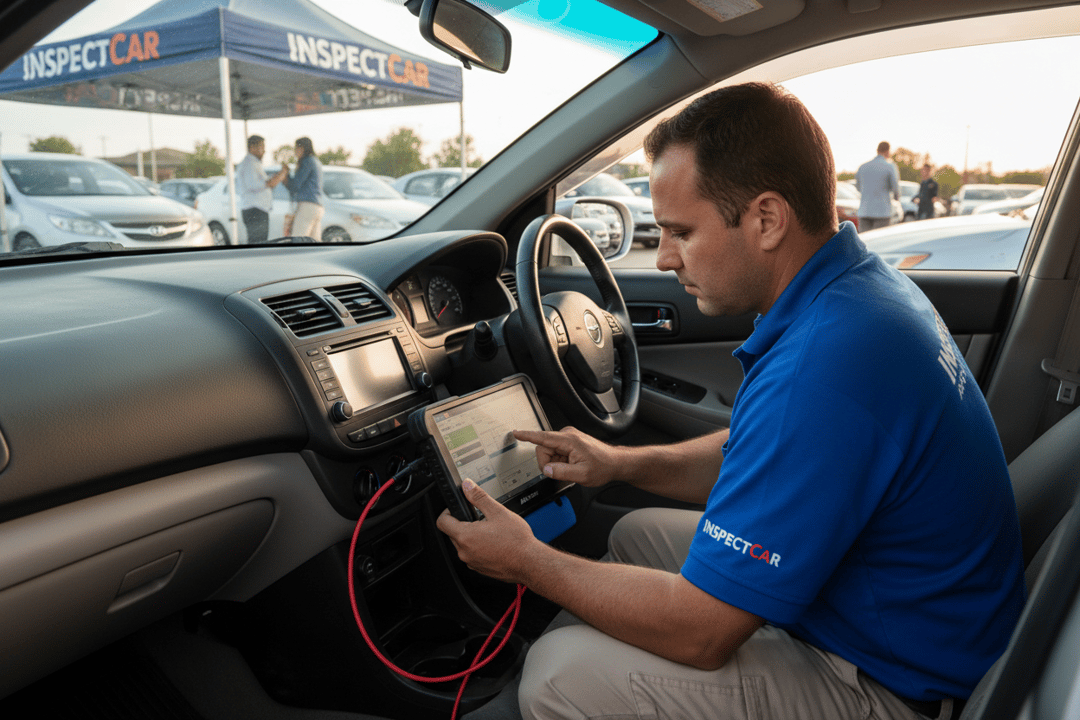
The sophisticated infotainment system and complex hybrid wiring harnesses are the most sensitive elements in the Lexus LC, particularly in the UAE's high-humidity coastal environments. Salt and humidity can infiltrate electrical connectors, leading to corrosion and intermittent signal loss. Owners frequently report issues with the navigation system, touchscreens freezing, or the head-up display failing to calibrate correctly. The hybrid system's high-voltage cables are also a focus; heat can cause the insulation to expand and contract, eventually leading to pinched or frayed wiring that triggers fault codes. If the vehicle enters limp mode due to an electrical fault, the repair requires specialized diagnostic equipment to pinpoint the specific sensor or module failure. Without a proper scan, this issue can persist indefinitely, rendering the vehicle undrivable in certain modes.
Assessing Vehicle Condition: AutoFay Inspection Packages
Determining the health of a high-performance hybrid like the Lexus LC requires a tiered approach to inspection, depending on the perceived risk and budget constraints. AutoFay provides three distinct levels of service designed to uncover the specific issues outlined above, from basic code reading to a comprehensive physical examination.
| Inspection Package | Price (AED) | Key Checkpoints Covered |
|---|---|---|
| Computer Diagnostic | 99 | Scans engine, transmission, ABS, and airbag modules for stored fault codes; identifies sensor malfunctions and check engine lights. |
| Body & Computer | 250 | Includes panel-by-panel paint analysis, frame rail inspection, and full computer diagnostic scan to detect mechanical faults. |
| Comprehensive | 399 | Full on-location inspection across 25 categories: brakes, suspension, tires, fluids, road test, and structural integrity. |
Fluids and Cooling System Assessment
The longevity of the engine and transmission in the Lexus LC is directly tied to the condition of its fluids. Coolant must be tested for pH balance and conductivity to ensure it has not become acidic, which can eat away at the radiator core and heater matrix. In the UAE climate, coolant degradation happens rapidly; a failure to maintain this system results in overheating and potential head gasket failure. Brake fluid is another critical fluid; it absorbs moisture over time, lowering its boiling point. In a vehicle with the LC's performance capabilities, old brake fluid can cause the brakes to fade during hard stops, leading to reduced stopping power and increased brake disc wear.
When purchasing a pre-owned Lexus LC, relying solely on a test drive is insufficient given the vehicle's complex hybrid architecture and heat-sensitive components. Professional inspection is the only method to validate the mechanical honesty of the seller. AutoFay inspects 410+ checkpoints with HD photos and PDF report. Book at autofay.ae or call +971542584458.



0 Comments
No comments yet. Be the first to share your thoughts!